| Types of negotiations:Distributive:One person gets more than anotherIntegrative:Can be used when other party is willing to problem solveThere is trustLong term relationship is importantA good agreement is better than a quick or bad oneHow To:Create a free flow of informationAttempt to understand the other persons real needs and objectivesEmphasize commonalities between the partiesSearch for solutions that meets both goals and objectives | Conventional Negotiations* Focus on winning* Assert positions/personal preferences* Concede stubbornly* Seek arbitrary compromises* Engage in threats, bluffs or similar tactics |
| 4 principles of effective negotiation* Separate the people from the problemListen activelyAcknowledge perceptions and emotionsSpeak about yourself, not them* Focus on interests, not positionsInterests:Often more than oneCan changeOften stem from deeply rooted human needs or valuesTypes of interests:Substantive: How people describe the issueRelational: How people think they should be treated or acknowledgedProcedural: How people think issues should be addressed | * Invent options for mutual gainAvoid assuming there is a single solutionThink creativelySeparate brainstorming from evaluating optionsInvent options by redefining the problem:* Compromise* Logroll: give up what you want to get what you need* Expand/Modify the pie: increase the mutual gain by making the pie bigger, but still having the same percentage share* Find a bridge solution:Bogey technique inflate importance of something NibbleSnowballUltimatumAnchoringHypothetical* Insist on objective criteriaFair standardsMarket value, best practices, industry averages, equal treatment etc.Fair proceduresTake turns, last best offers |
| Evaluate and Select AlternativesNarrow the range of solution optionsEvaluate based on quality, objective standards, acceptabilityAgree to evaluation criteria in advanceBe alert to the influence of intangibles!!! | Develop a BATNAWhat would you do if you fail to reach an agreementConvert the most promising options into practical choicesIf an offer is better than the BATNA, consider selecting it, otherwise consider rejecting it. |
| Framing* Represent the subjective mechanism through which people make sense out of situations* Lead people to pursue or avoid subsequent actions* Focus, shape and organize the world around us* Make sense of complex realities* Define a person, event or process | Reframing an offer:Ask why did you select that number?What if we agree to your offer, but you cover a warranty and service? |
| Cognitive Biases* Irrational escalation of commitmentCommit to a course of action even when that commitment is irrational* Anchoring and adjustmentStead fastThe anchor might be based on faulty of incomplete info* Issue framing and riskFraming can lead people to seek, avoid or be neutral about risk* Availability of informationInformation presentation can sway choices* OverconfidenceTendency to believe that their ability to be correct is greater than it actually is | The law of small numbersThe tendency of people to draw conclusions from a small sampleSelf serving biasEndowment effectThe tendency to overvalue something you own or believe you possesReactive DevaluationDevaluing the other parties concessions simply because they made them |
Author: paschmann
Memorable Ride: Kitsuma and Heartbreak
Jon locked the keys in the car 🙂 This was a massive ride for Jeremy since it was right after his ACL surgery!


Concept 2 Rower
Due to COVID and not going to the gym, I decided to buy a Concept 2 rower 🙂


Paddle boarding/SUP in a flowing river
From some first hand experience, it seems like paddle boarding in a river flowing at more than 1,000 CFS (Cubic feet per Second) is about my limit.
https://snoflo.org/report/flow/north-carolina/south-fork-catawba-river-at-lowell/

Bookmarks: Marketing for Engineers
Joscha Bach: Artificial Consciousness and the Nature of Reality
GE Healthcare: Design Thinking in the NICU
I have been exposed to design thinking in a variety of ways over the past 13 odd years. From conferences, startups and projects – I have used the framework to develop and build services, software and hardware which incorporates one of the most important elements in the design: empathy.
Empathy ensures that the designers, developers and creators of these products “walk a mile in their shoes” and put the users at the center of the development lifecycle rather than technology, limitations or costs.
This TedX talk is a nice example of empathy in something critical that all of us can in some shape or form relate to, which is being born. The video centers around the design thinking process which went into the design and development of Neonatal Intensive Care Units and the equipment which nurses and parents have to deal with when a child is born prematurely. It is a great example of how empathy was an integral part of the process from start to finish.
Memorable Runs: The Other Epic
Attempt 1:
First time attempting this run and failed pretty badly, called Kate from McAdenville to come and pick me up 🙂


Attempt 2:
The second time was a little faster and at least completed it 🙂 This was probably closer to 30+ miles due to the trails in Poston.

Attempt 3:
The 3rd time was probably one my most solid runs epic run … Rocky Branch + Poston – to the top of Spencer Mountain and back. 4.5 hours … 26+++ miles, 2,200ft climbing.


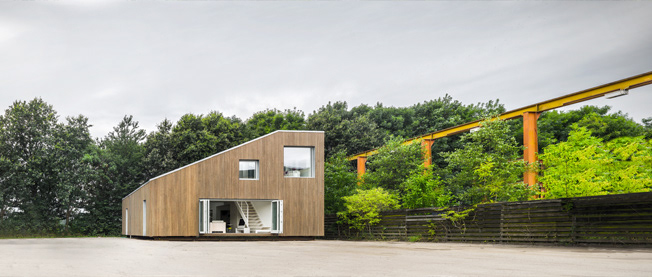
Inspiration: Container Home
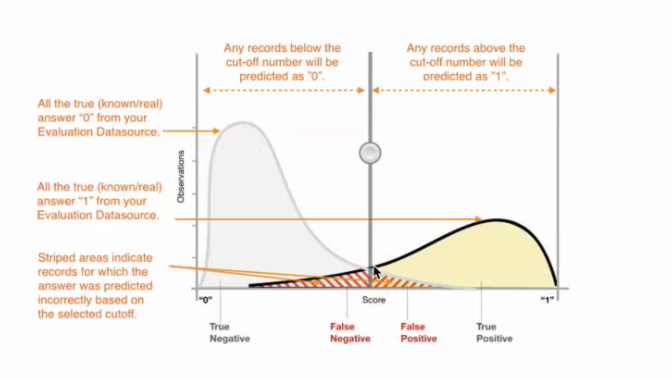
Binary Classification
You must be logged in to post a comment.