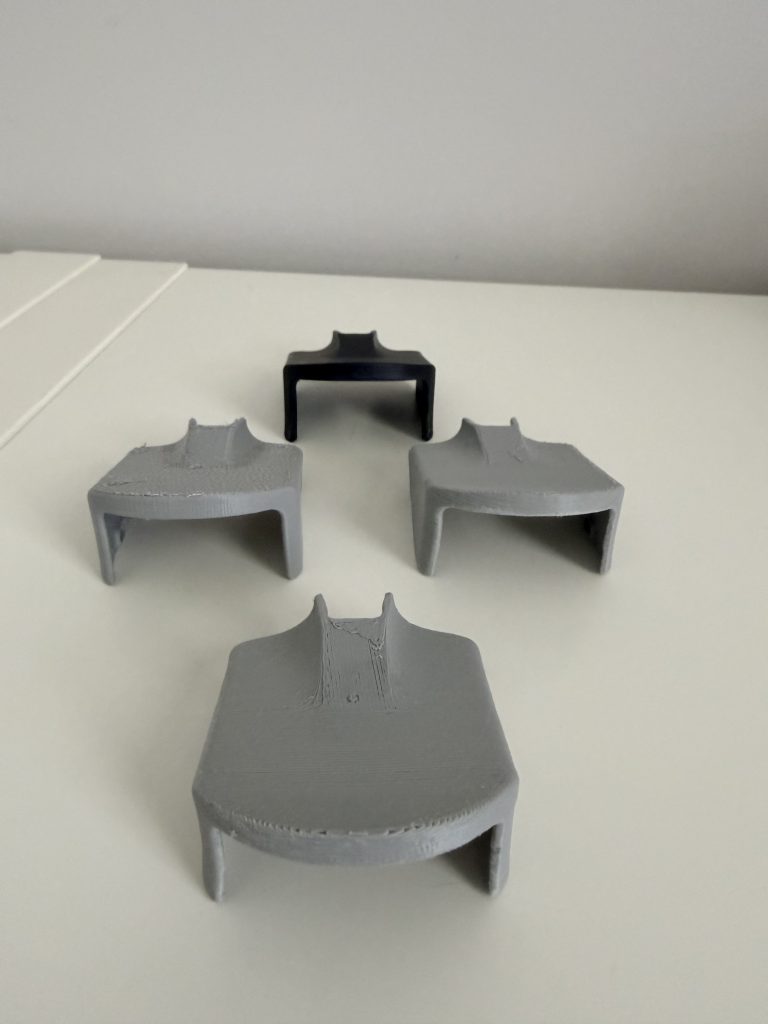
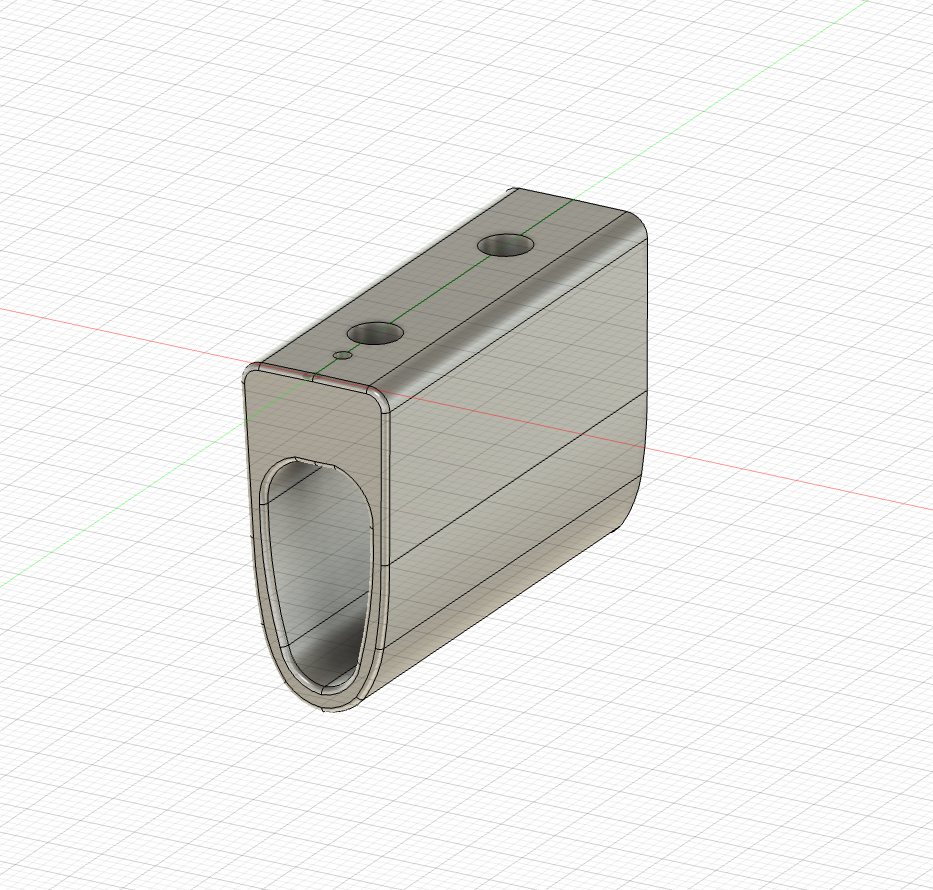
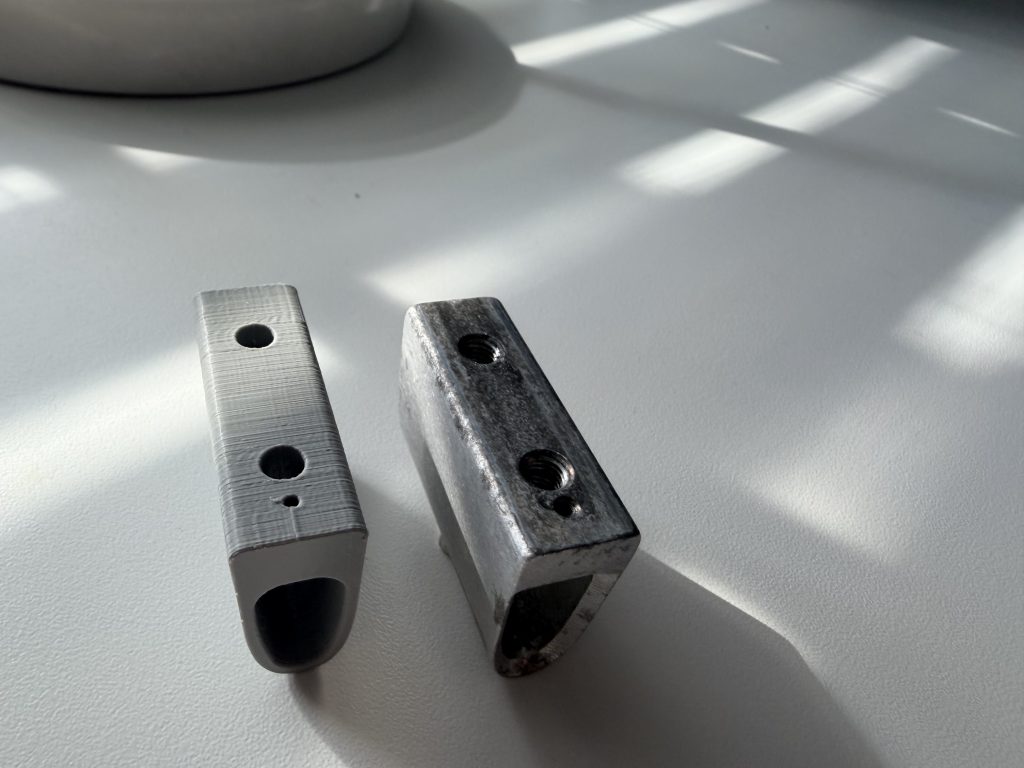
Fun quick project to CNC a small front derailleur cover for the Speedmax out of 1mm Carbon Fiber, the current ones are from aluminum and not particular pretty.


Personal collective of ideas, thoughts and notes
Fun quick project to CNC a small front derailleur cover for the Speedmax out of 1mm Carbon Fiber, the current ones are from aluminum and not particular pretty.


I’ve been a BestBikeSplit user for years now. It’s been great for predicting race times and power requirements beforehand, and for analyzing my CdA after races. But at $20 per month, the cost started to feel steep for how often I actually used it.
That’s when I decided to create my own version using Claude. The project works surprisingly well, with results that match up closely with other paid subscription tools.


Check it out on Github here:


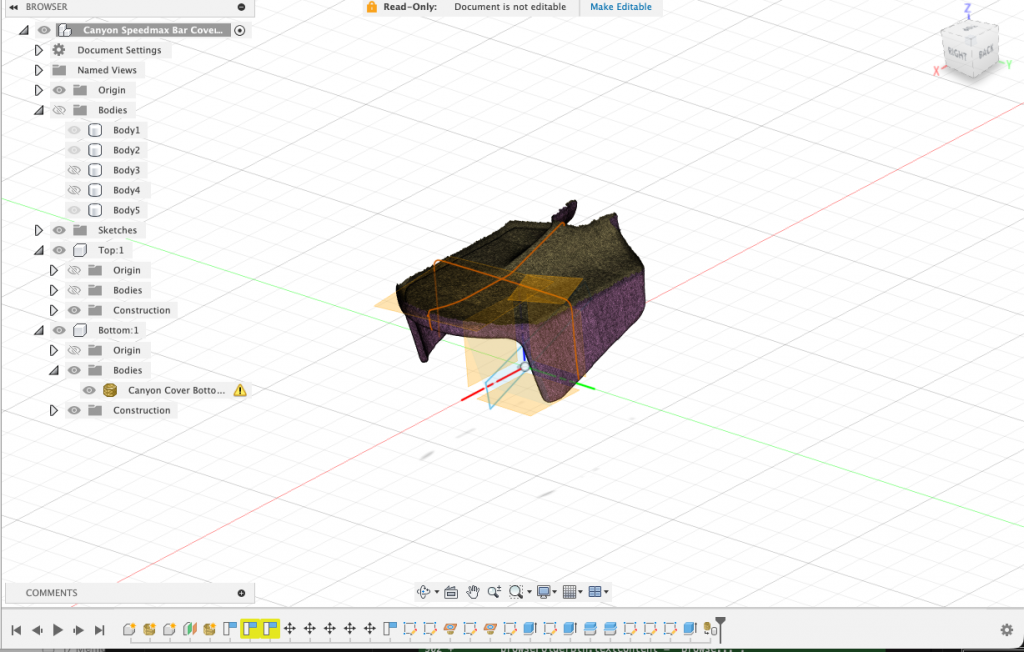
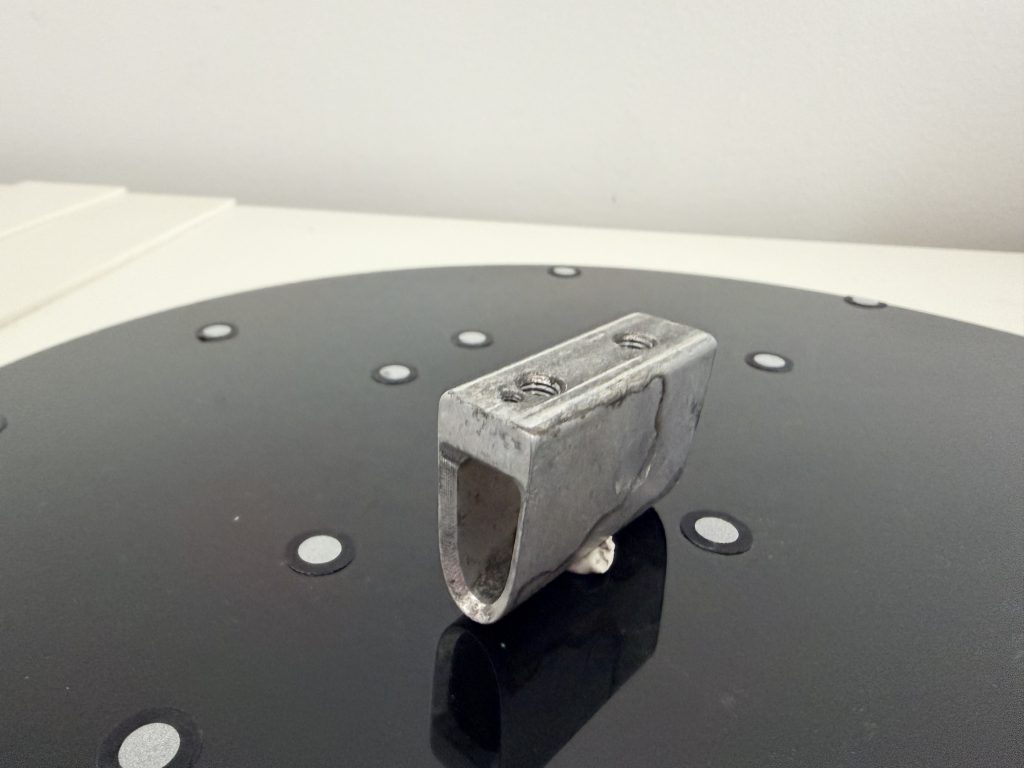
3D scanner has intrigued me for a couple of years. The lure of being able to quickly and easily recreate something from a physical scan seems like the holy grail of self sufficiency and reducing your reliance on manufacturing or availability. 1.) With a couple of bike related projects that I want to tackle, 2.) the prices of the devices falling easily with the reach of consumers and 3.) the reasonable accuracy you get thanks to the underlying technology – it seems like it was the right time to get started.
Firstly – the device has been awesome, doing exactly what I anticipated and expected. Albeit a slightly cumbersome and slow learning process to understand the nuances of these devices. It is not the technology but rather the workflows involved to turn a “simple” scan, into a “simple” digital representation. There are a variety of steps in different tools and software, and the reality is that, as always, the devil is in the details.
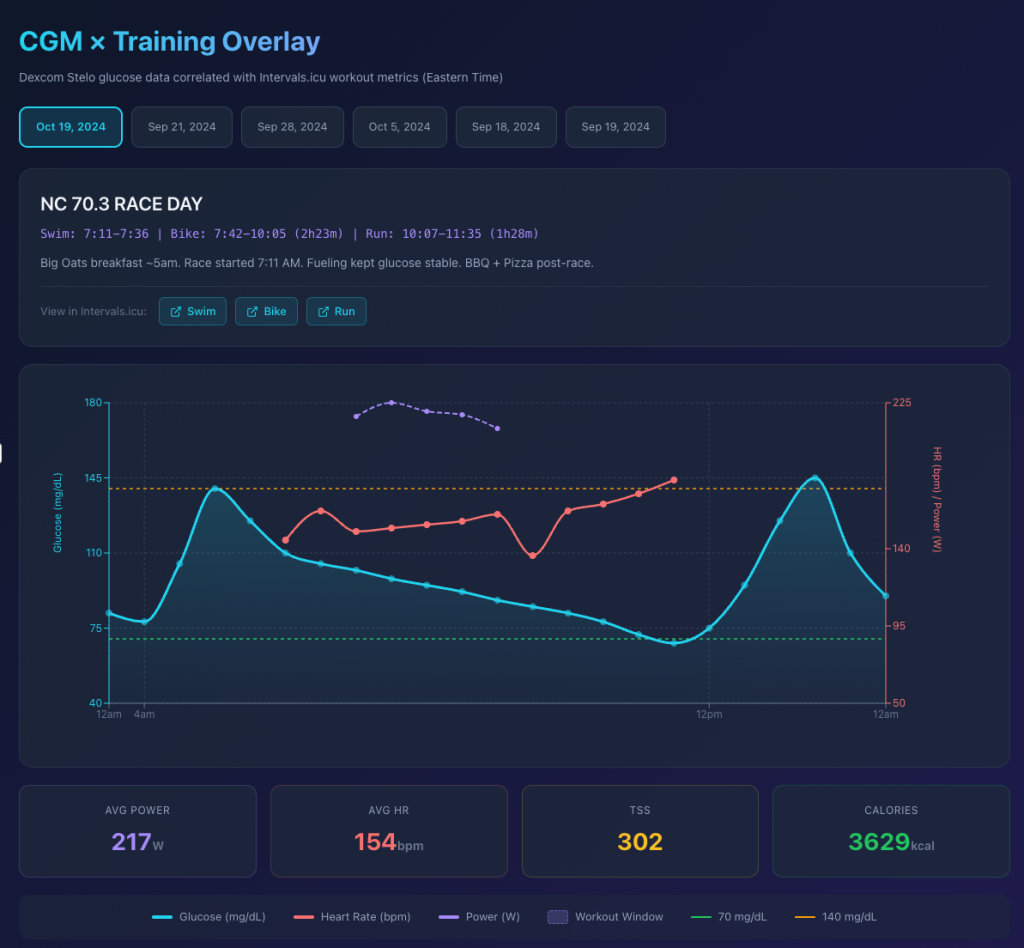
4 years in a row! A pretty solid training block going into this race despite some last minute travel to Germany for work.
| 2025 NC HIM Goal Plan vs Actuals |
|---|
| – Swim: 26:00 (Actual: 25:55, 140th OA) – T1: 5:00 (Actual: 4:30) – Bike: 2:10 (235W, 245Nor AVG < 160BPM) (Actual: 2:19, 150HR, 234W Avg, 239WNor, 18th OA) – T2: 2:00 (Actual: 1:30) – Run: 1:29 (6:35 @ 168bpm) (Actual: 1:39, 8W, 159HR, 60th OA) – Finish: 04:20:00 – Result: #3 AG, 20 OA, AG Winner 4:15?, OA Winner 3:59? |
| – Training Load: – CTL: 75 → 98 (Peak) 99 (Race) – Bike Load: 46 (Peak) 45 (Race) – Run Load: 35 (Peak) 36 (Race) – Biggest Week: 13.1 Hours, 864 TSS – Recovery Week: ~9 hours – Avg Week: ~12 hours |


An interesting paper which outlines a model for quantifying the concept of AGI, which is useful in determining the advancement of AI solutions.

Welcome to the family!


Bad decisions made with good intentions, are still bad decisions.
Jim Collins

Pretty common to loose bottles on bumpy rides during triathlons, so cloned some of these bottle savers and 3D printed a couple for myself.


The Peter Principle is a management concept formulated by Dr. Laurence J. Peter in his 1969 book “The Peter Principle: Why Things Always Go Wrong.”
The principle states: “In a hierarchy, every employee tends to rise to their level of incompetence.”
Employees who perform well in their current role get promoted
They continue getting promoted as long as they perform well
Eventually, they reach a position where they’re no longer competent
Once incompetent, they stop getting promoted (they’ve “plateaued”)
They remain in that position, performing poorly
This means that over time, every position in a hierarchy tends to be filled by someone incompetent to do that job. Peter observed: “In time, every post tends to be occupied by an employee who is incompetent to carry out its duties.”
And therefore: “Work is accomplished by those employees who have not yet reached their level of incompetence.”
The key insight is that competence at one level doesn’t guarantee competence at the next level. For example:
You must be logged in to post a comment.