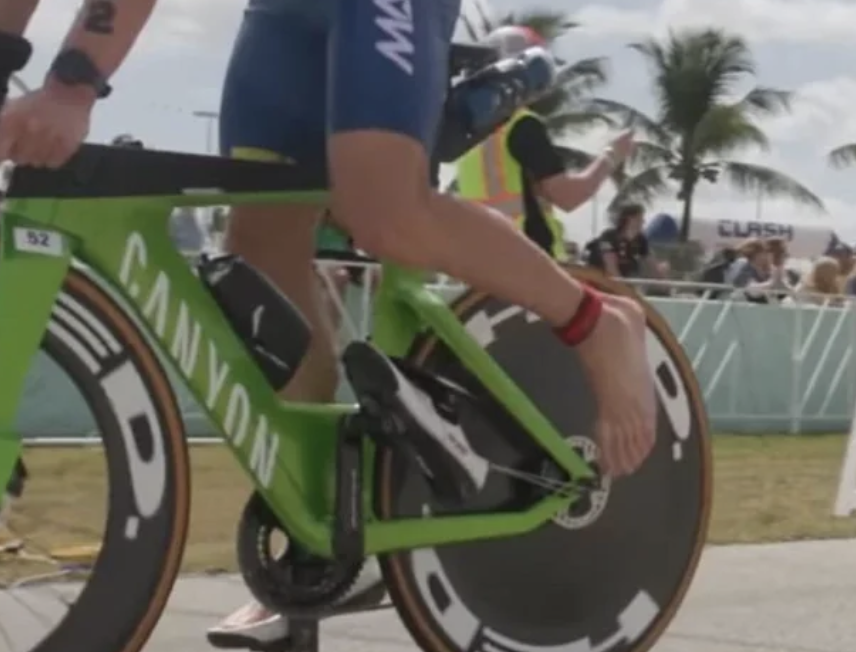
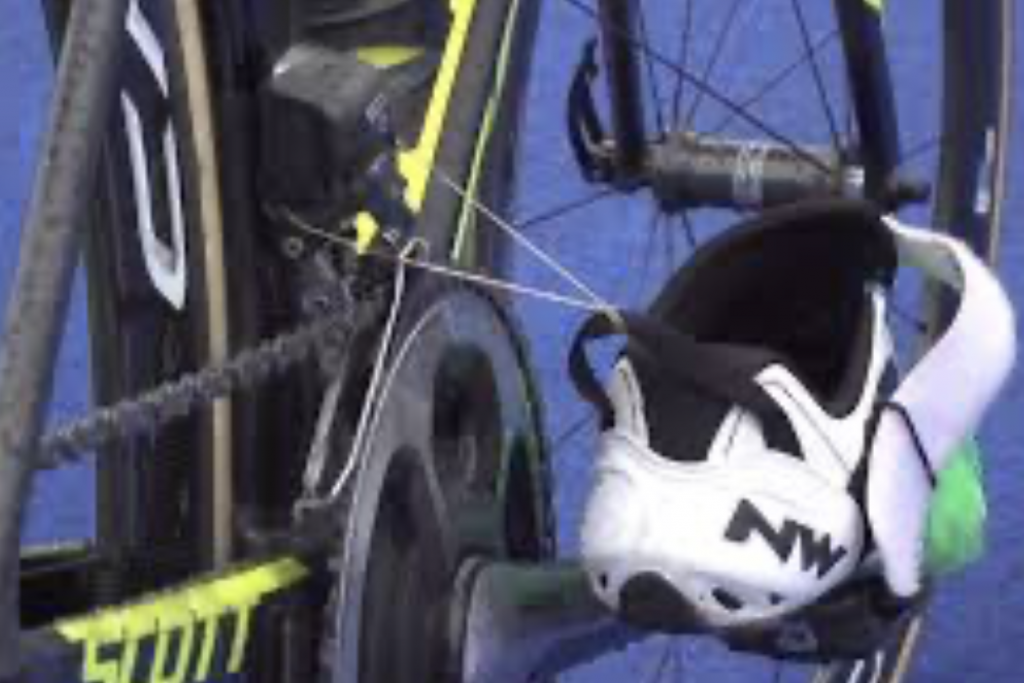
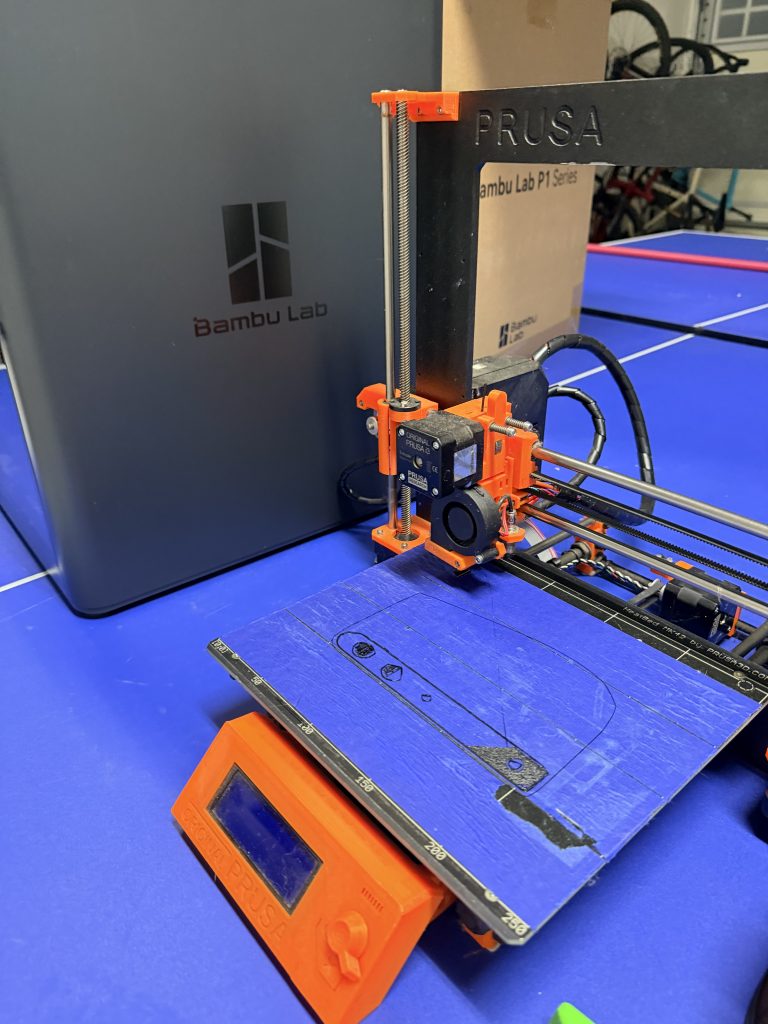
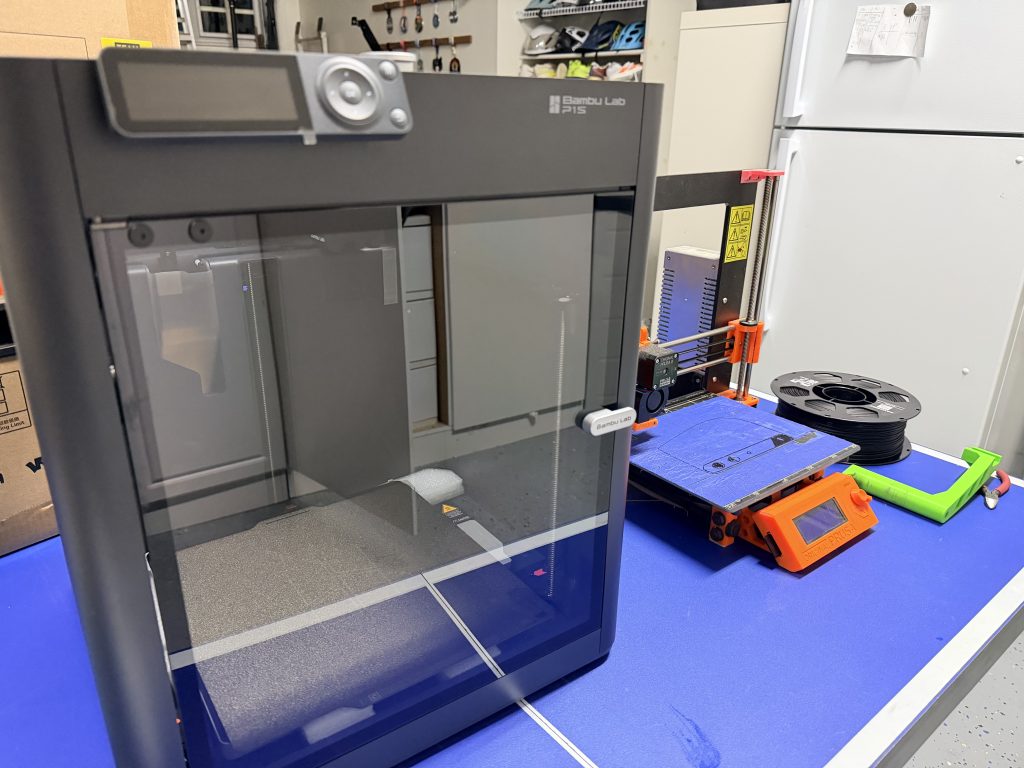
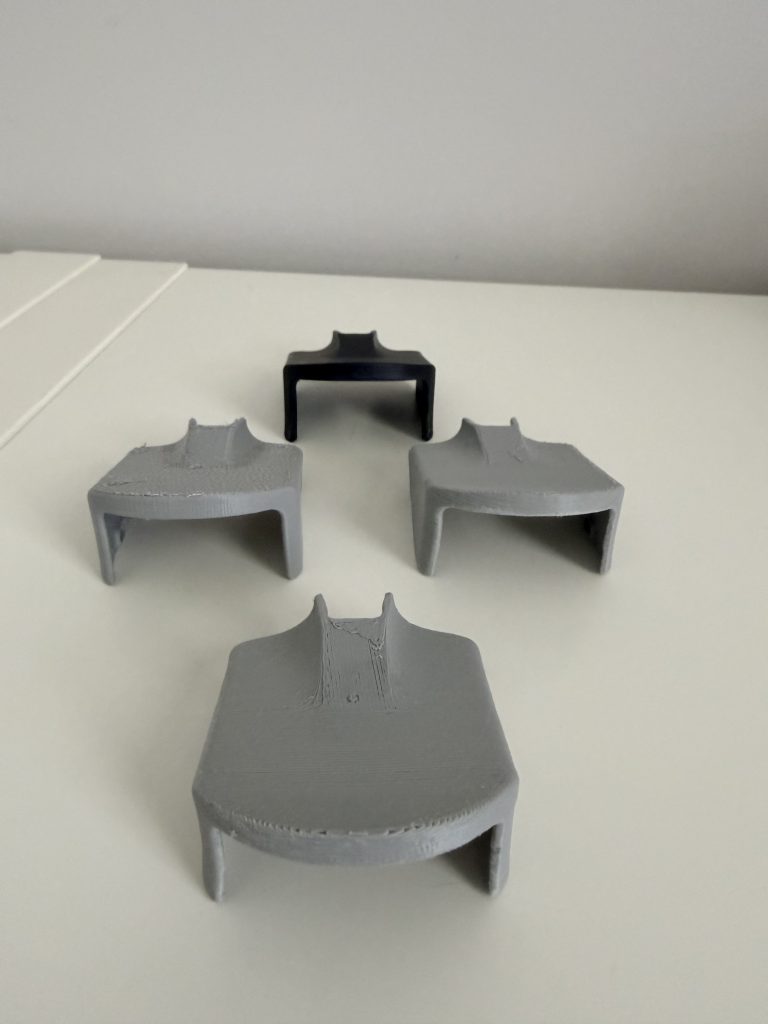
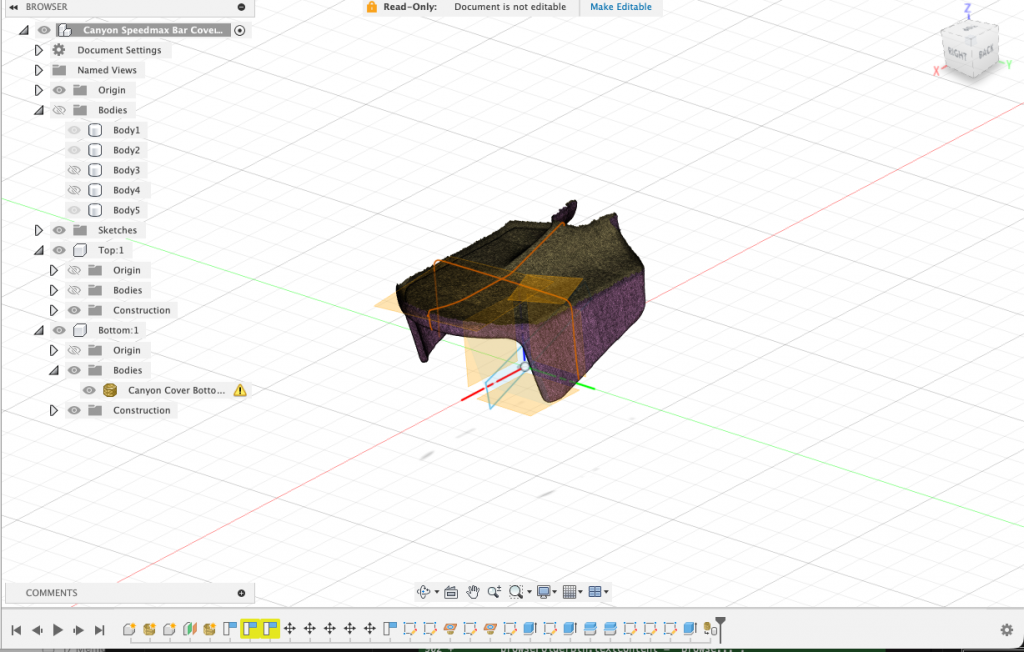
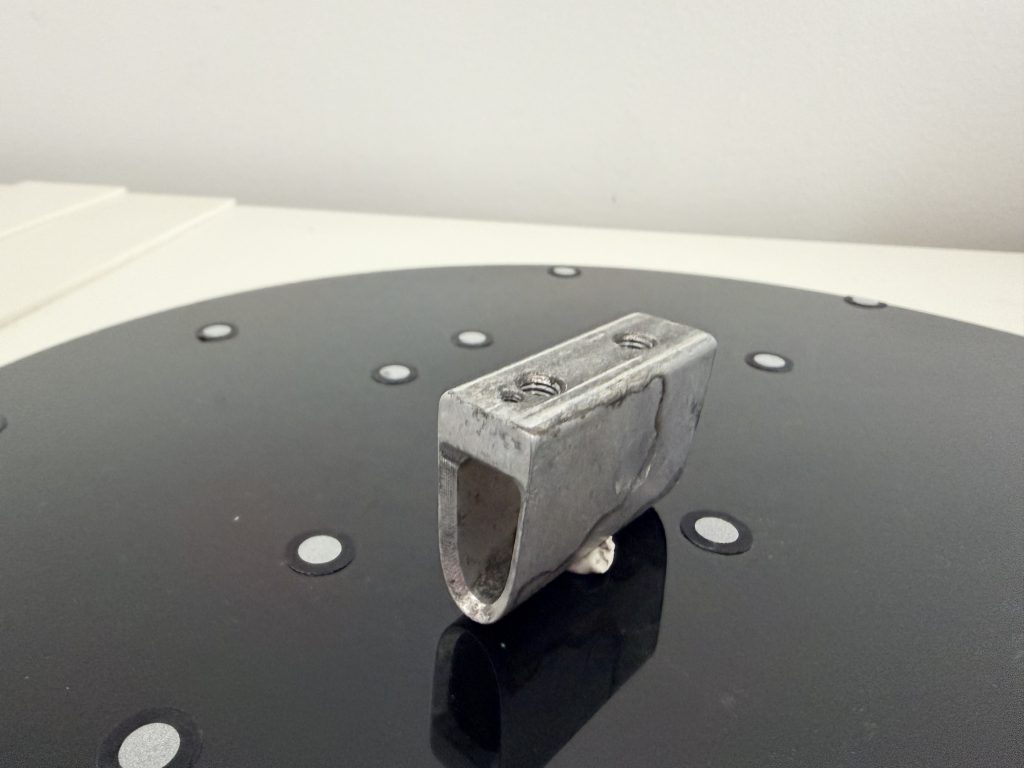
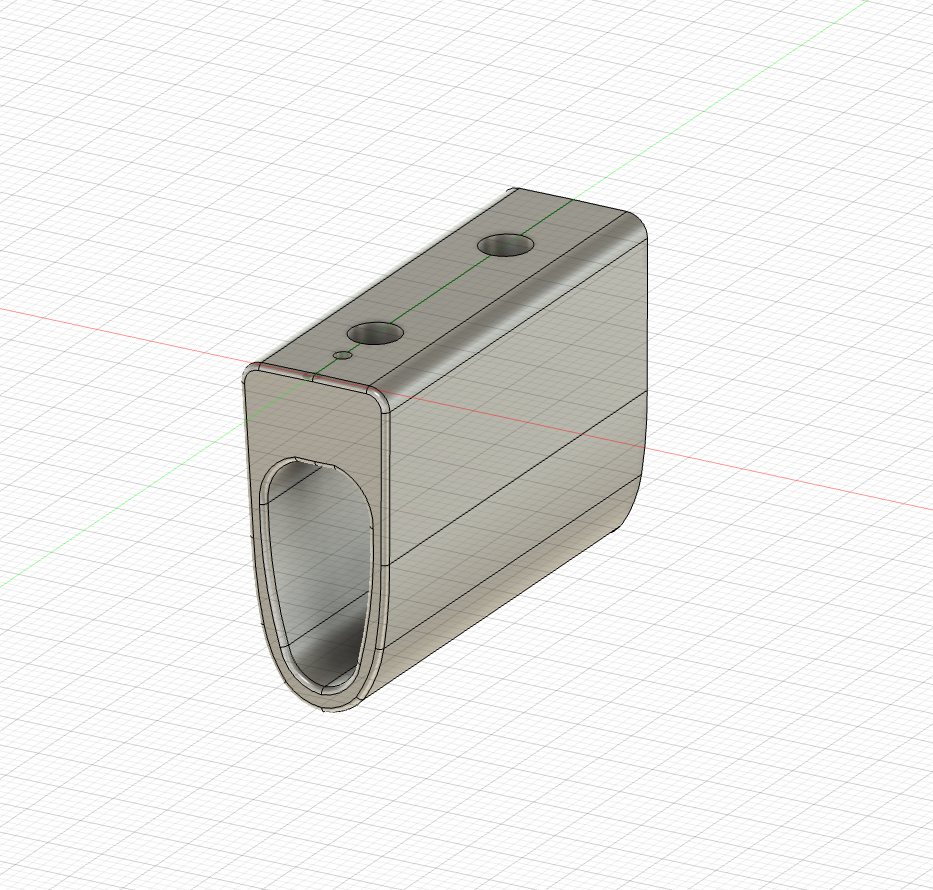
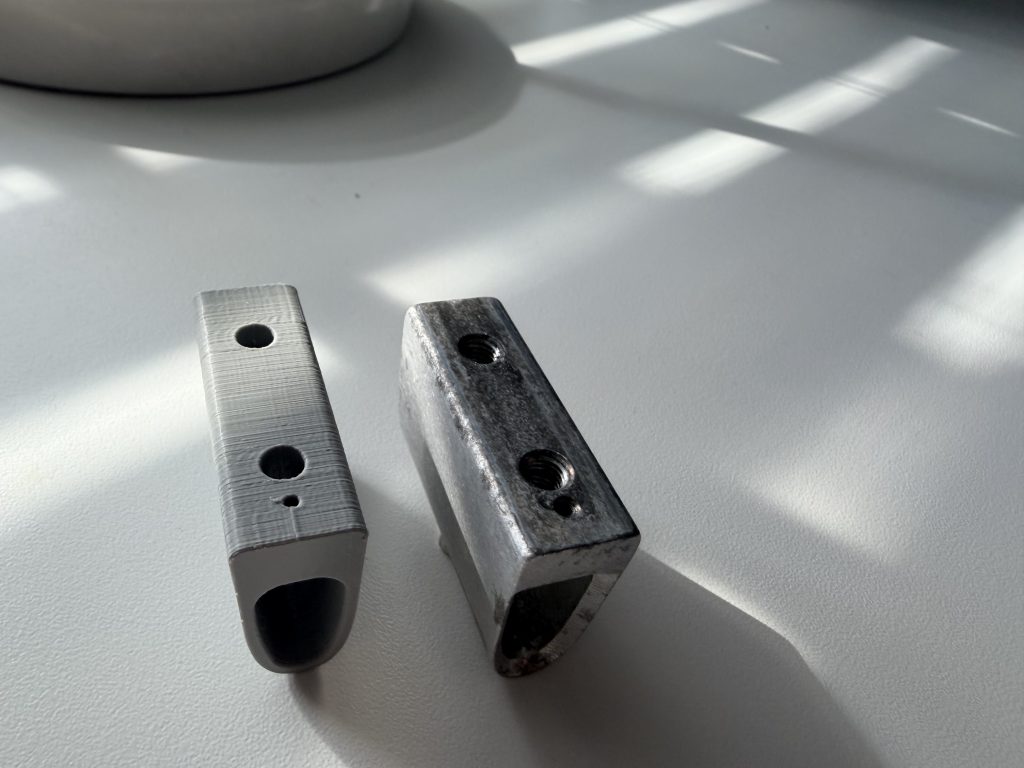
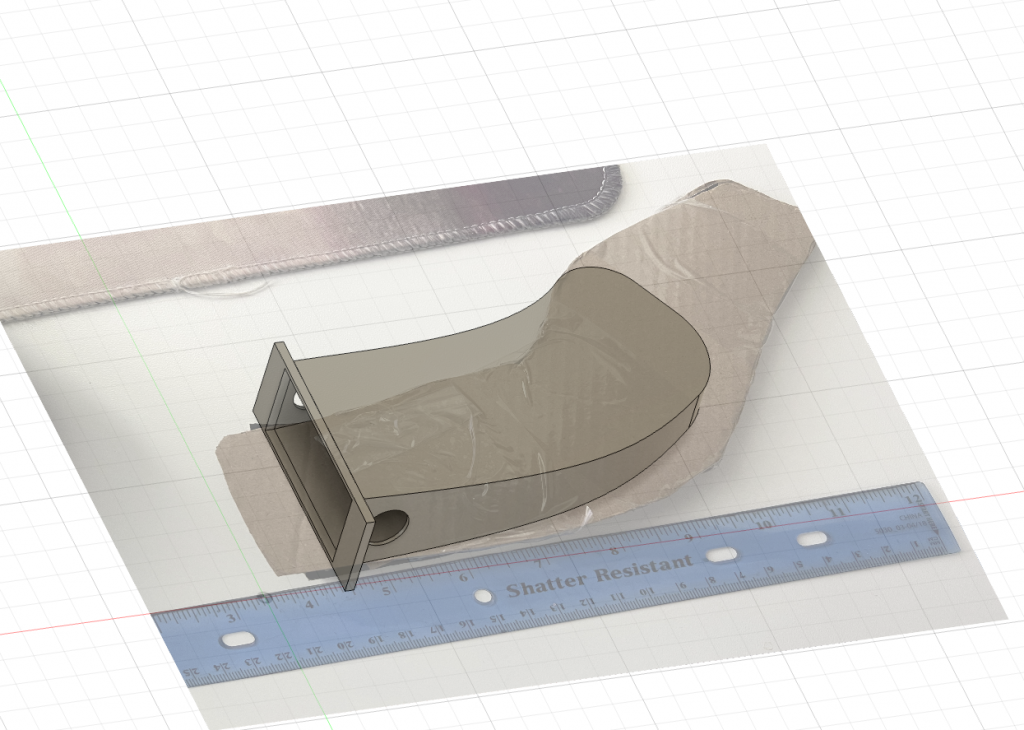
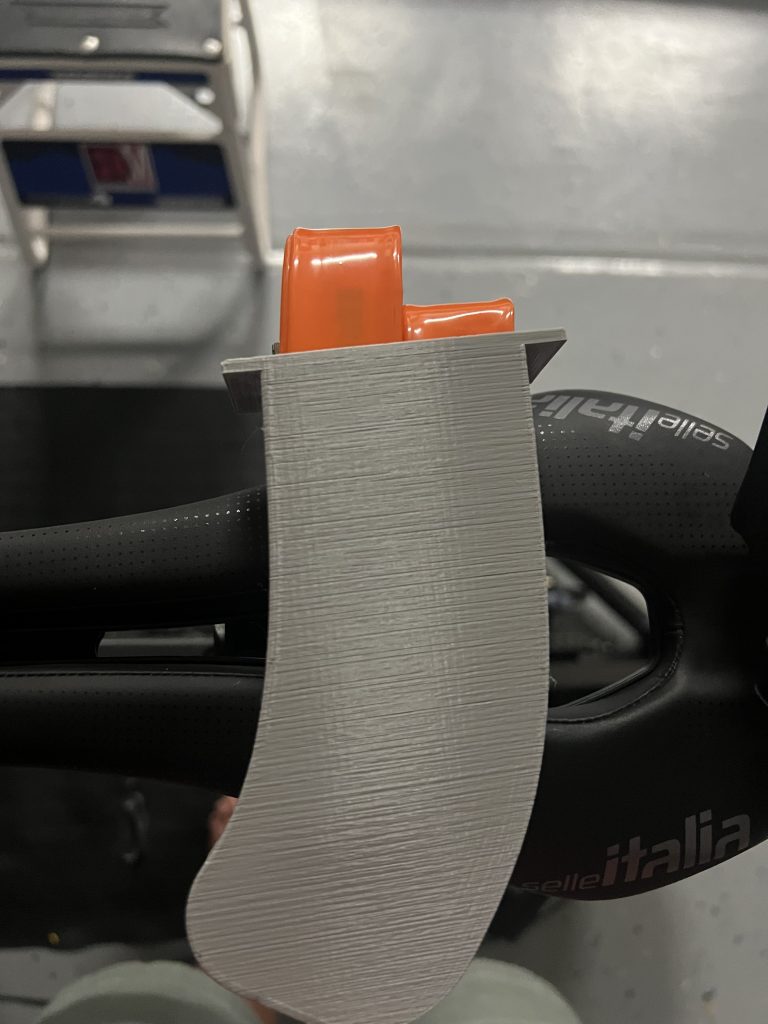
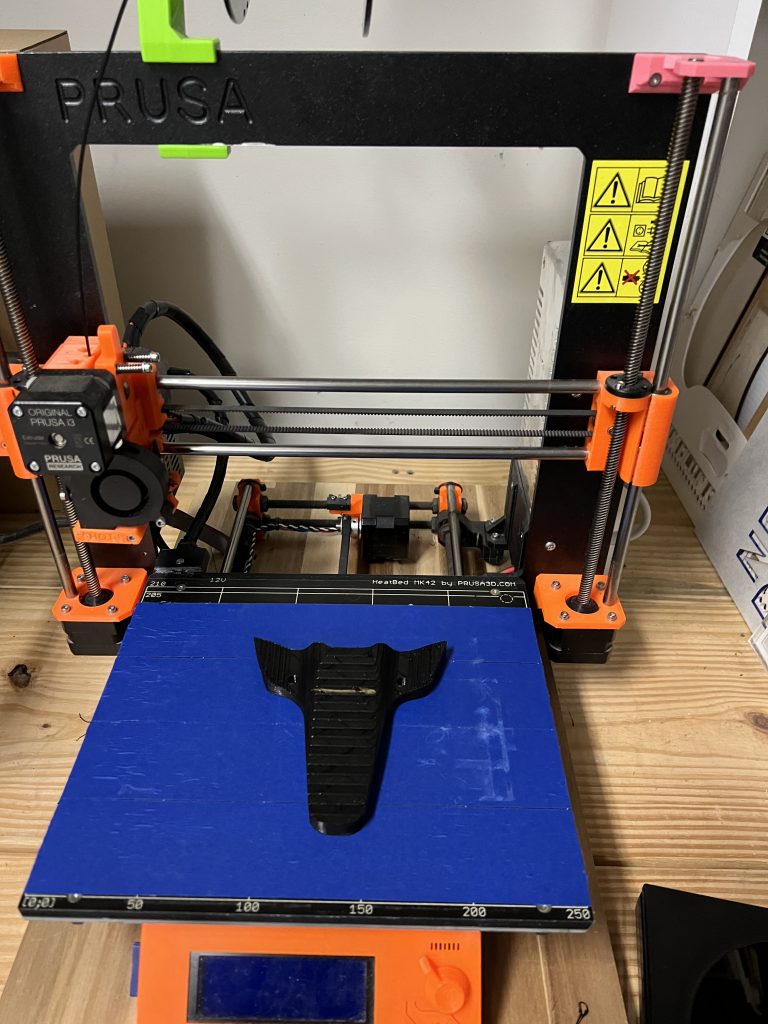
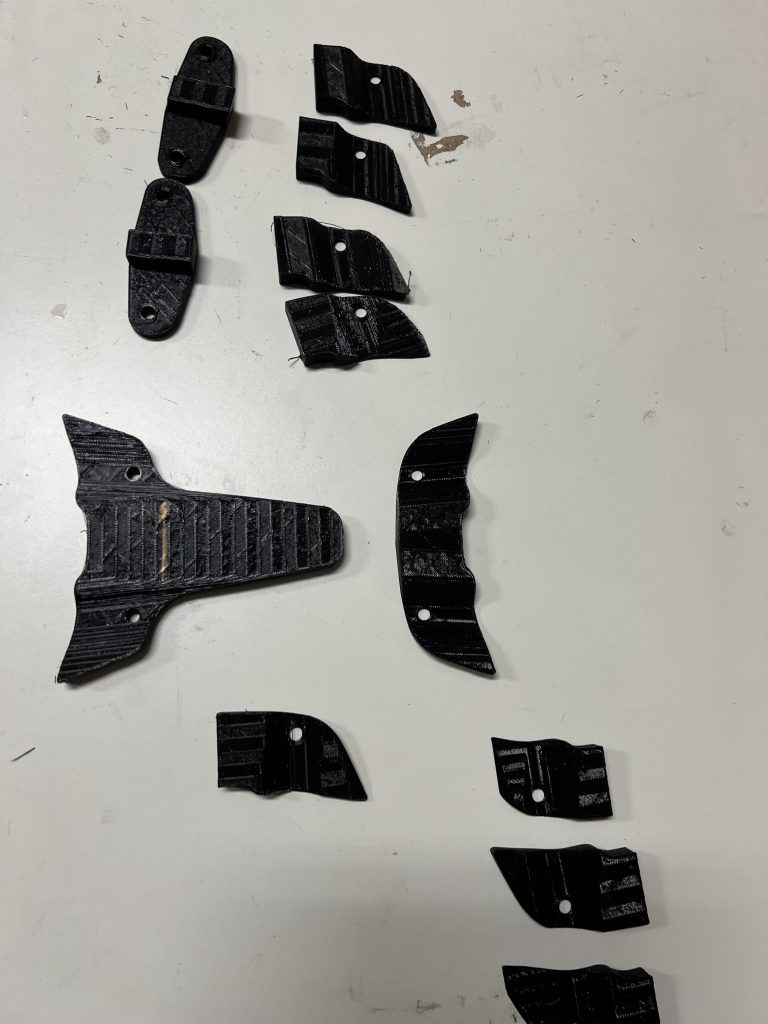
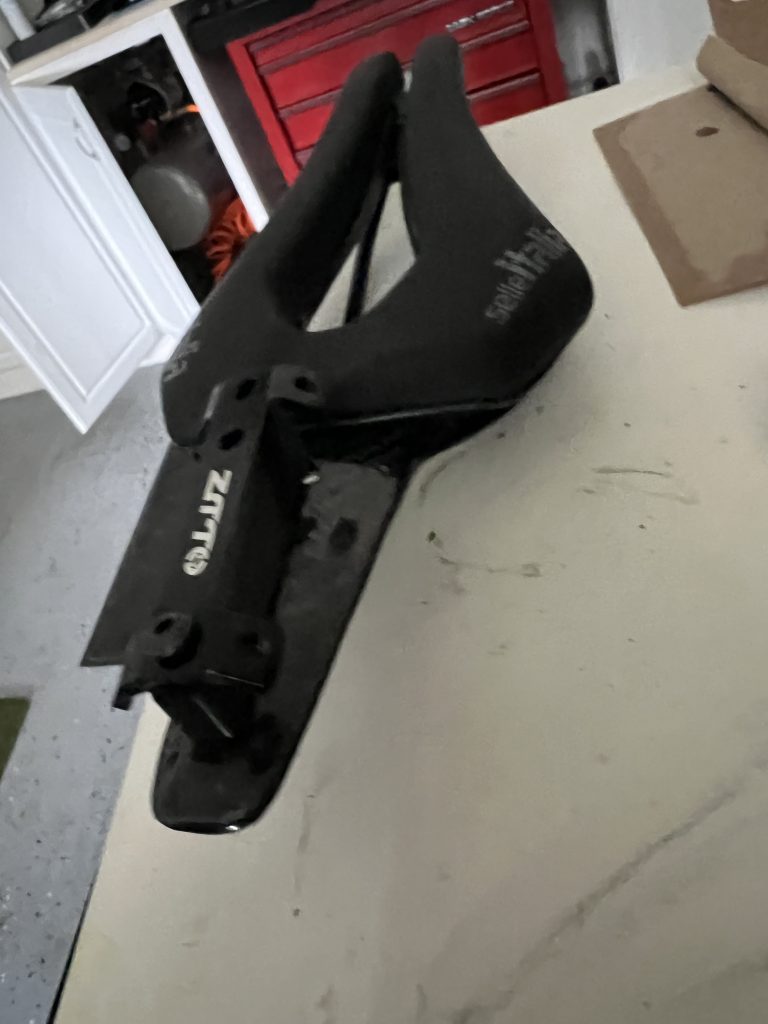
3D Scan to 3D Print due to a random online needing this cover and it is out of stock at Canyon. After doing so many of these reverse engineering projects as an unskilled hobbyist, you can see why the patent/IP system is so flawed and not founded on current technology and the advancement of manufacturing capabilities.
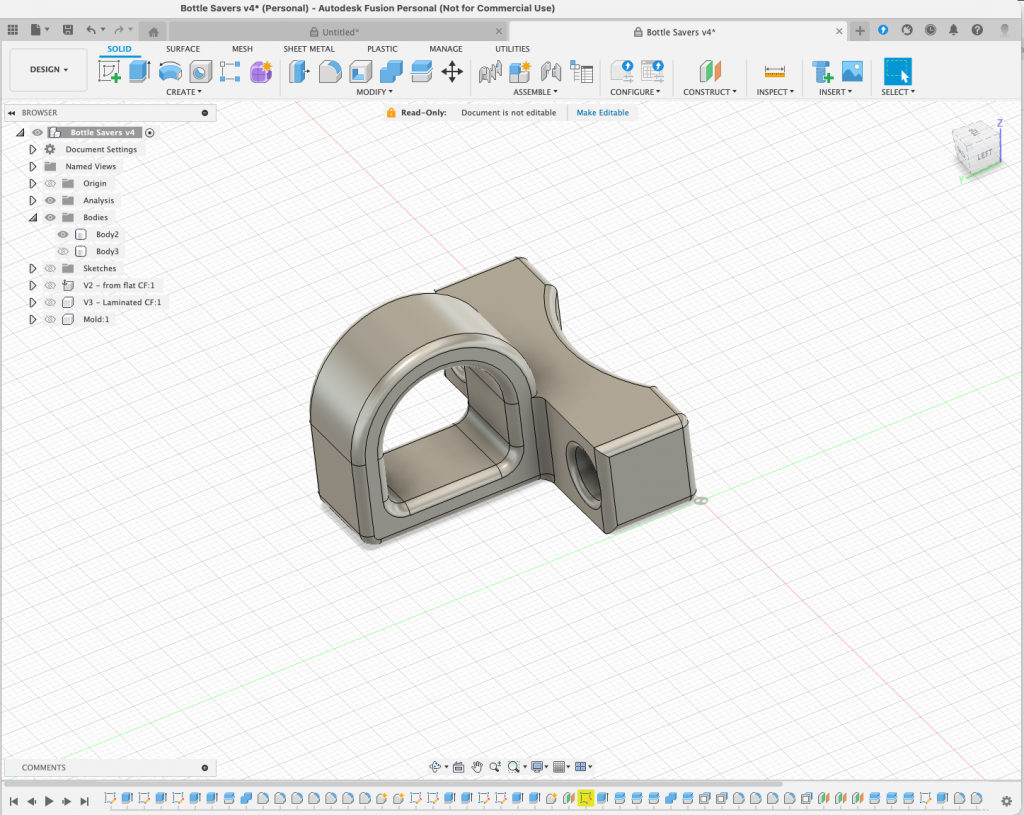
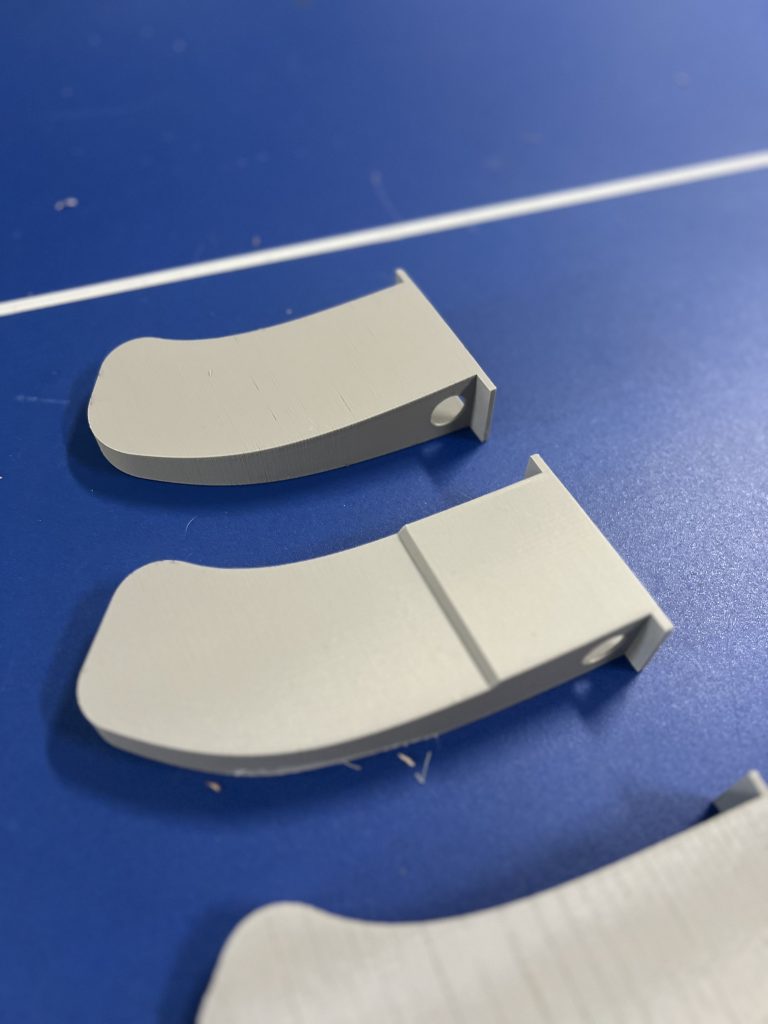
A small project to reverse engineer a small Canyon aluminum part to continue testing my 3D scan workflow. 3D printed it to check dimensions and fit before CNC’ing it. So far so good.
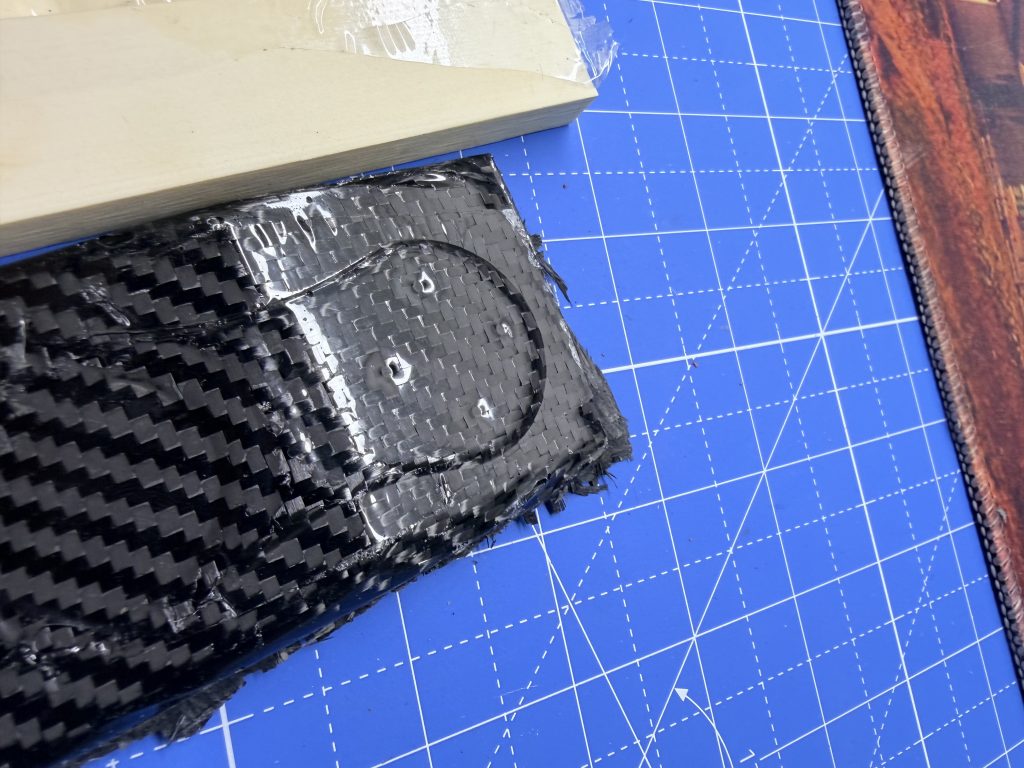
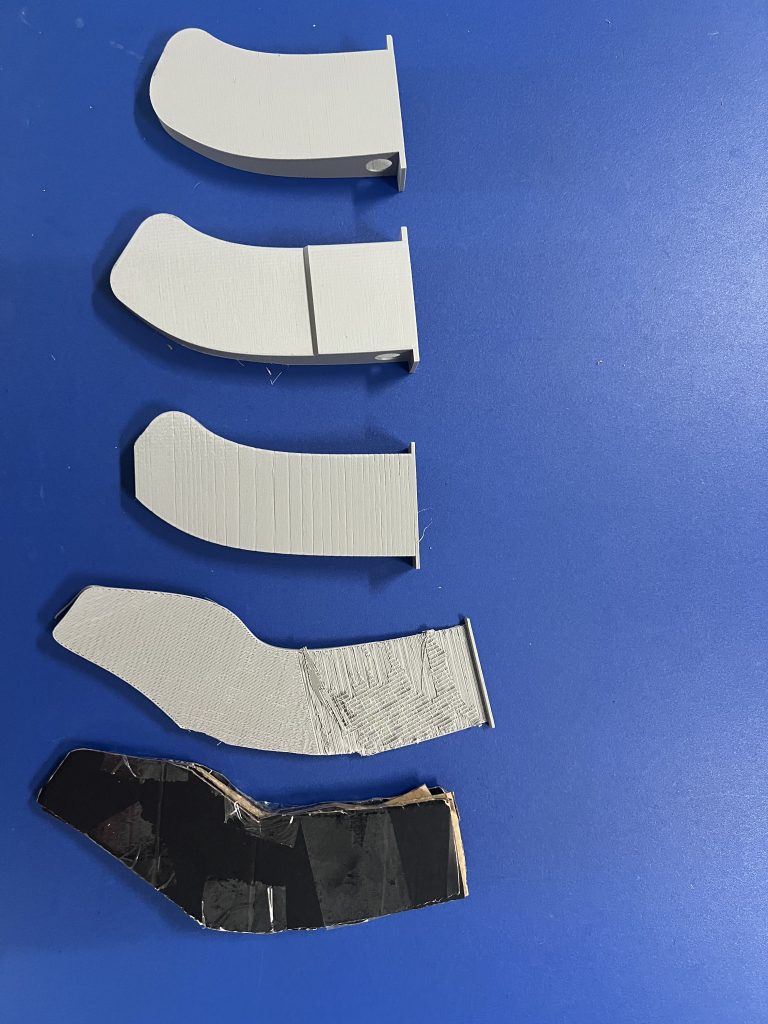
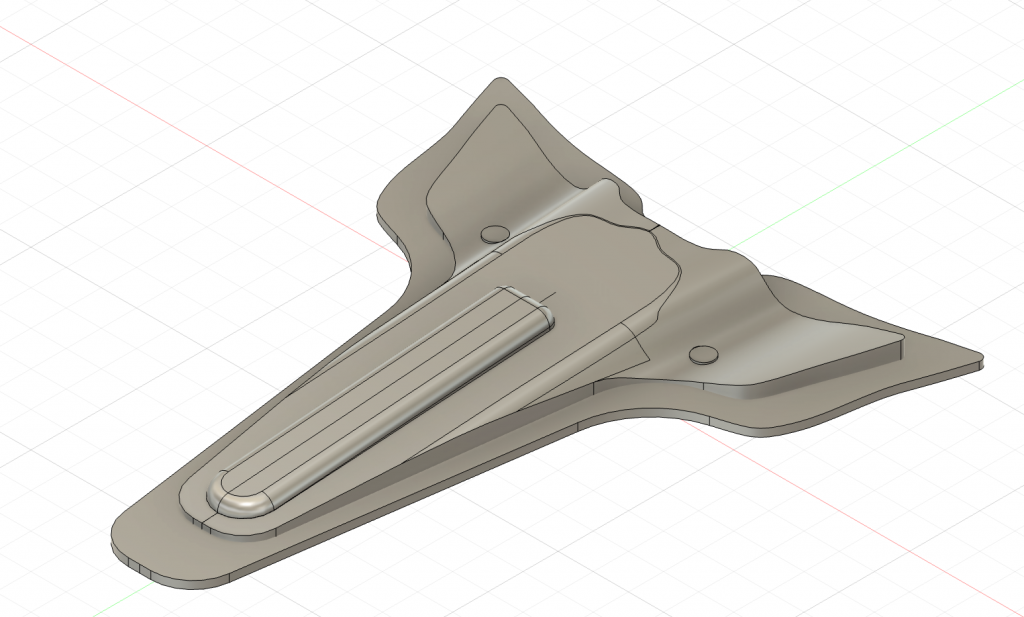
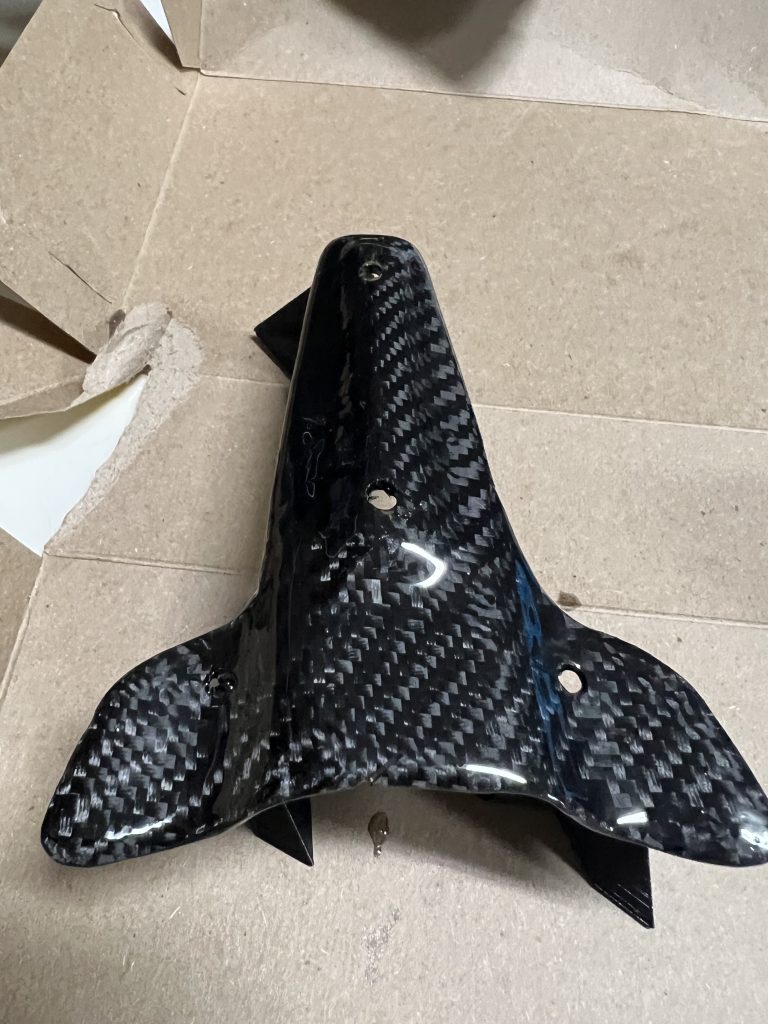
One benefit of owning multiple Canyon bikes is that the majority of them have had the same style/shape of stem caps. From my very first one until now, I have printed, CNC’ed, laser cut, and layed up over a dozen, each with some unique design or nuanced variation depending on the manufacturing method. This version was no different 🙂 I have been waiting to streamline the design to have it fit closer to the bar profile on my MTB. So this time I set out to CNC a mold, wet lay carbon into the mold, and then CNC the shape.
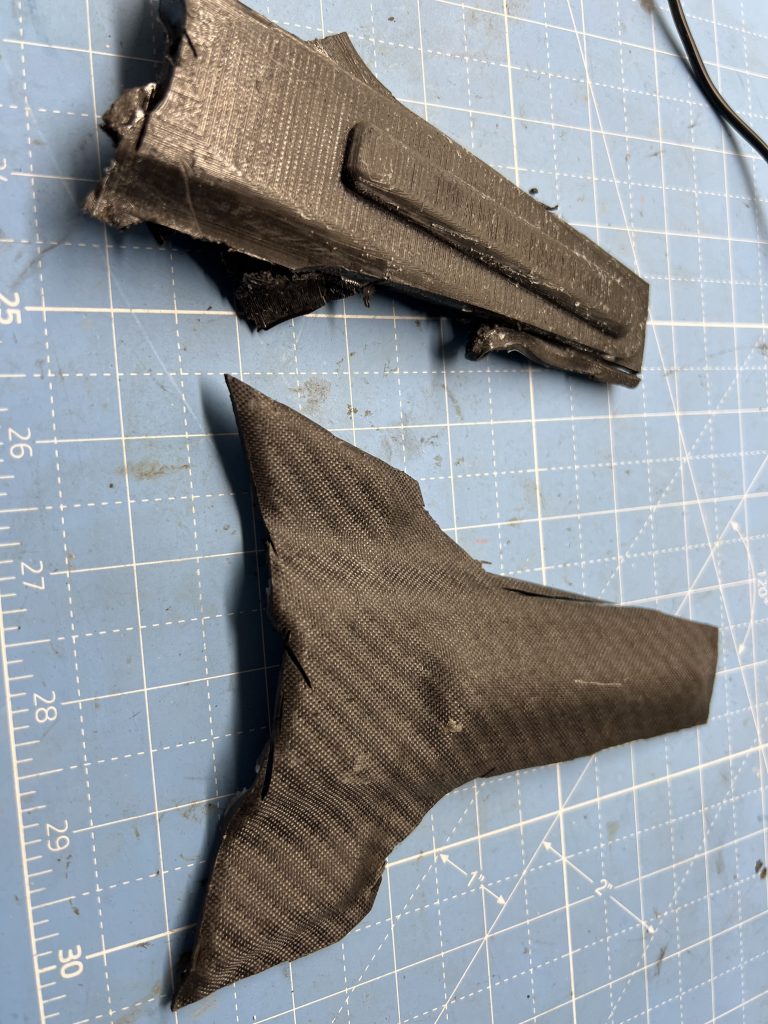
Variant 1: Failed 🙁 the shape worked quite well but the finish was ugly and would be a nightmare to CNC accurately.
Variant 2: Failed 🙁 I CNC’ed the shape using Aluminum, wet layed the carbon, but it cured into the mold and was unable to demold it successfully with delaminating/damaging the part.read more
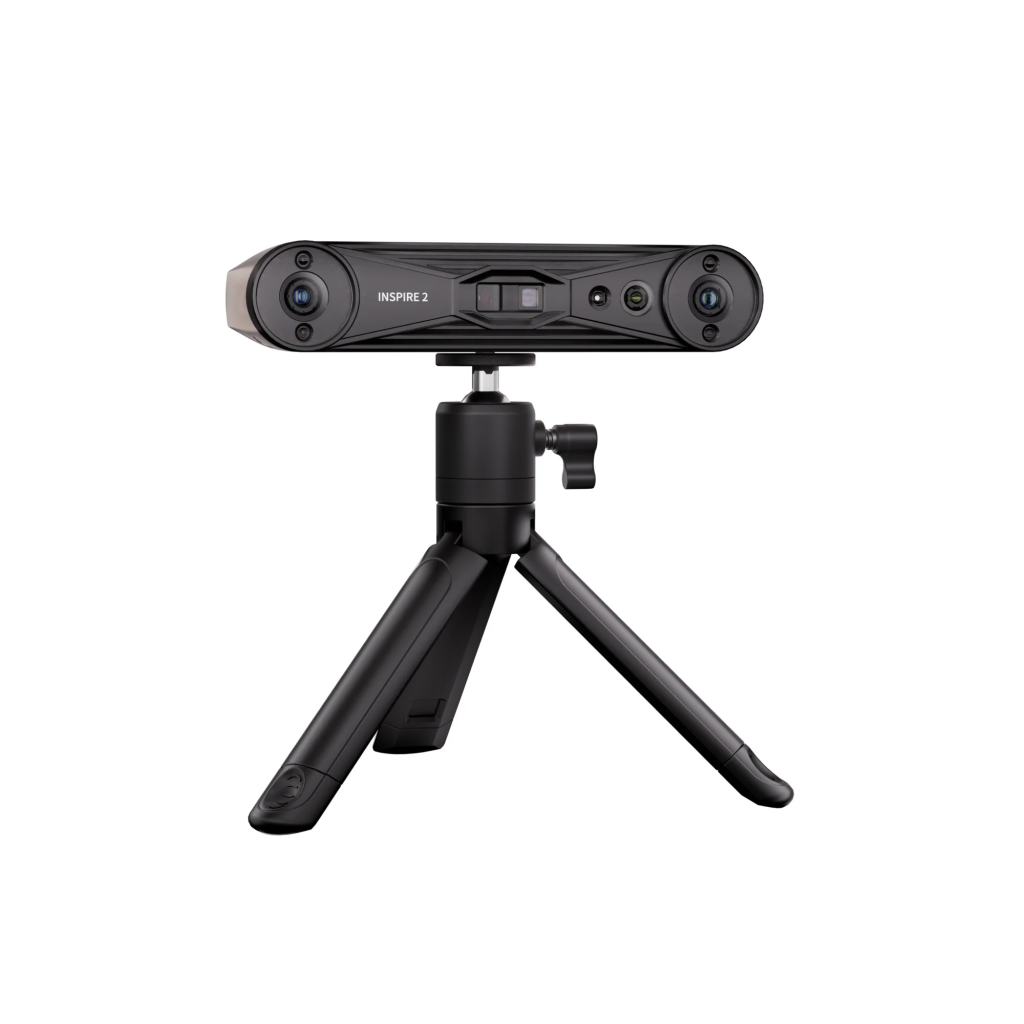
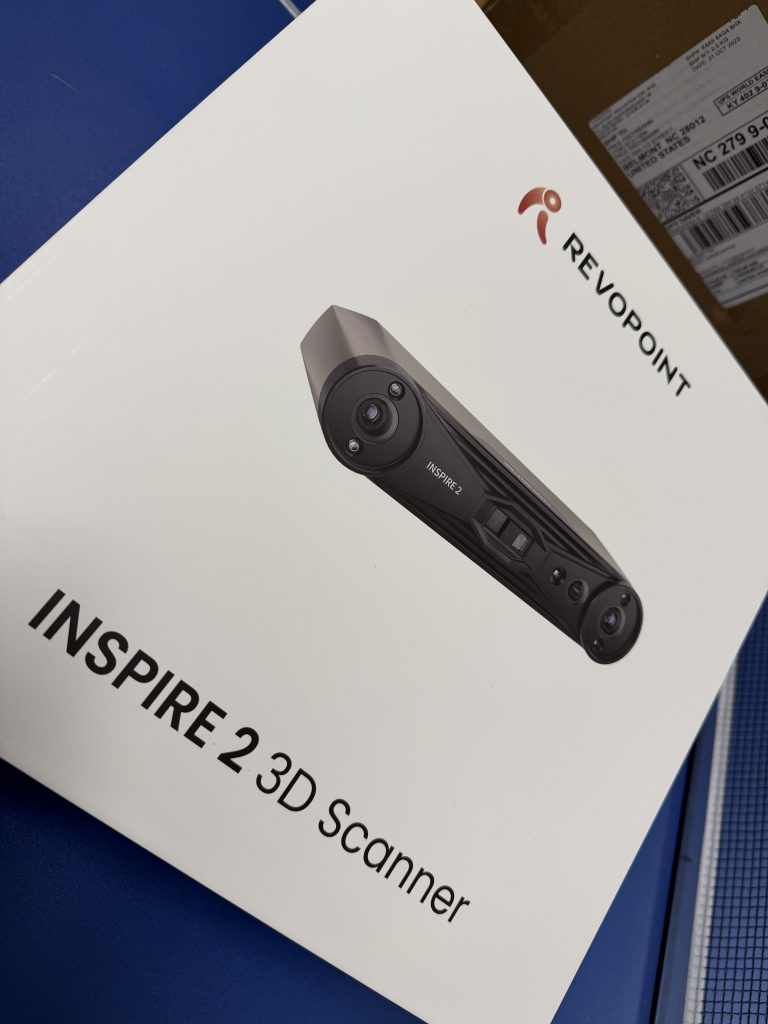
3D scanner has intrigued me for a couple of years. The lure of being able to quickly and easily recreate something from a physical scan seems like the holy grail of self sufficiency and reducing your reliance on manufacturing or availability. 1.) With a couple of bike related projects that I want to tackle, 2.) the prices of the devices falling easily with the reach of consumers and 3.) the reasonable accuracy you get thanks to the underlying technology – it seems like it was the right time to get started.
Firstly – the device has been awesome, doing exactly what I anticipated and expected. Albeit a slightly cumbersome and slow learning process to understand the nuances of these devices. It is not the technology but rather the workflows involved to turn a “simple” scan, into a “simple” digital representation. There are a variety of steps in different tools and software, and the reality is that, as always, the devil is in the details.read more
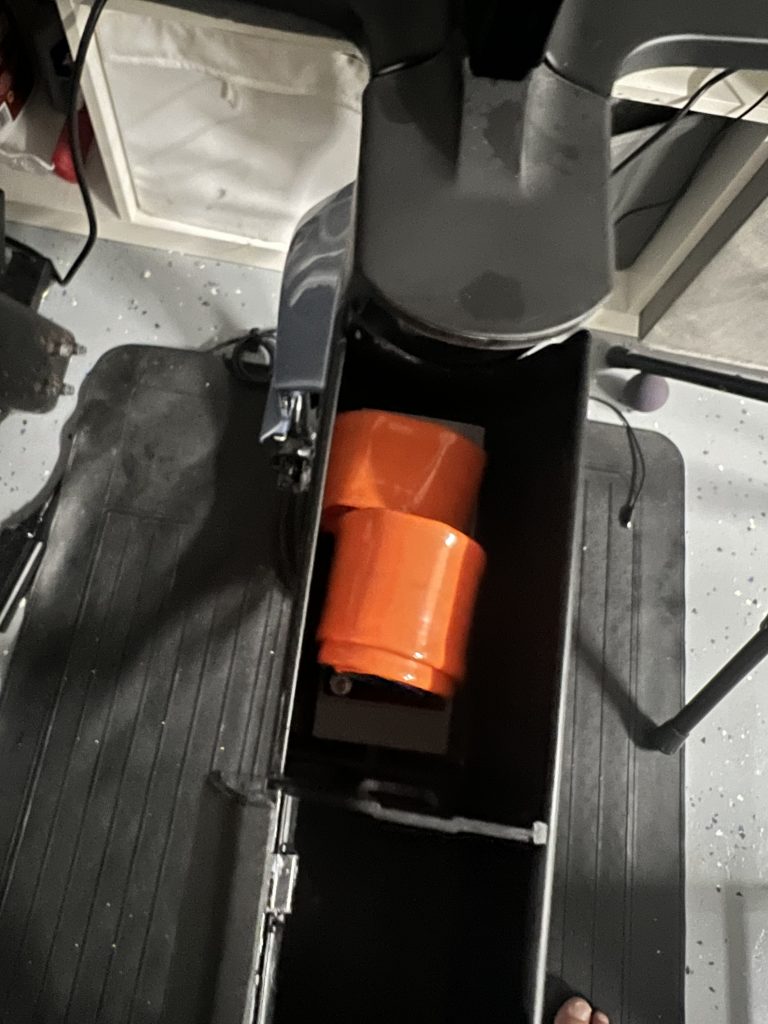
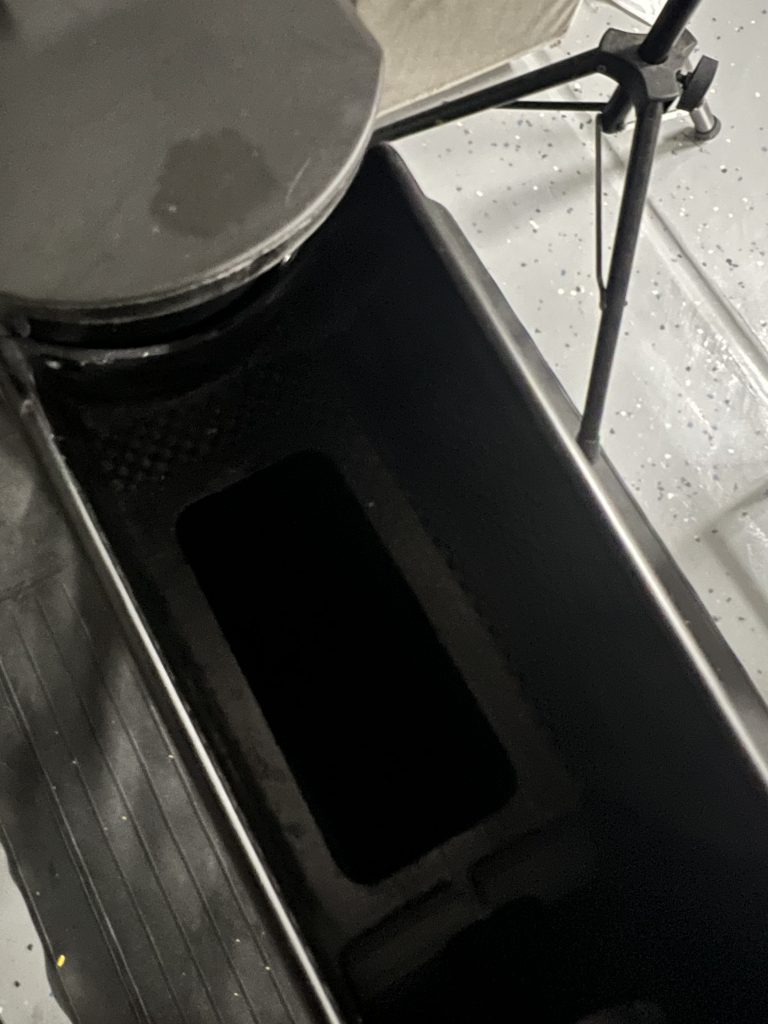
Another “fun”ctional 3D print for the Canyon Speedmax – there is a small cavity in the frame where the water bladder is inserted, if you dont use the bladder, this frame insert can hold some tools/tubes or small parts you may need during your ride. Its not a huge amount of space, but enough to be useful.
Another carbon fiber project to design and create a bottle holder for behind the seat. 3D printed mould and used 8 layers of 220g 2K Carbon fiber for the wet layup.
My next foray into Carbon fiber design, tooling and development came with this project. Overall, a reasonable success. Still not perfect, and probably will not be used due to the catastrophic risk associated with riding a bike at 50mph and these breaking, but in theory and practice, a great learning opportunity.
Inspiration
Part 1: Prototyping
Part 2: Design
Fusion 360 for the design work.
Part 3: Tooling/Plug
This consisted of 4 3D printed cubes glued together and then finished with lots of sanding, and an epoxy coat.
Part 4: Version 1
The first version didnt go according to plan, I ran out of Carbon fiber material, and also recognized some layup issues. I decided to finish it anyway, but it was a dud 🙁read more
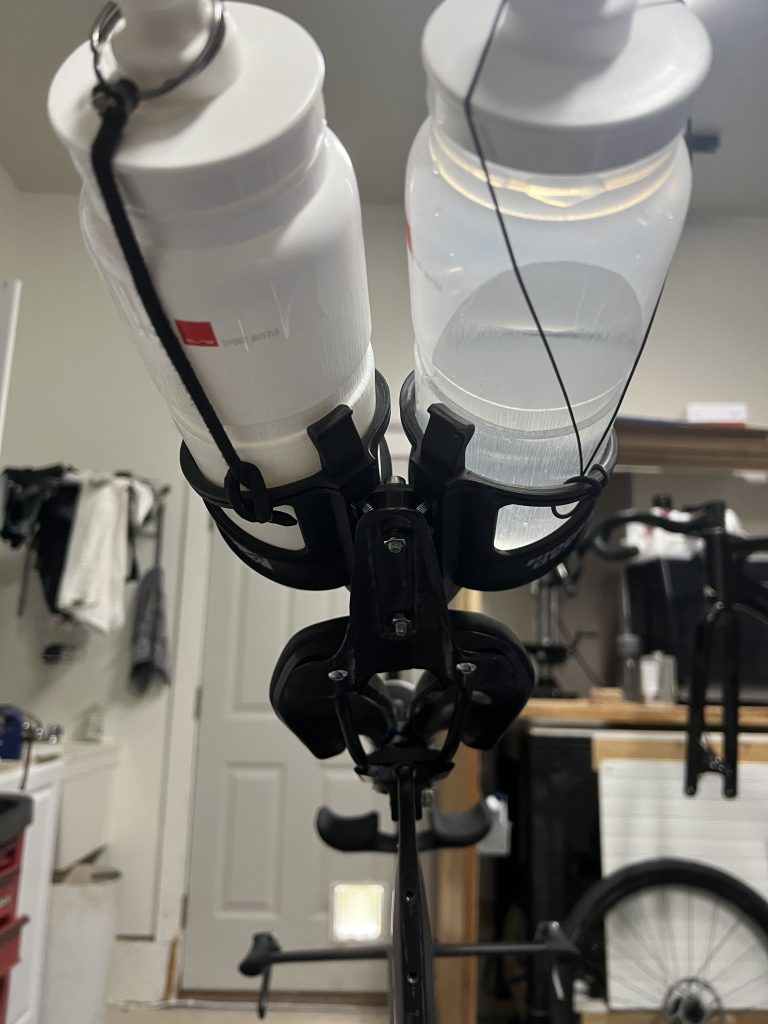
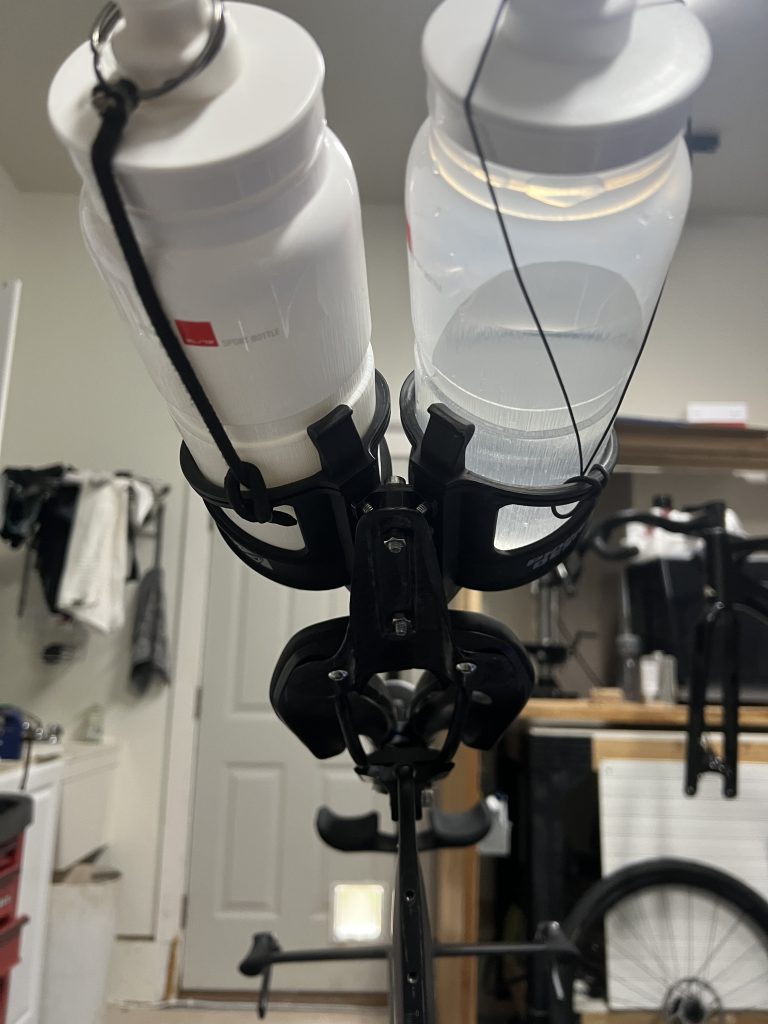
A bit of a clone from other designs on the market for a BTA bottle mount which has an adjustable angle. Made for the Canyon Speedmax. Printed, but not field tested, shortly after I switch to work on OpenAero designs.
After designing, building, rebuilding, and re-printing dozens of accessories for my bikes over the last few years, I wanted to create and share a open source design system for accessories for bikes that allows myself (and a community) to innovate and collaborate on these types of products. Here is a snippet from the readme file:
Our goal is to develop a modular mounting system for bicycle accessories — ranging from water bottle holders and lights to phone and cycling computers. Partially inspired by Gridfinity, this system provides a base platform and is intended to be stackable. The motivation behind the definition and open source nature of this project is to encourage community-driven design and innovation in the triathlon space.read more
You must be logged in to post a comment.