



Personal collective of ideas, thoughts and notes
It’s been a while since I edit any “home video” editing, but Ella, Charlotte and I decided it would be nice if we put some videos together for their Volleyball social media accounts. I have been using Adobe Premier Pro and After Effects to create the videos below so far.
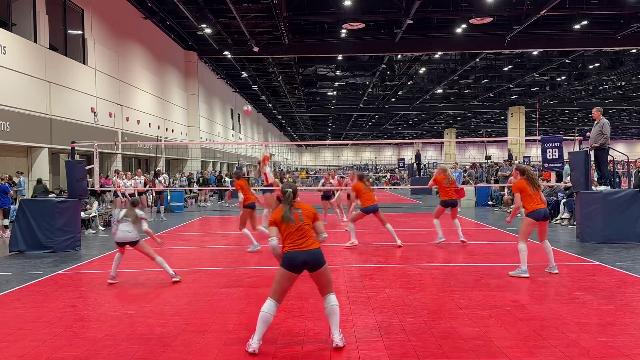
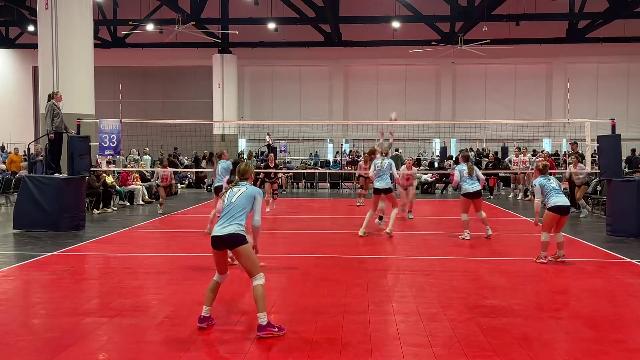
A trip to Orlando which went smoothly until we wanted to fly home 🙁 – A rental car, 8.5 hours later and a 5:30AM arrival made Monday tough.


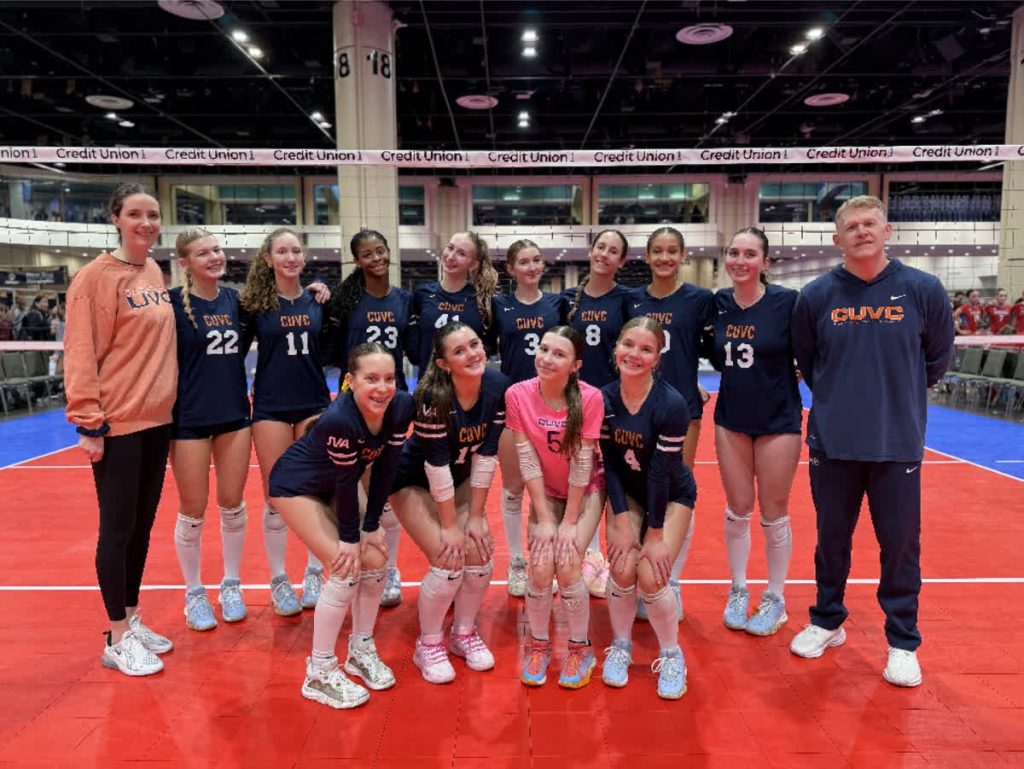
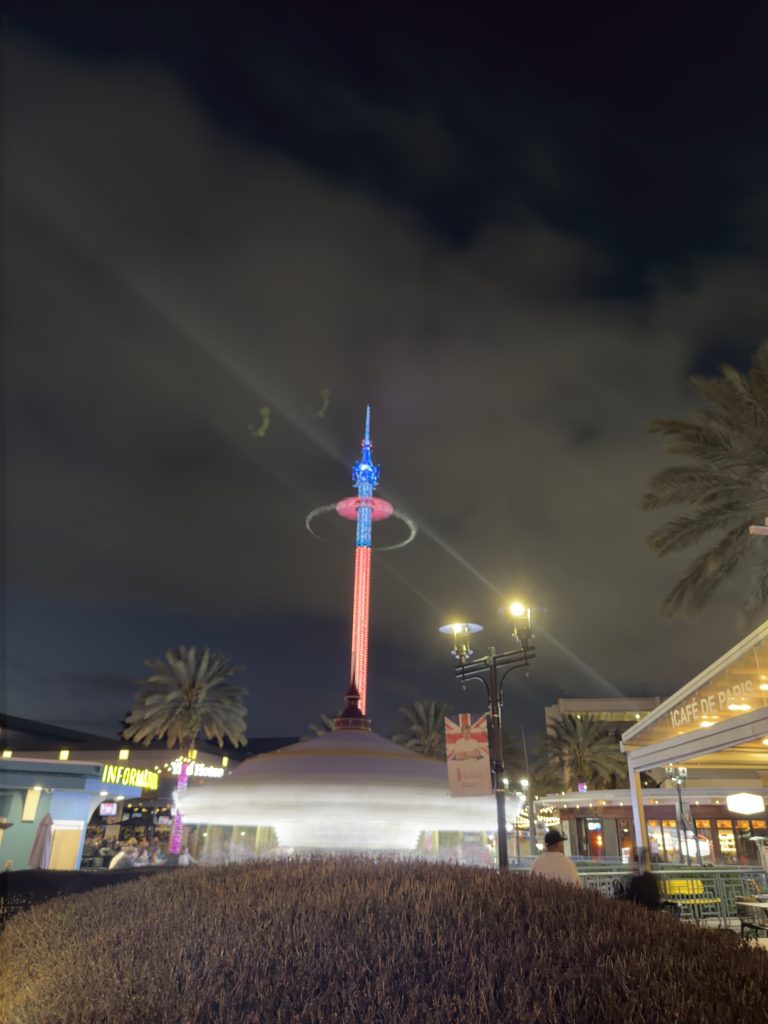

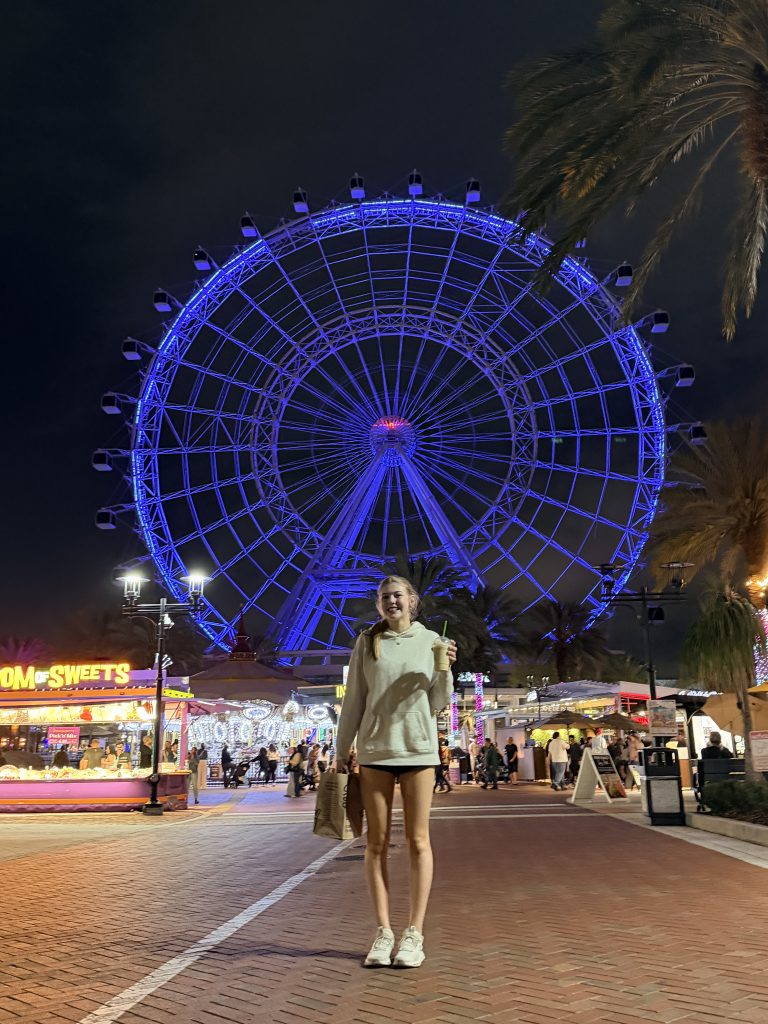
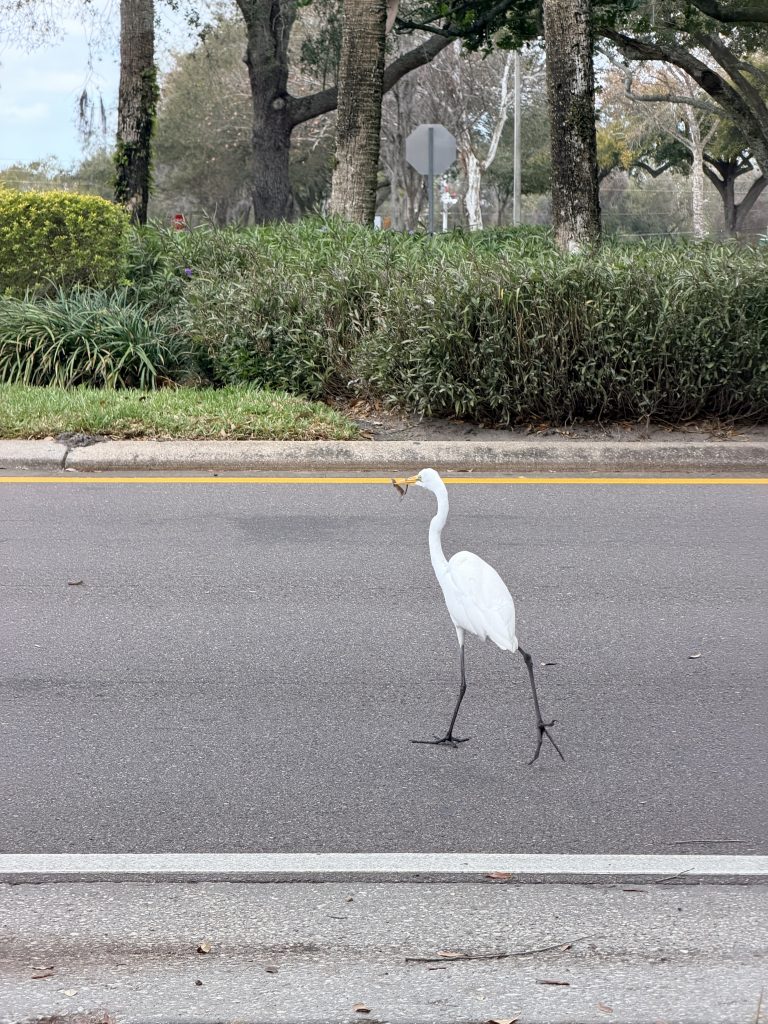
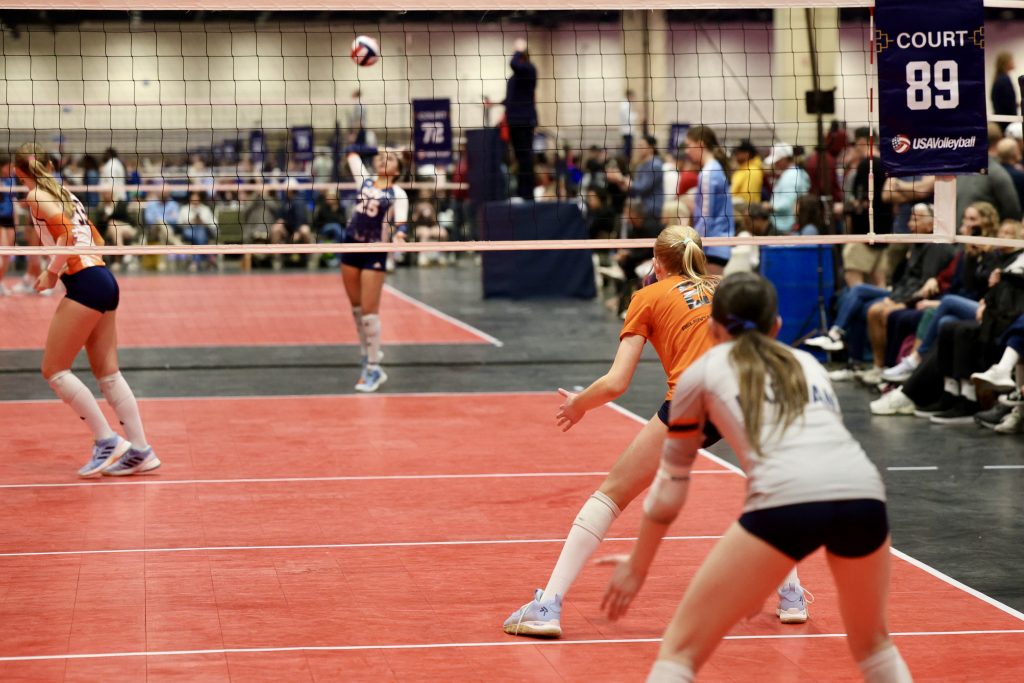
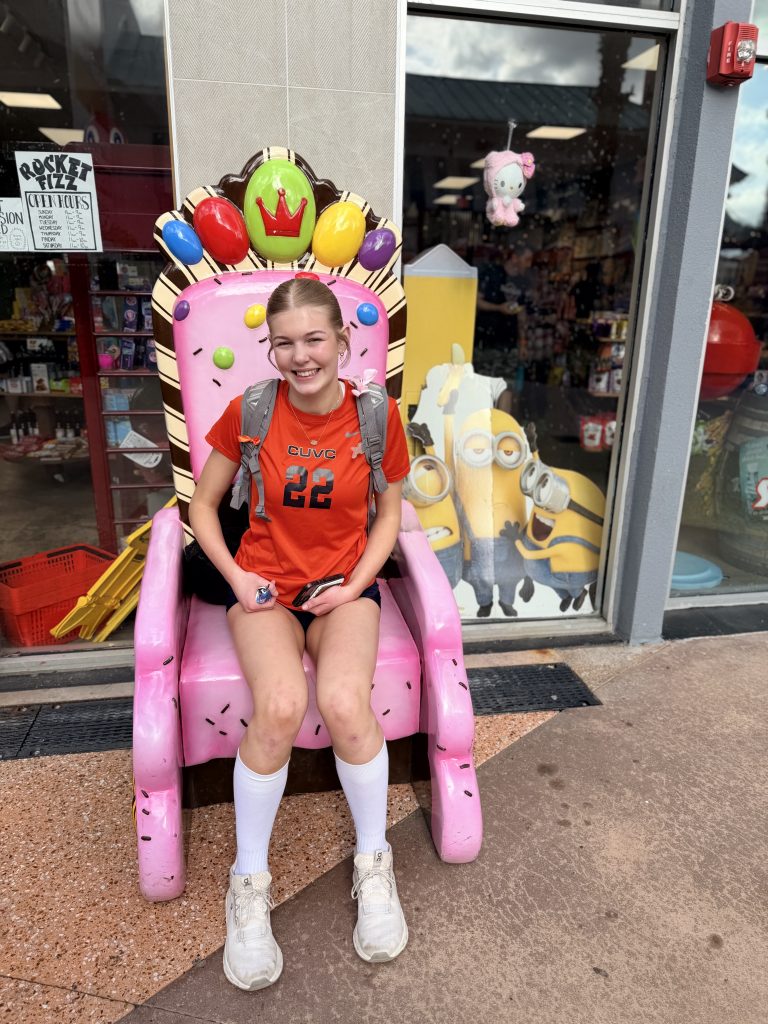
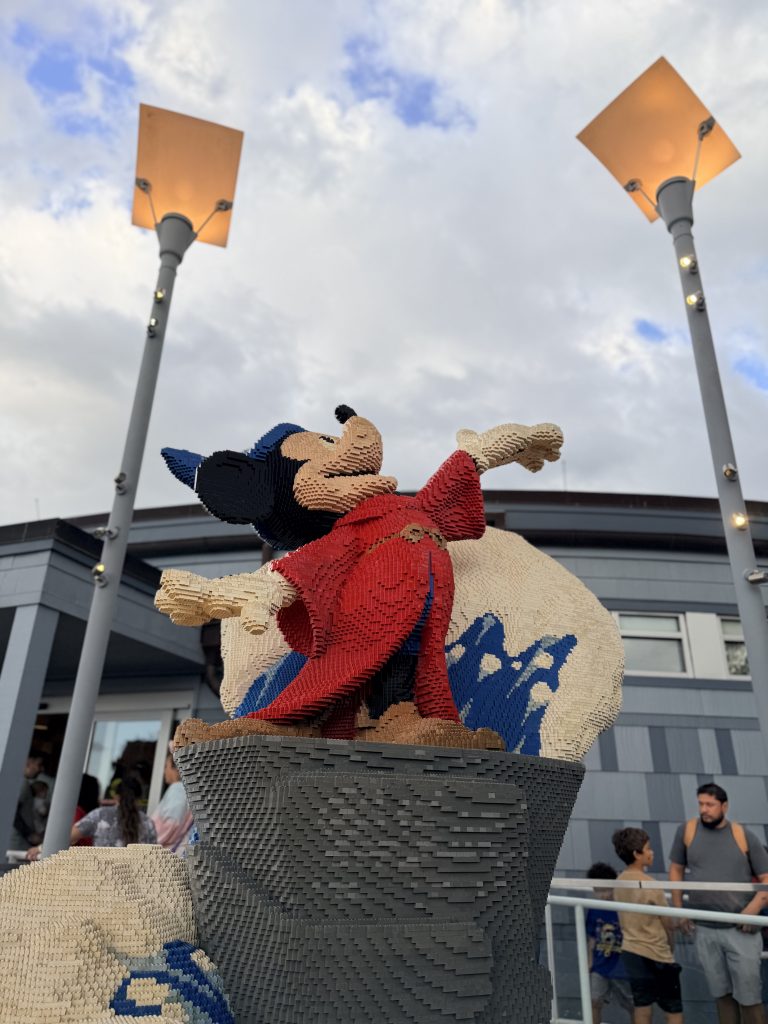
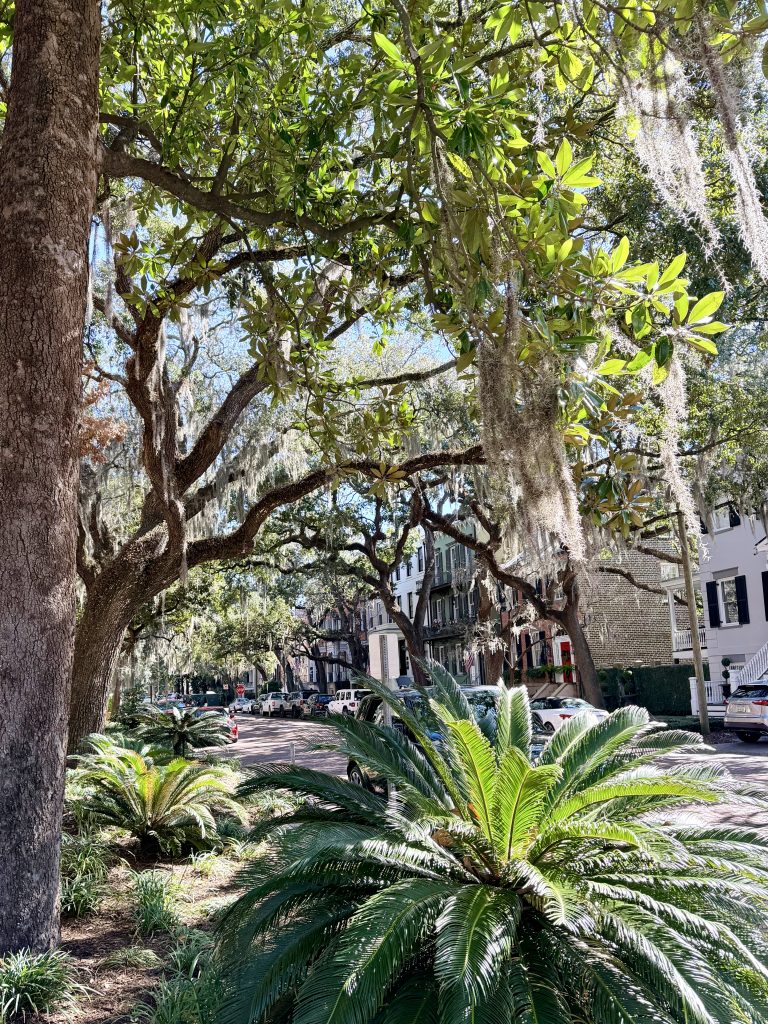
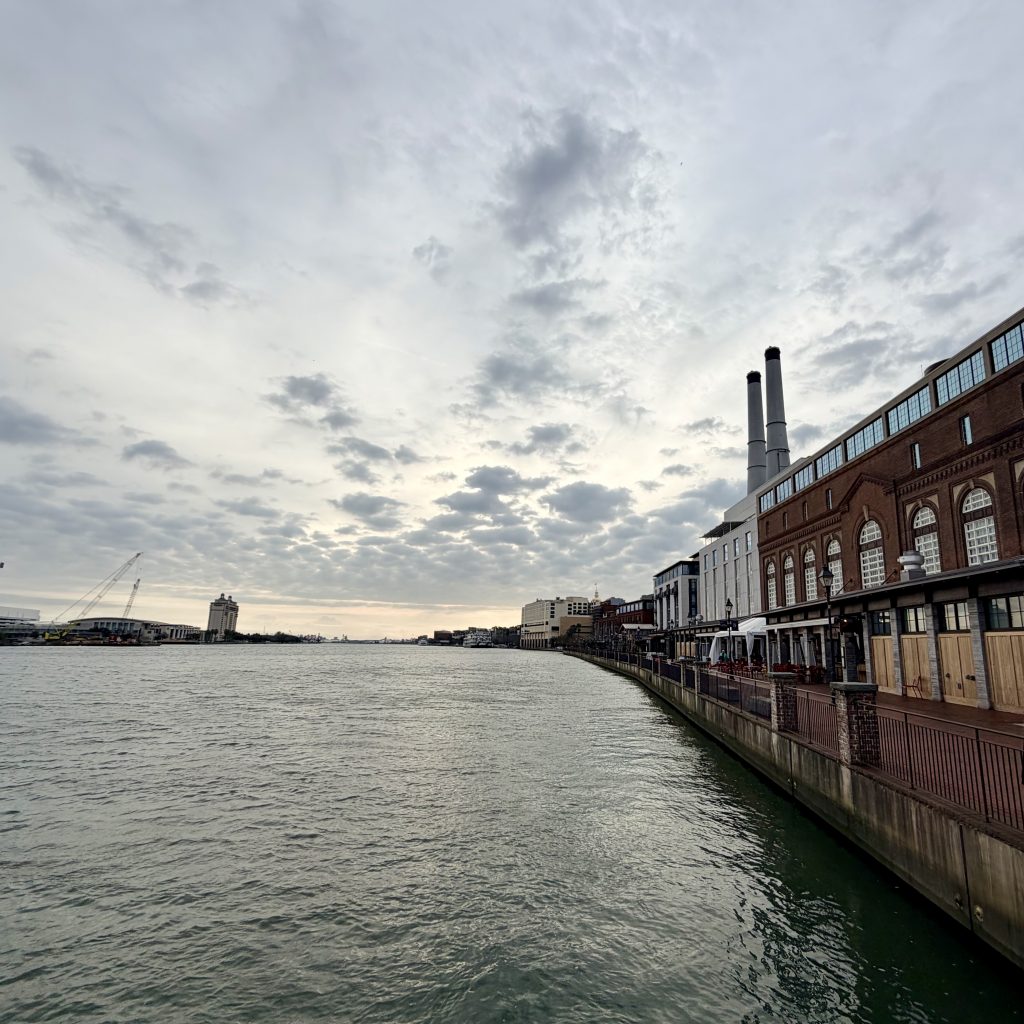
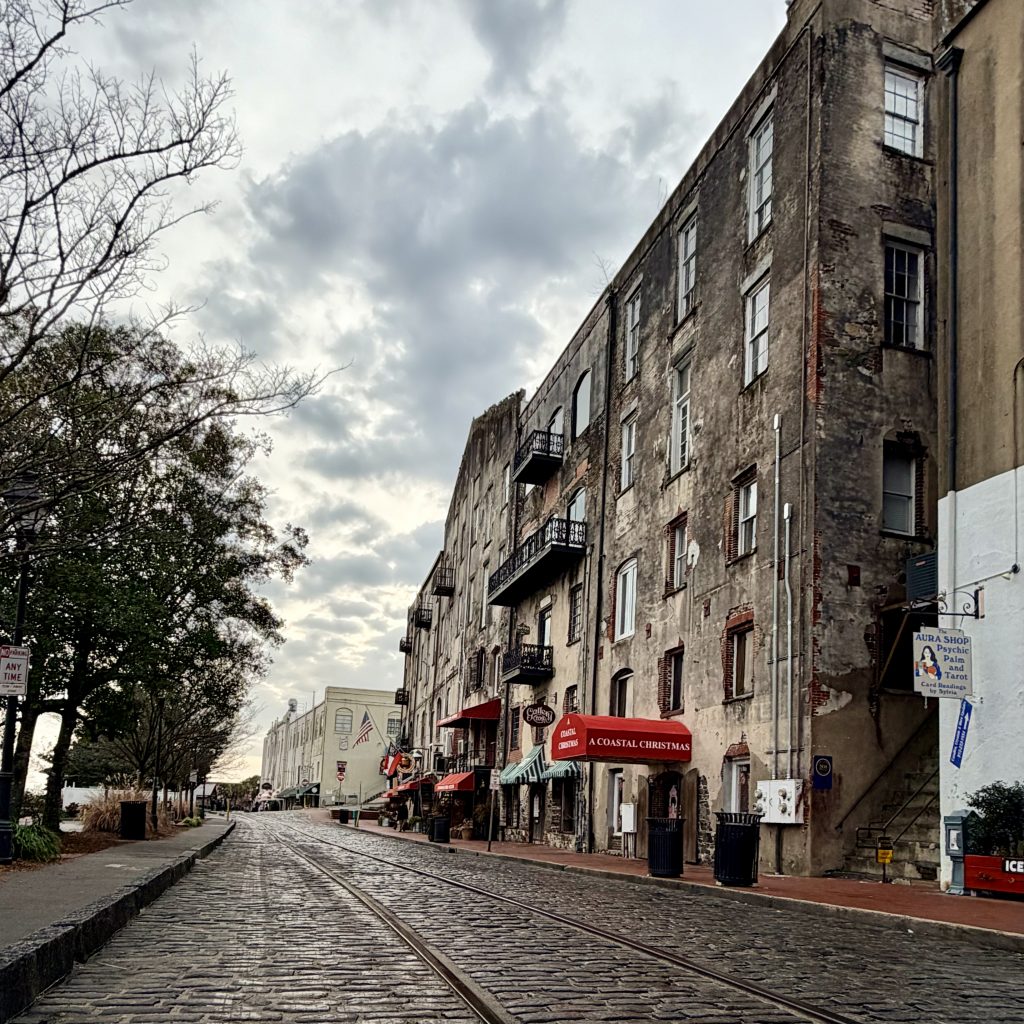
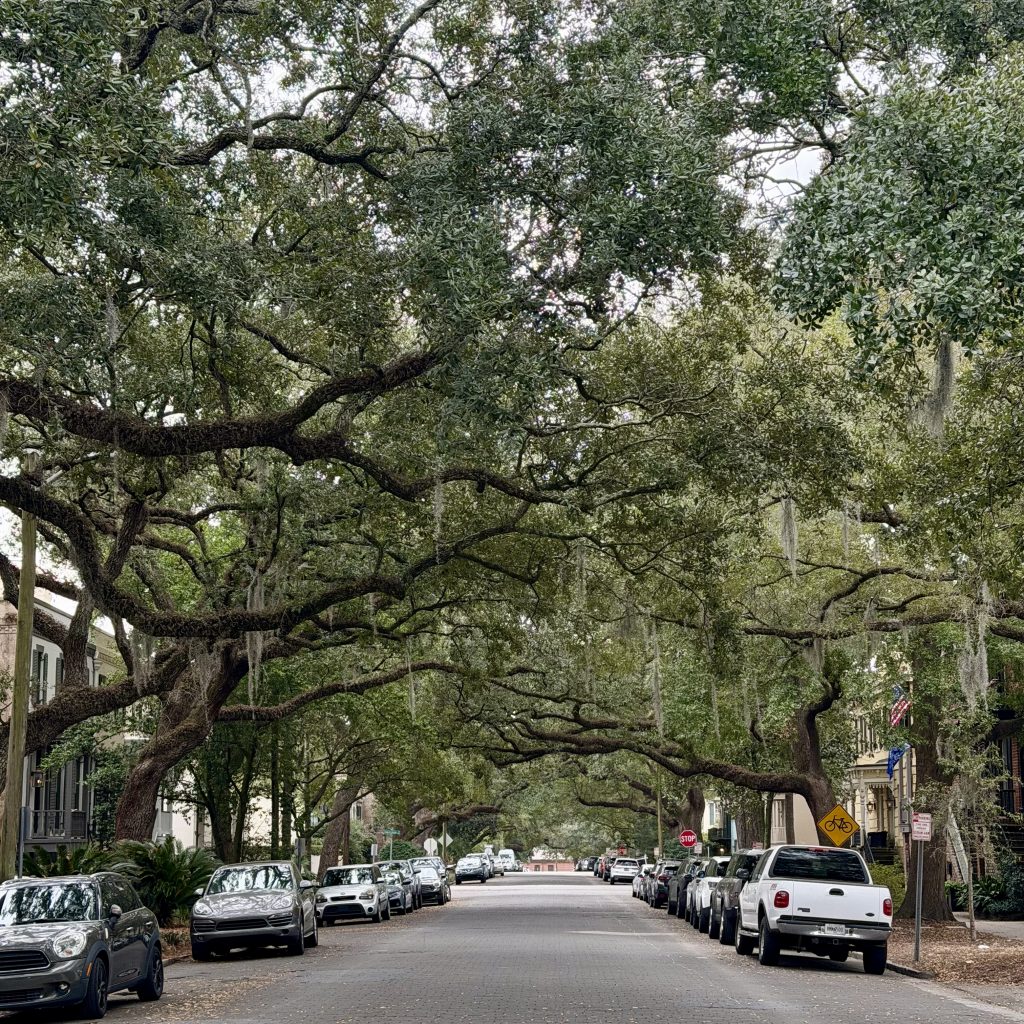
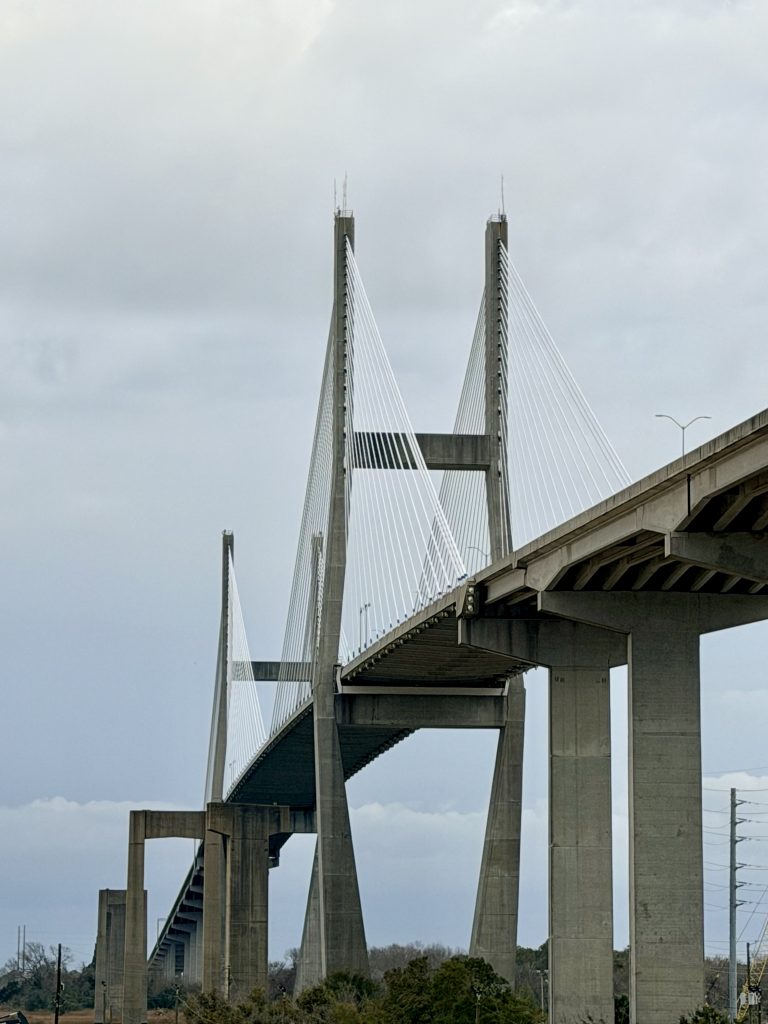
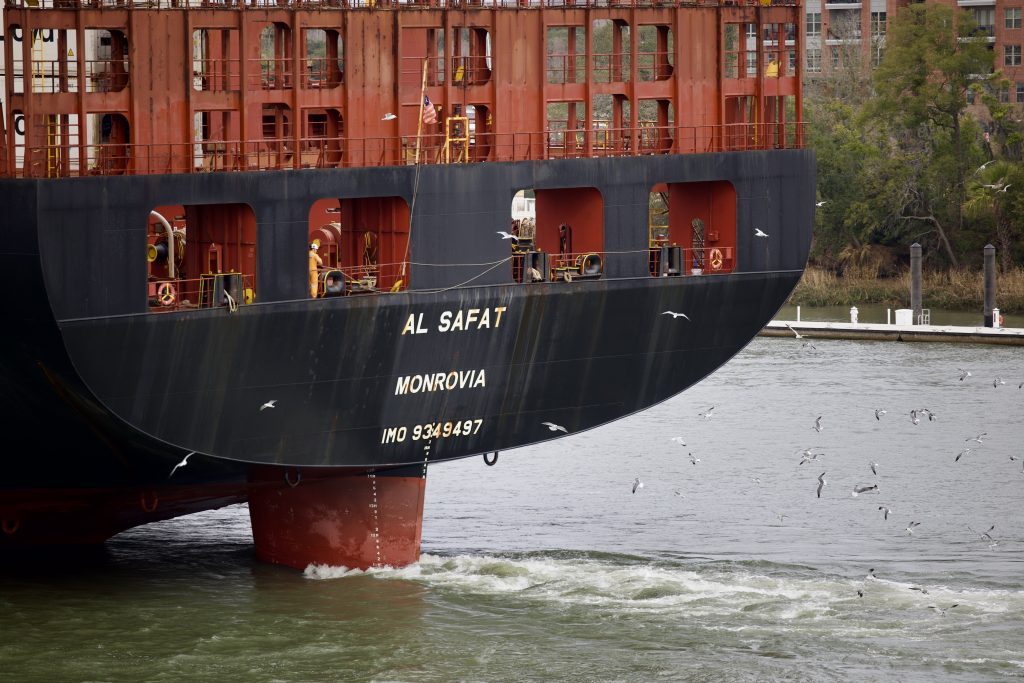
A trip to Savannah, Georgia with Charlotte for the weekend. Great to be back visiting, as I forgot how unique it was. #grunge
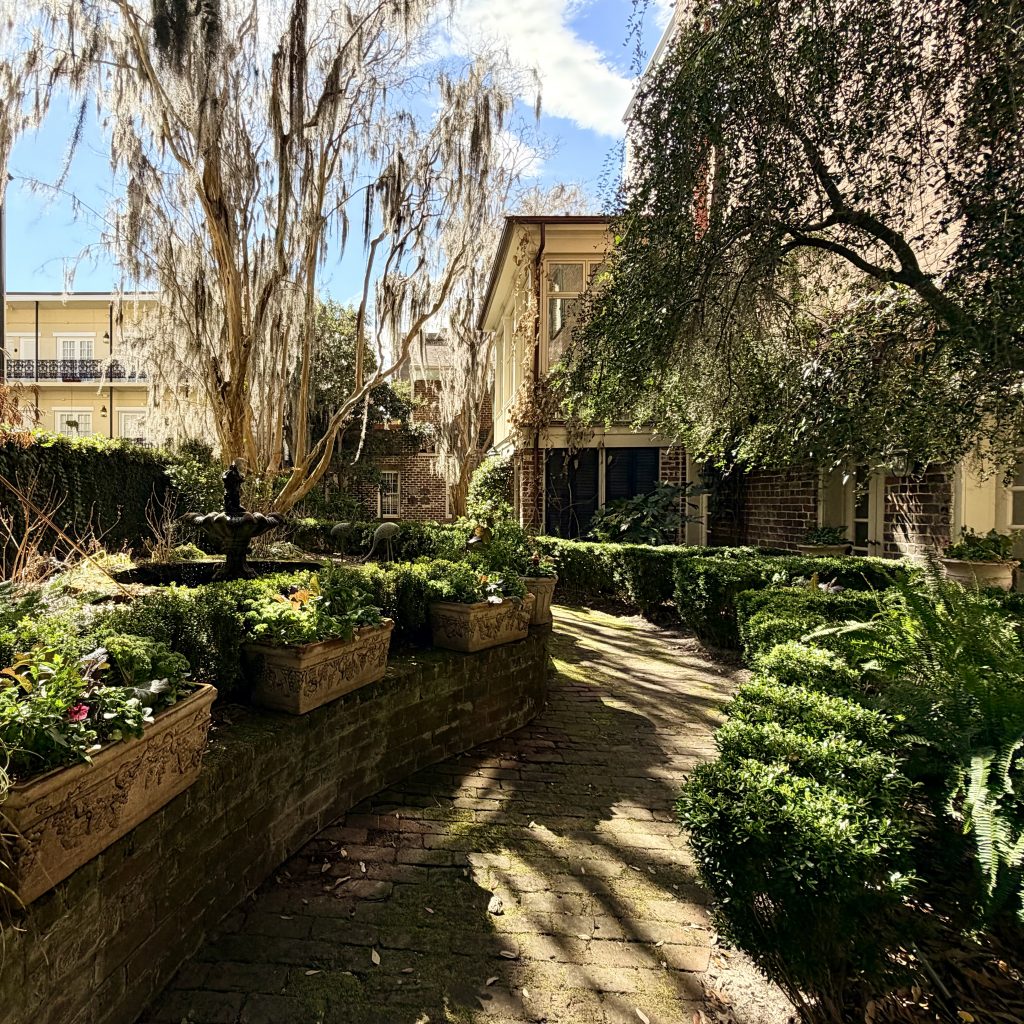
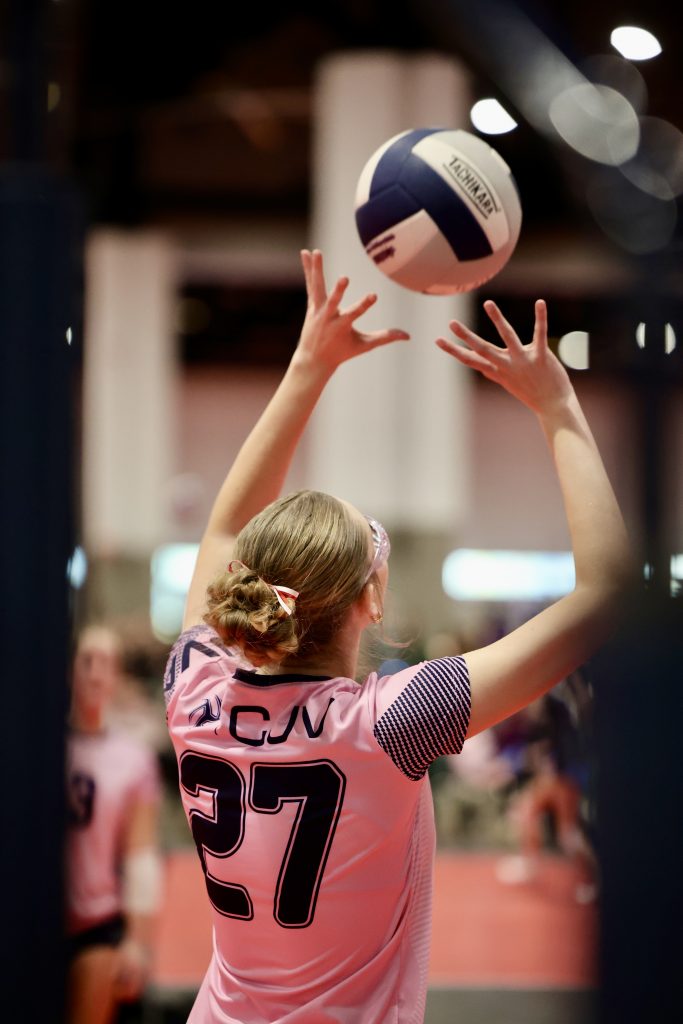
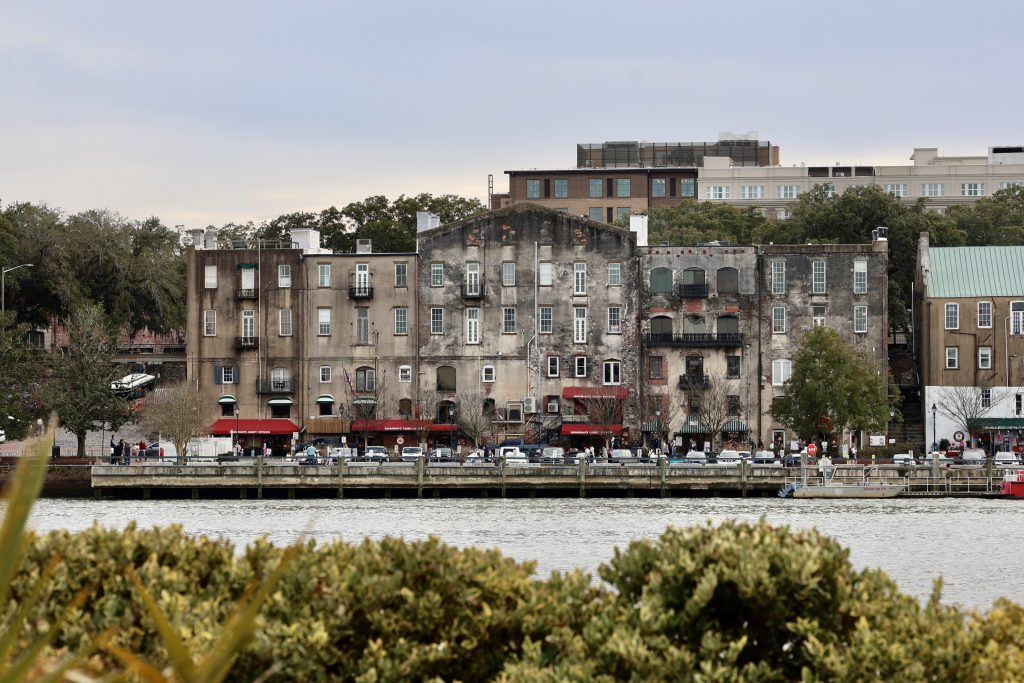
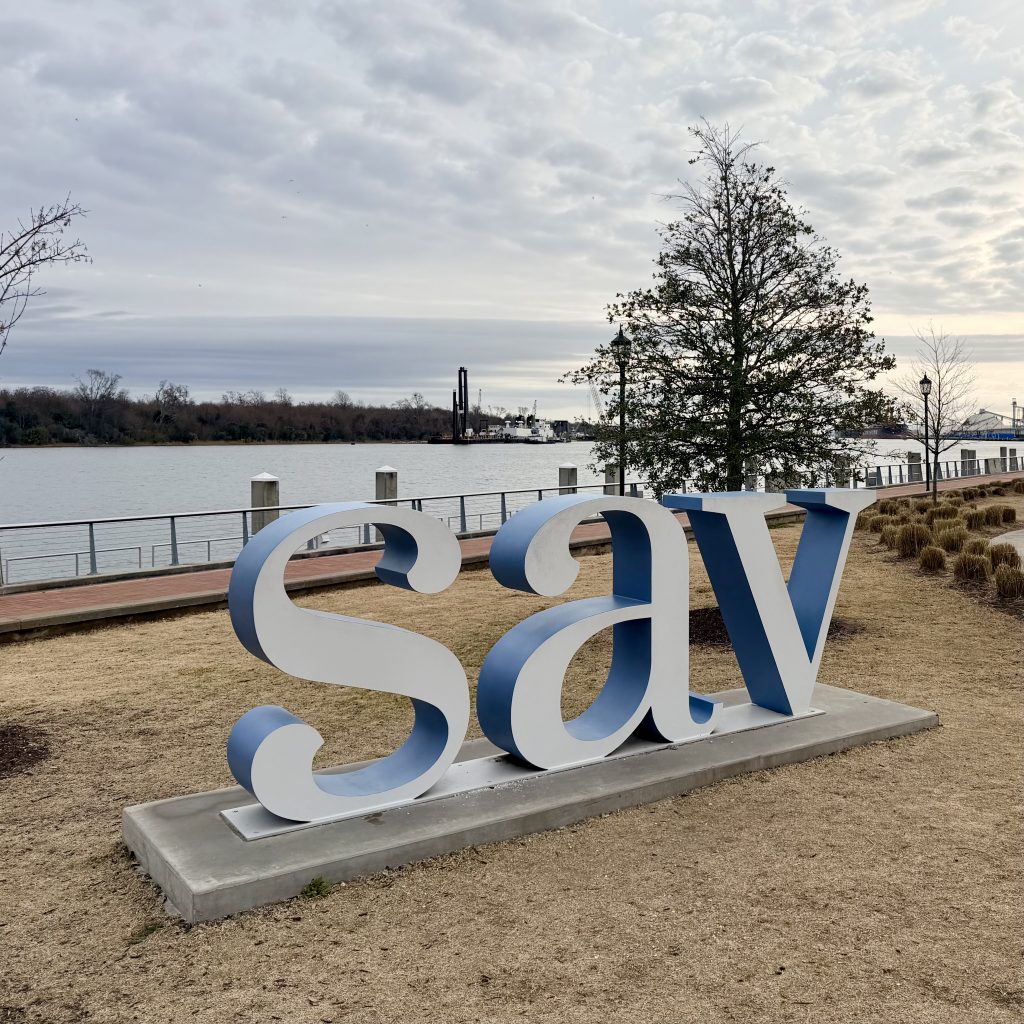
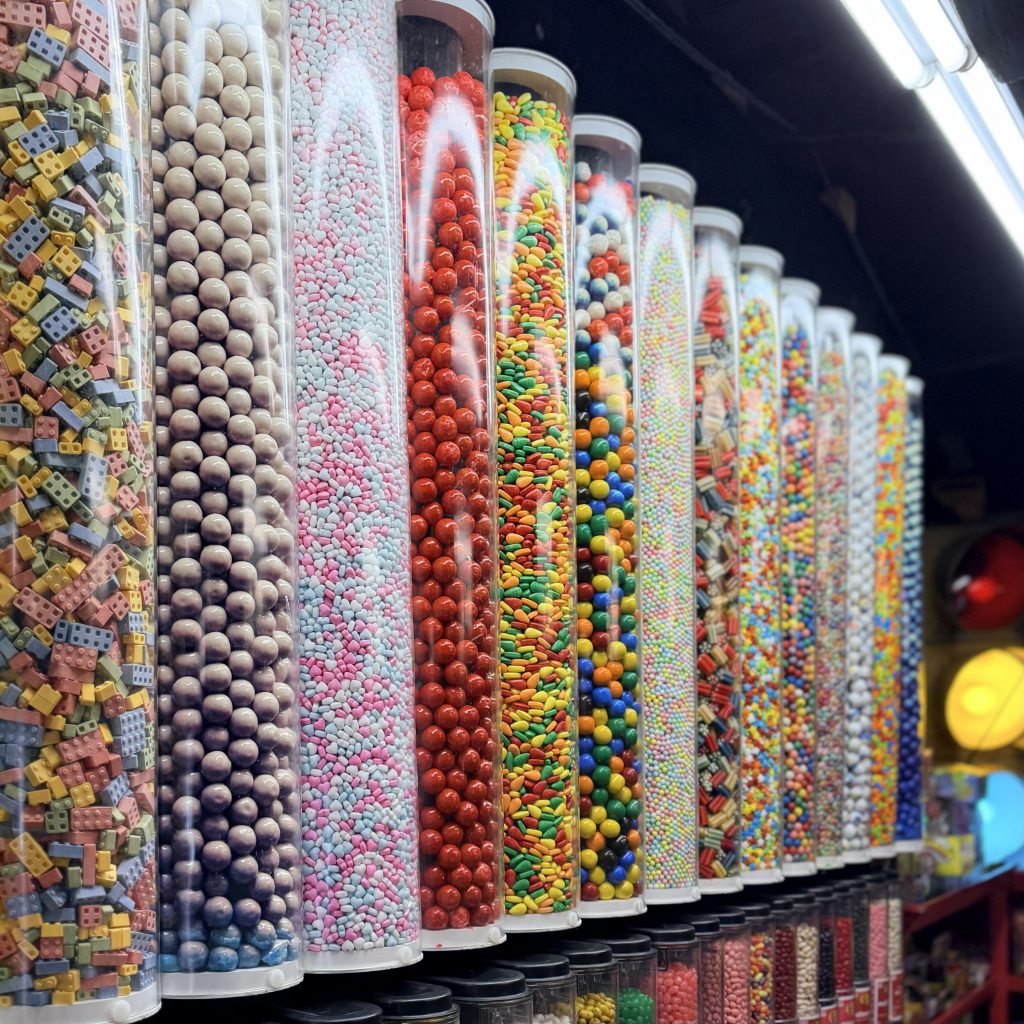
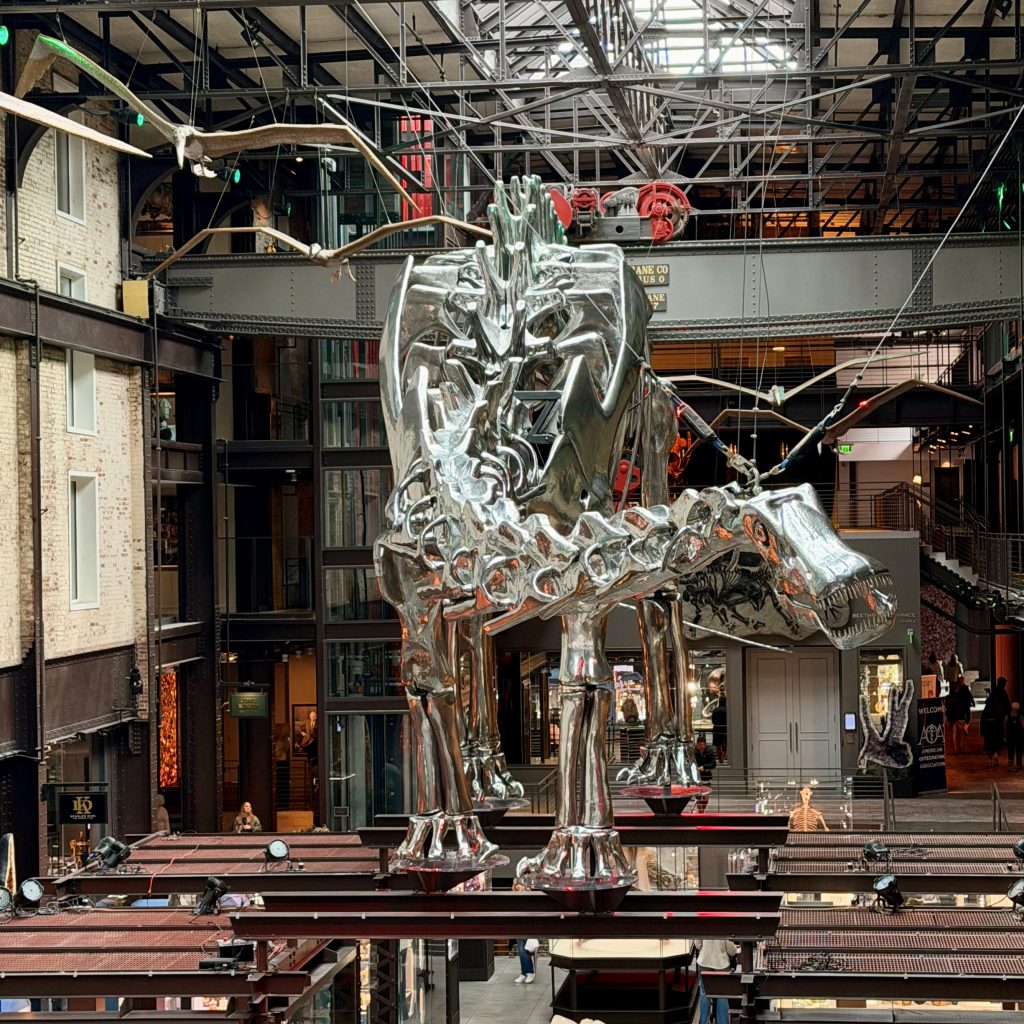
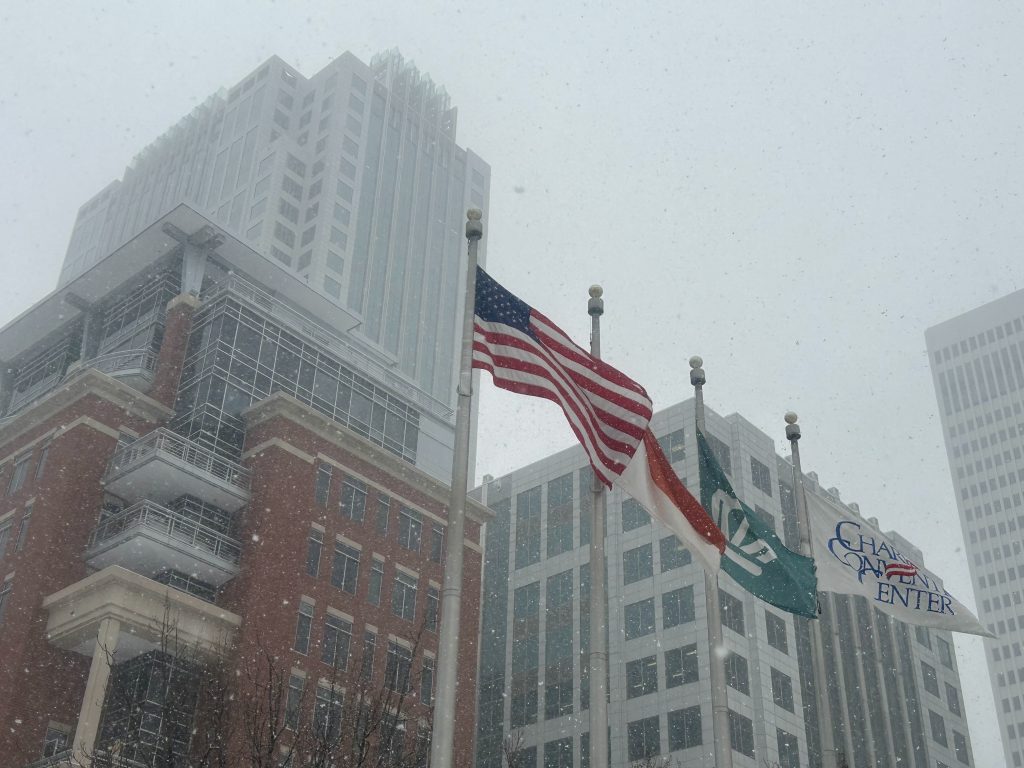
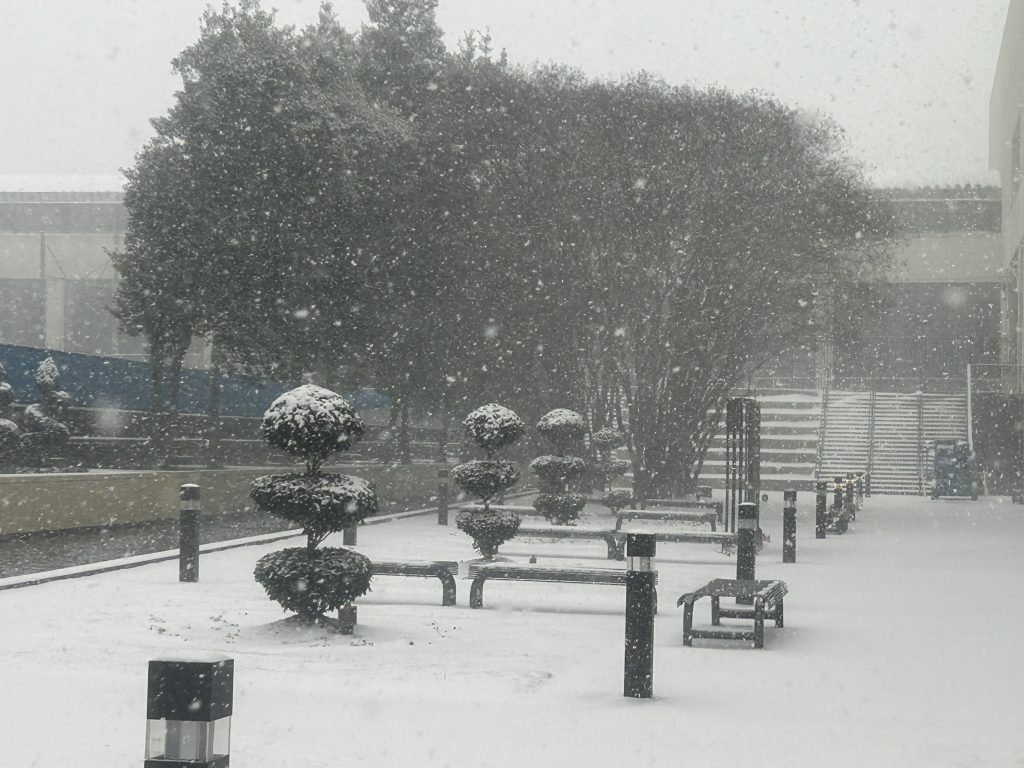
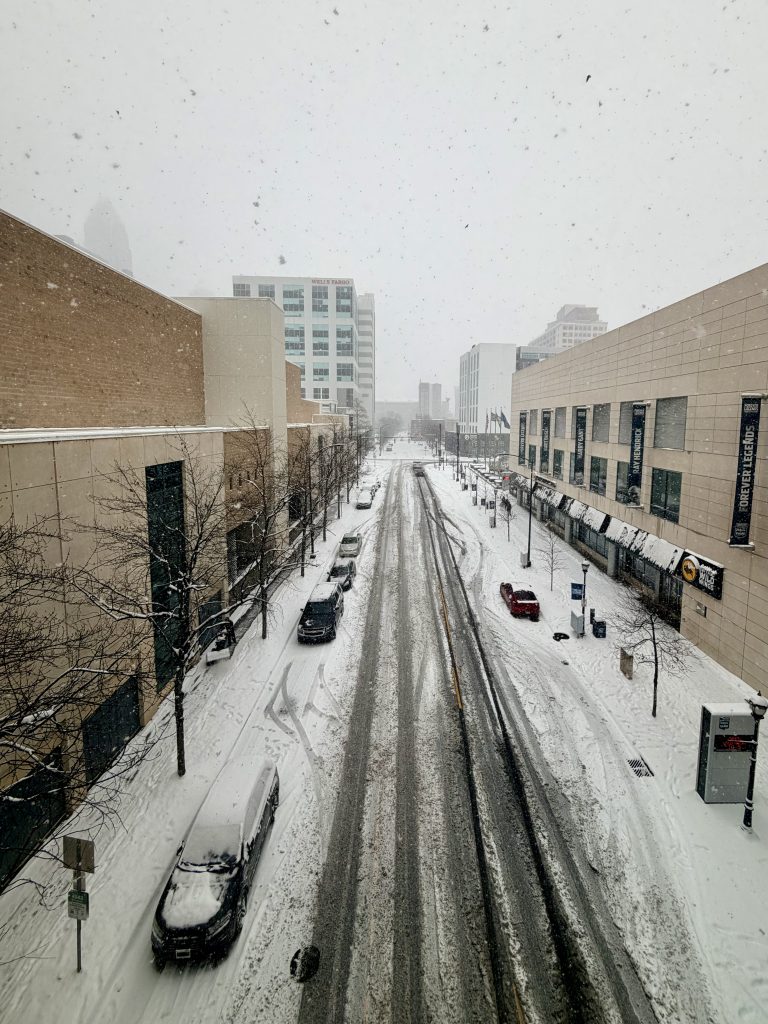
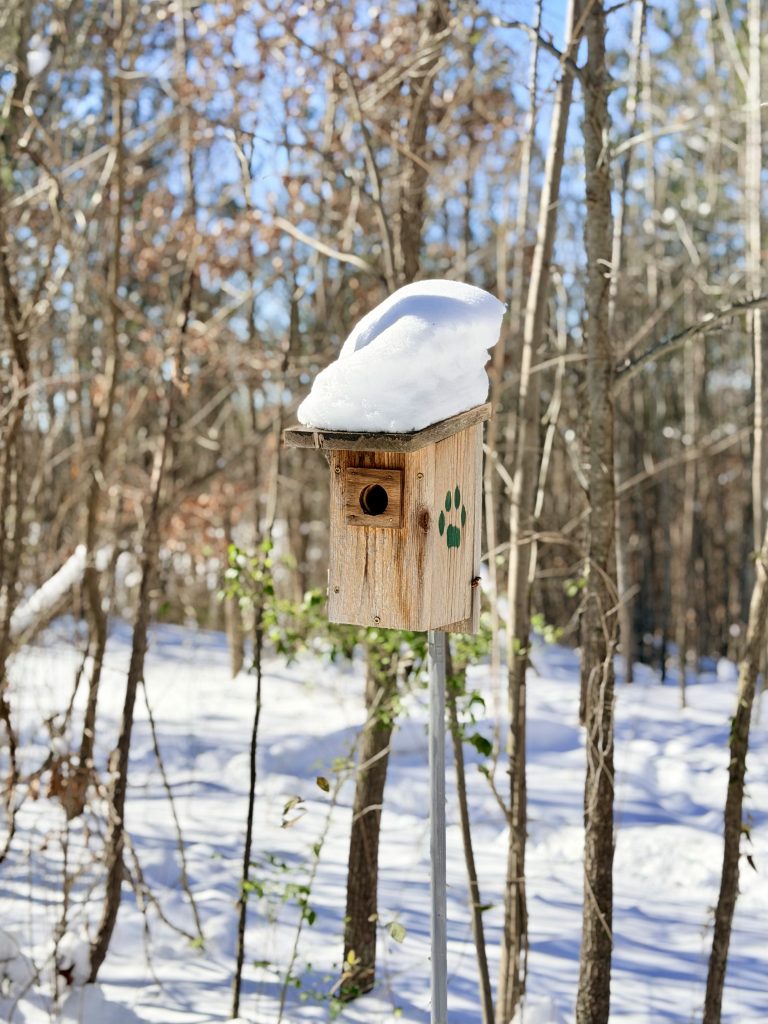
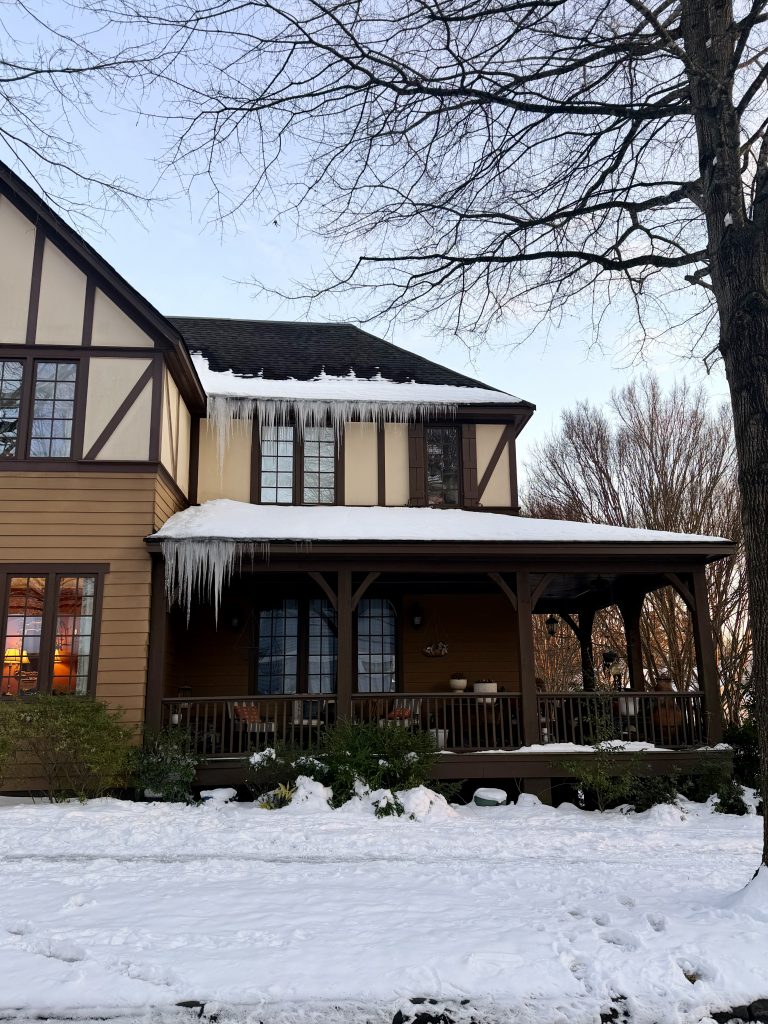
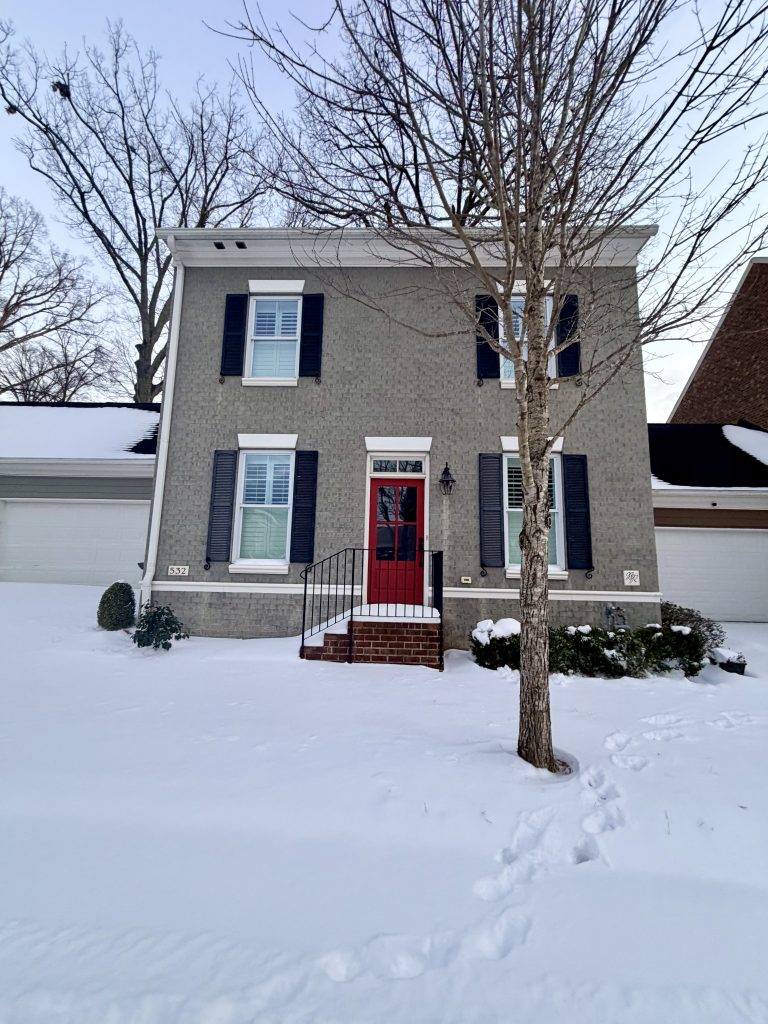
Some of my favorite pictures from the historic snowfall event we had 🙂

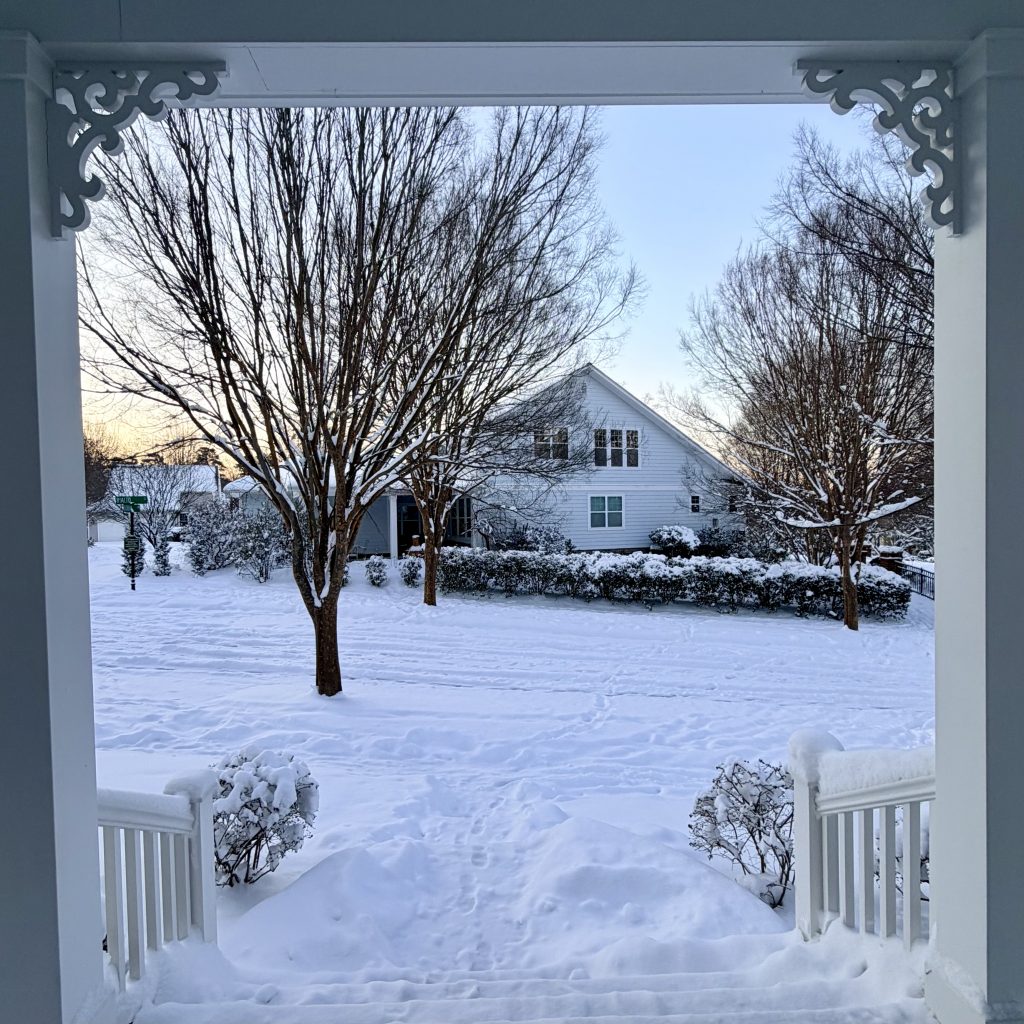

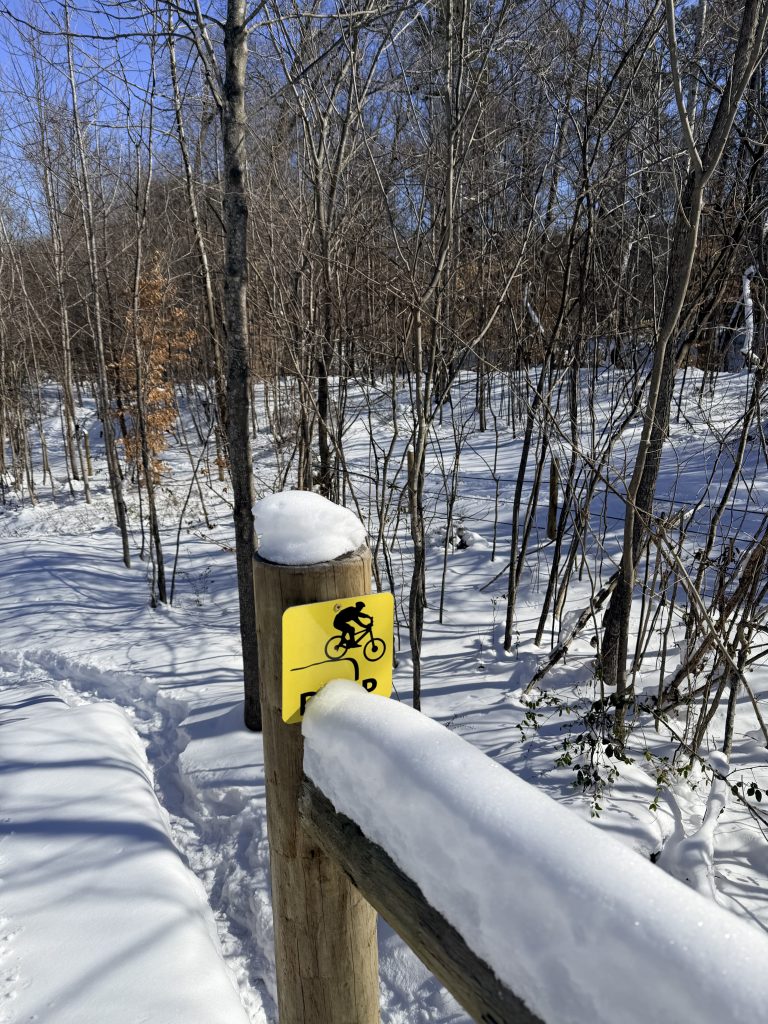
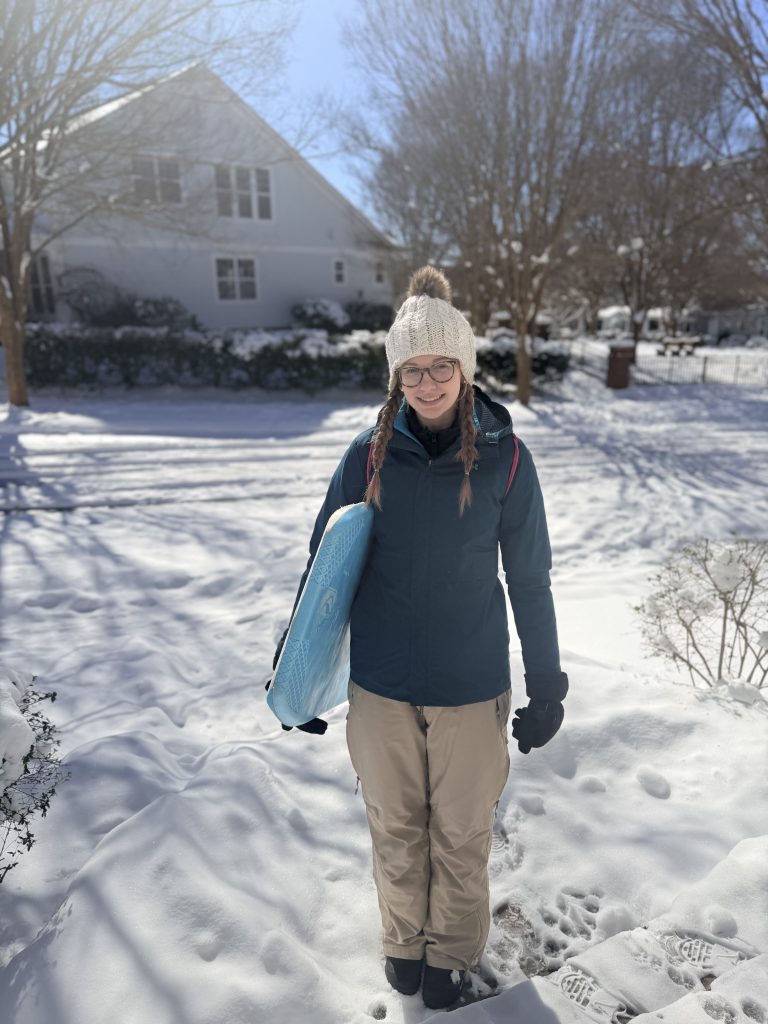
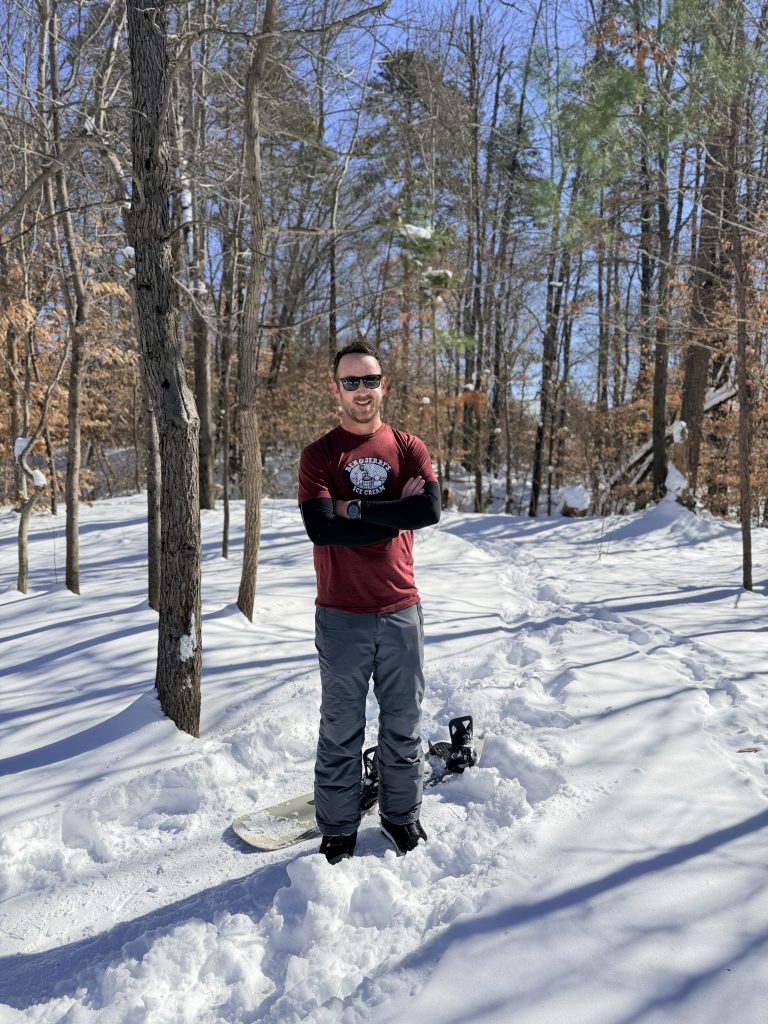
It’s snowing and I needed something to do. So I built a new Node.js library written in Typescript (with the help of Claude!)
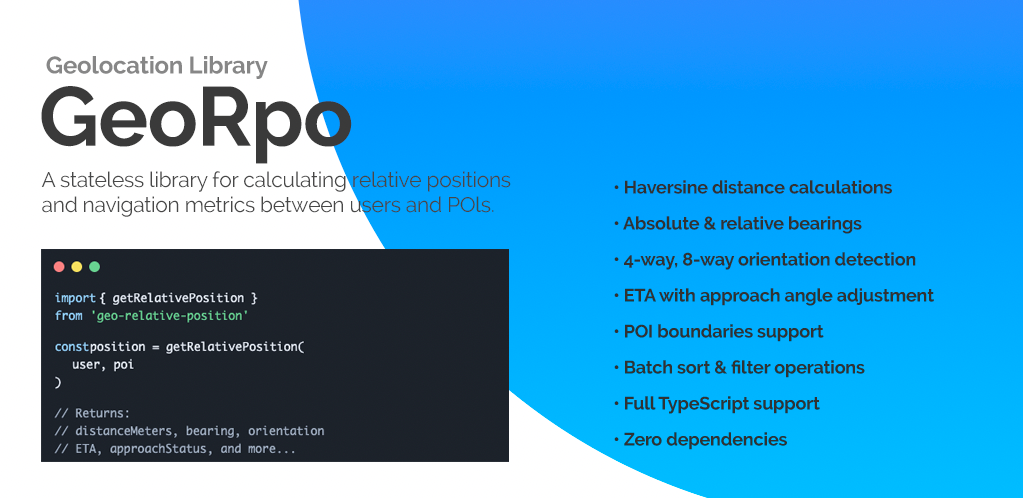
Context: In the Journey app, I wanted a way to inform users of interesting POI’s in relation to where they were. For example, I am (standing | walking | cycling | driving) from point A to point B, there is an interesting story I want to hear about, in relation to my co-ordinates, bearing and speed, where is the POI in relation to me. This allows me to customize the story for the user. For instance: You may have just passed X, or, on your right is Y, or, about 2 miles to your south is Z.
The purpose of this library is two fold: One it personalizes the story to create a USP and two it gives context to the user as to where the POI is, in relation to themselves. Should they be looking out the window? Or Just understand that the POI is in the general vicinity. Piggy backing off that, the user can decide if they want to stop, explore or if close enough, take a detour to visit or view that POI.
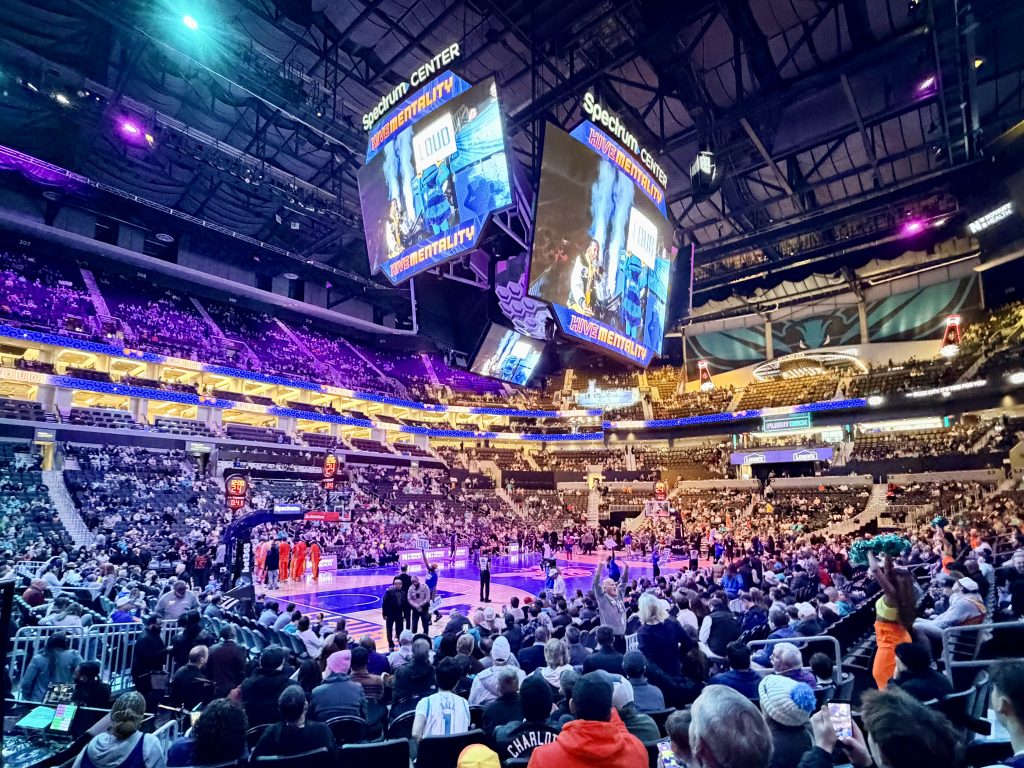
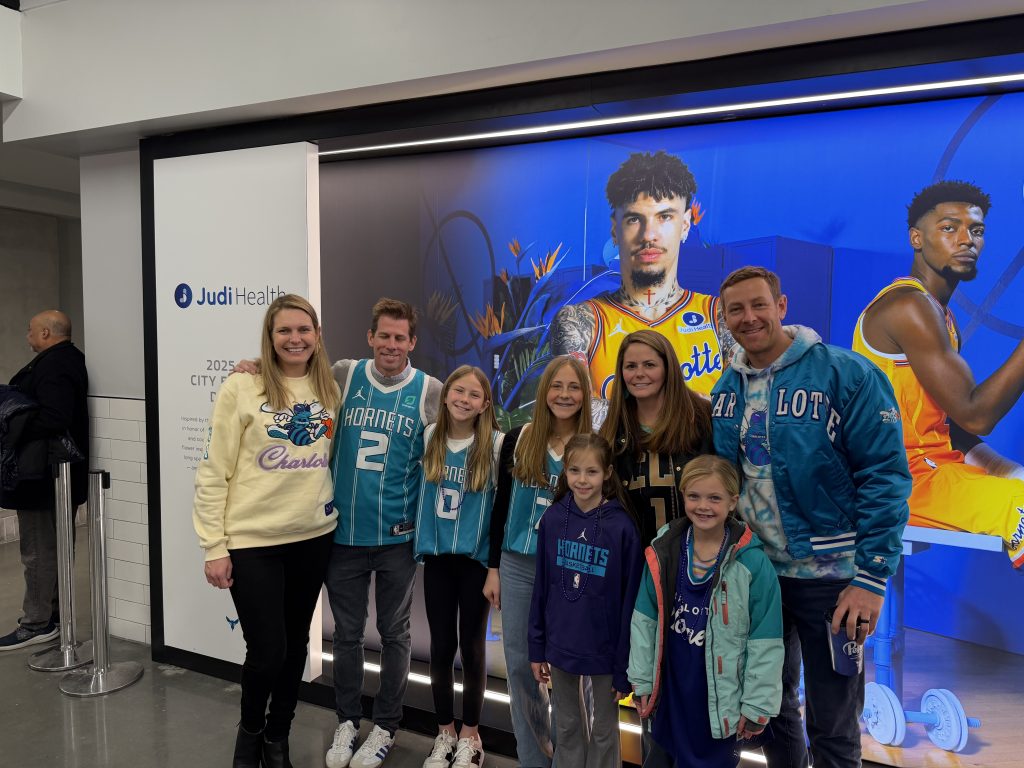
Celebrating J’s birthday at a fun Hornets game vs Washington Wizards.
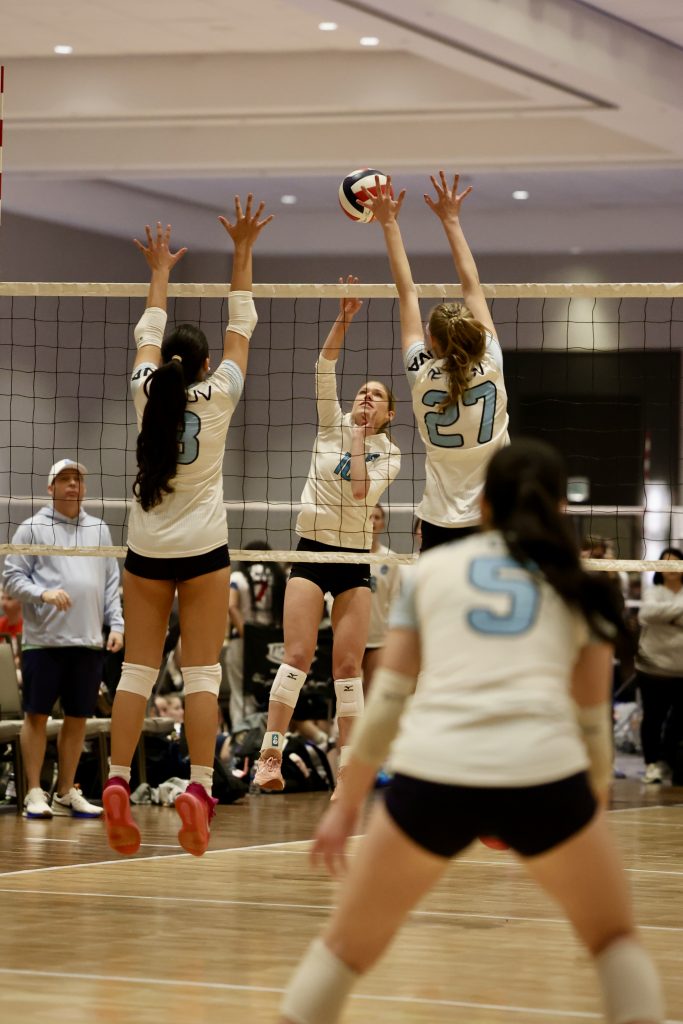
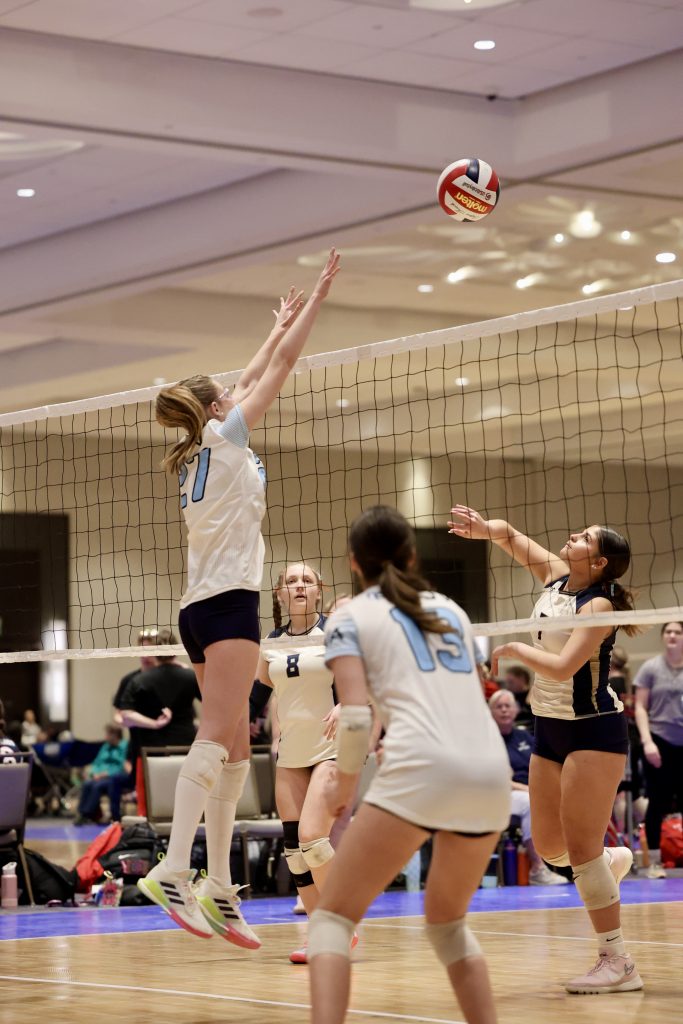
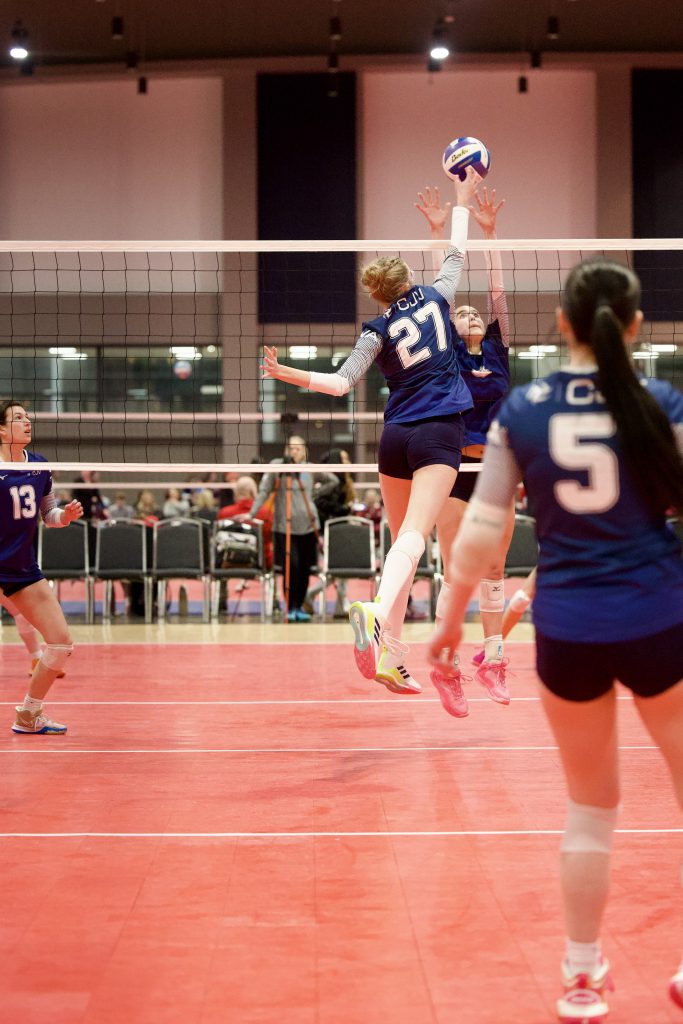
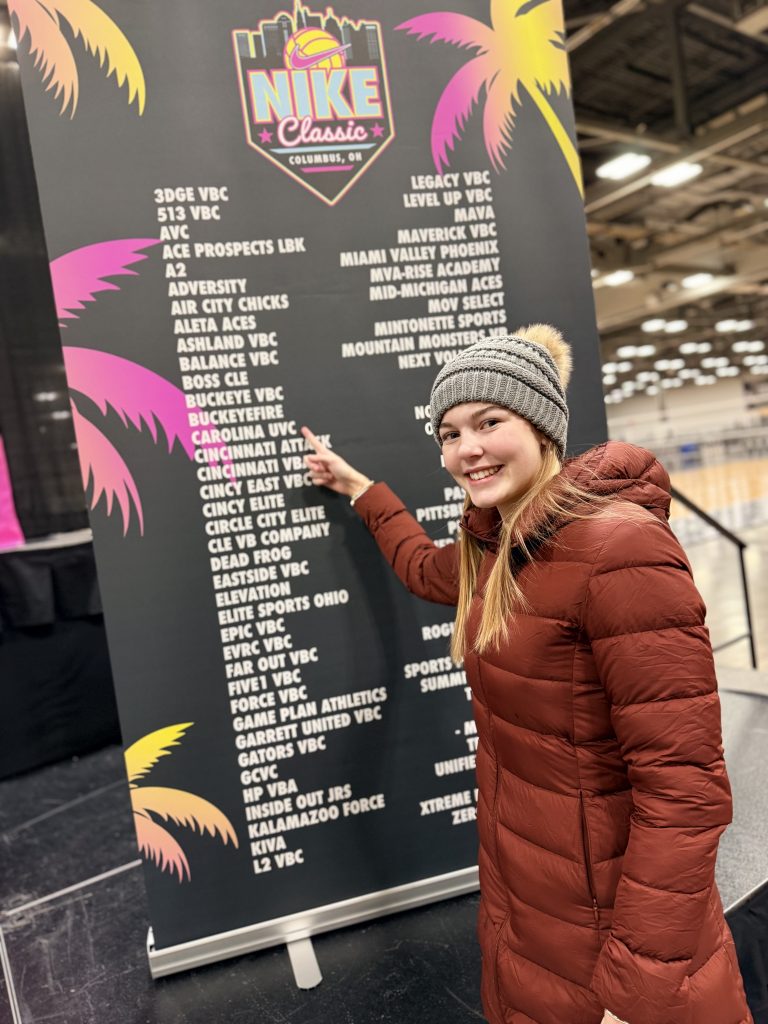
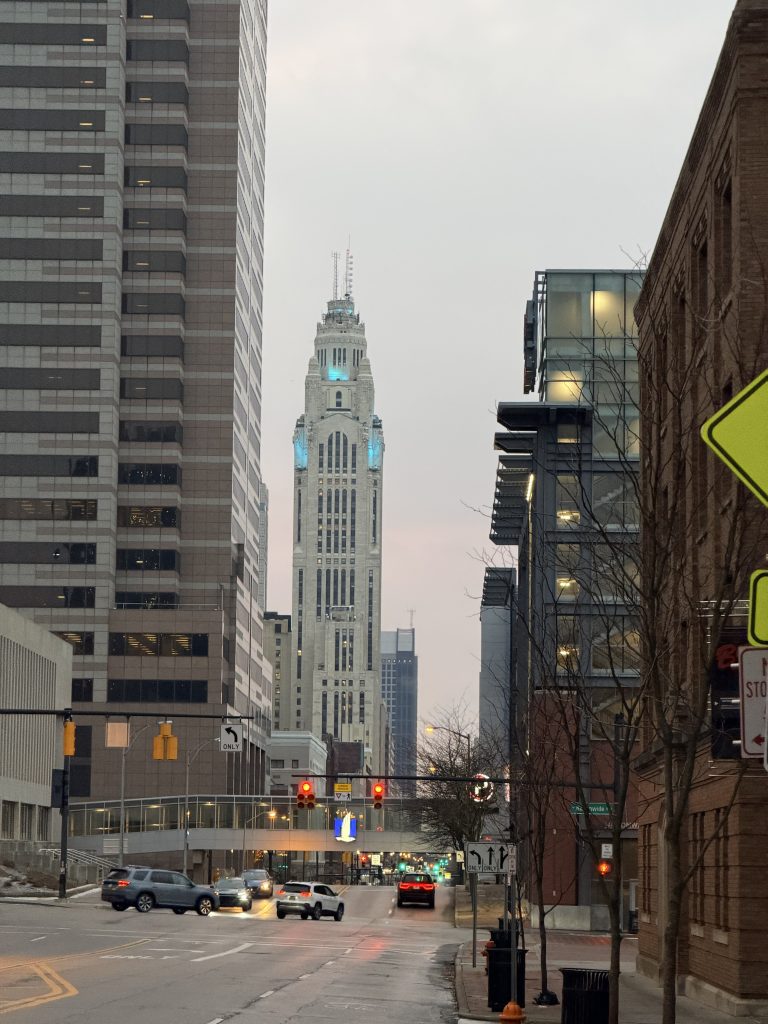
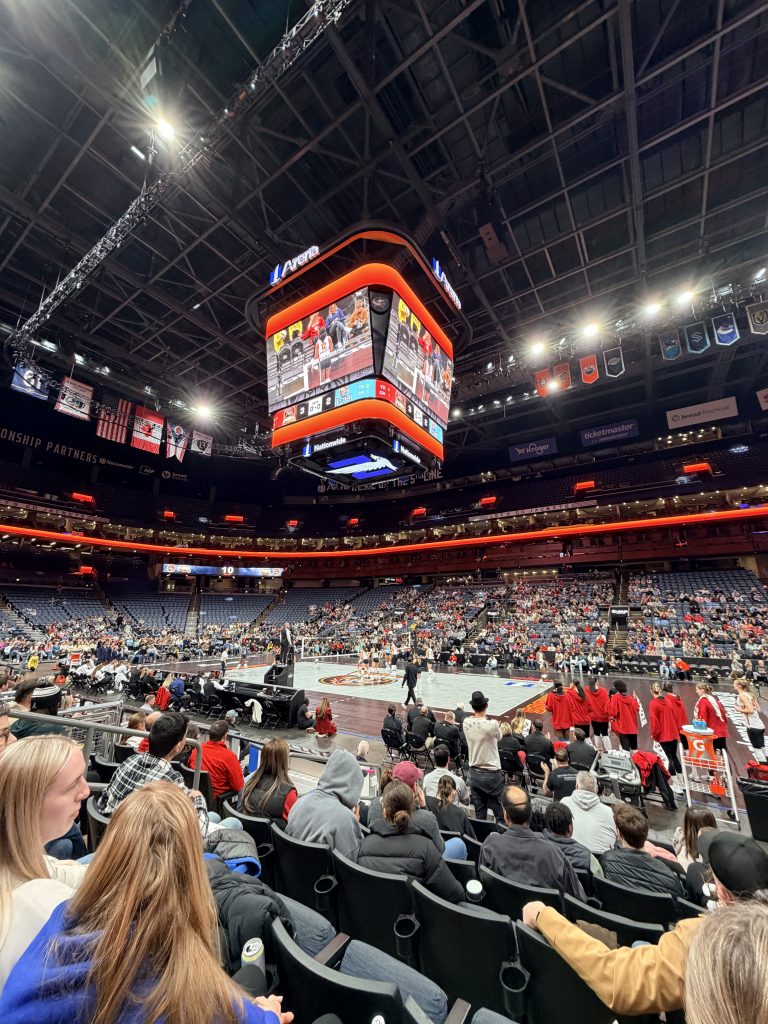
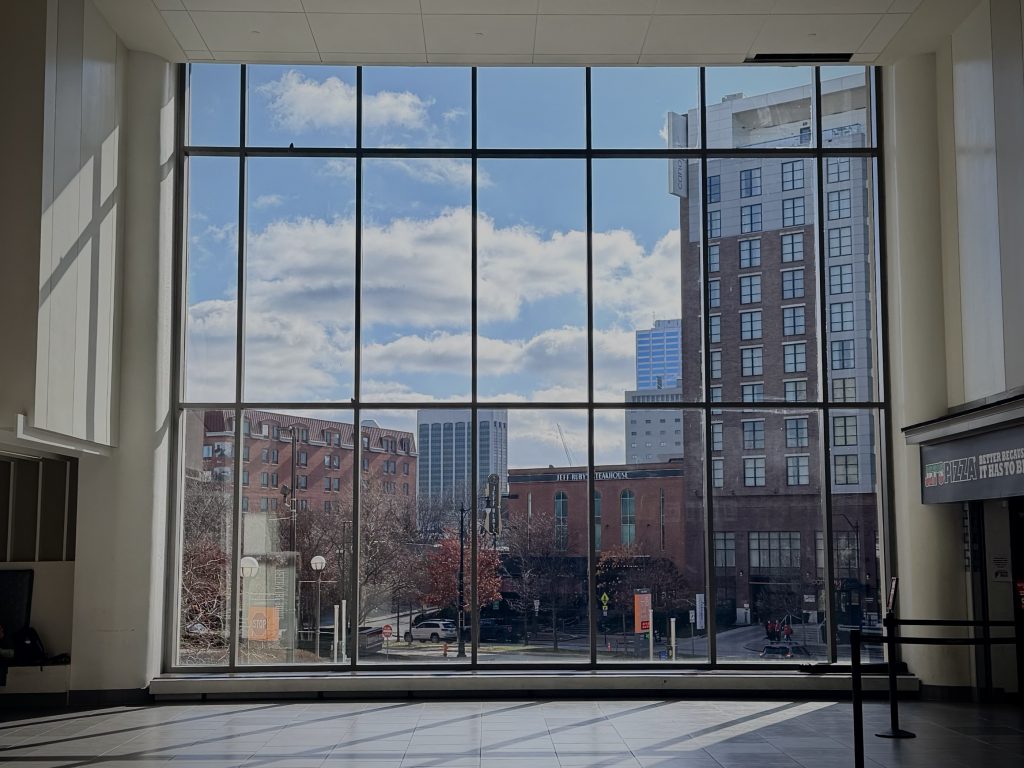
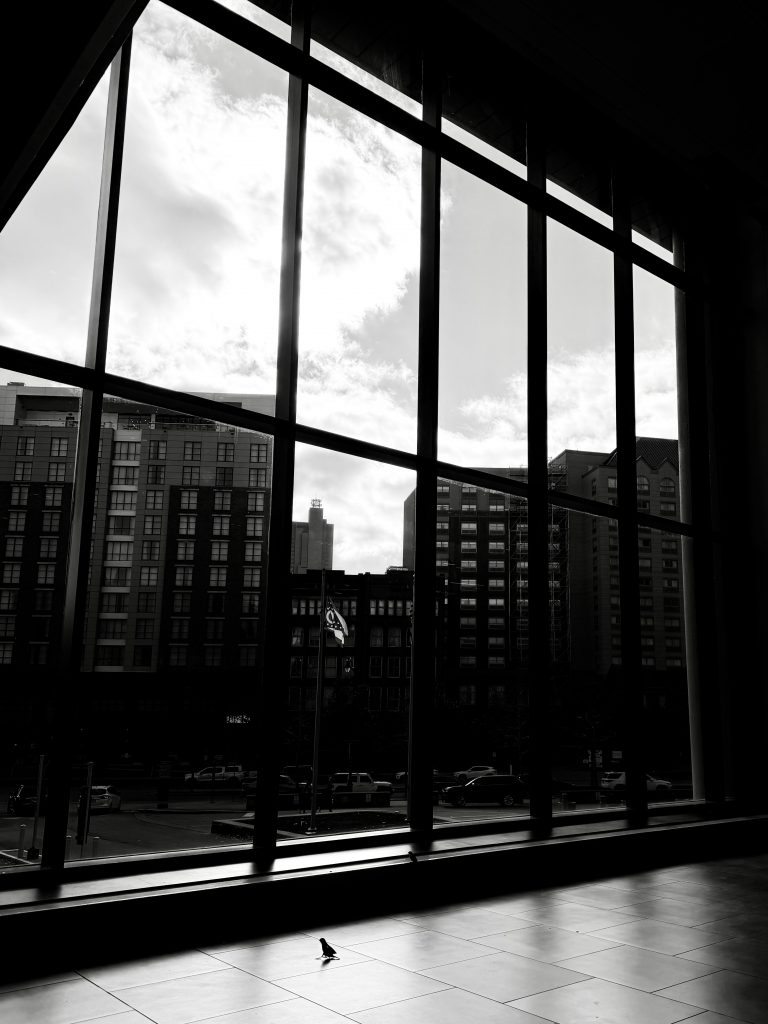
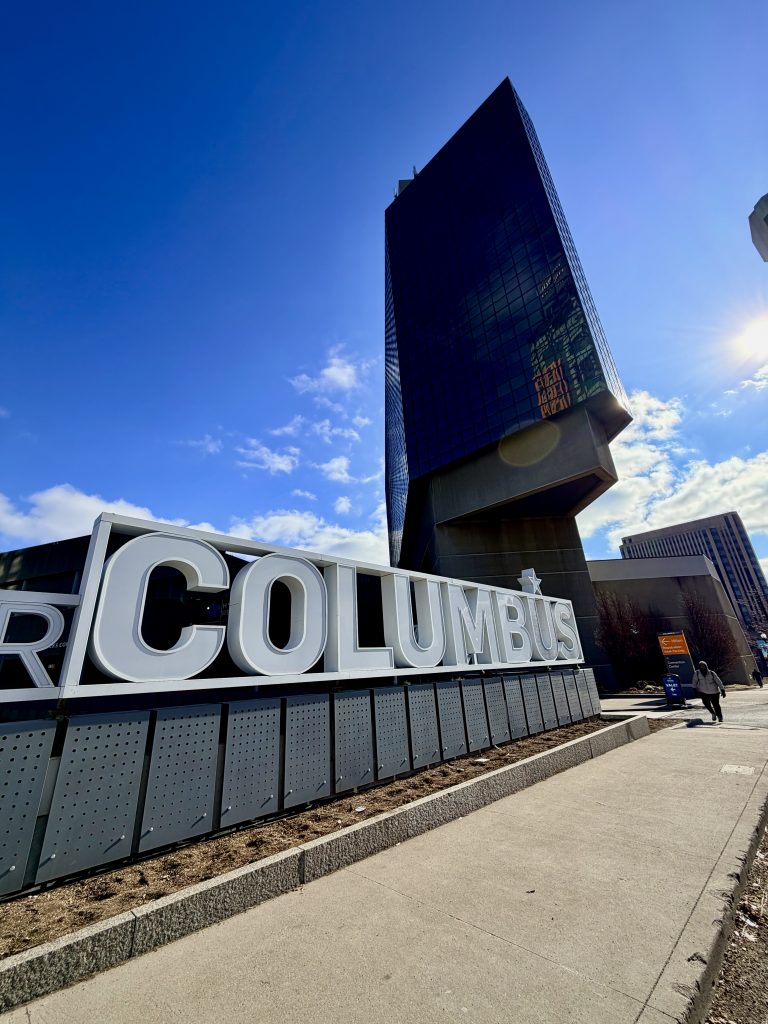
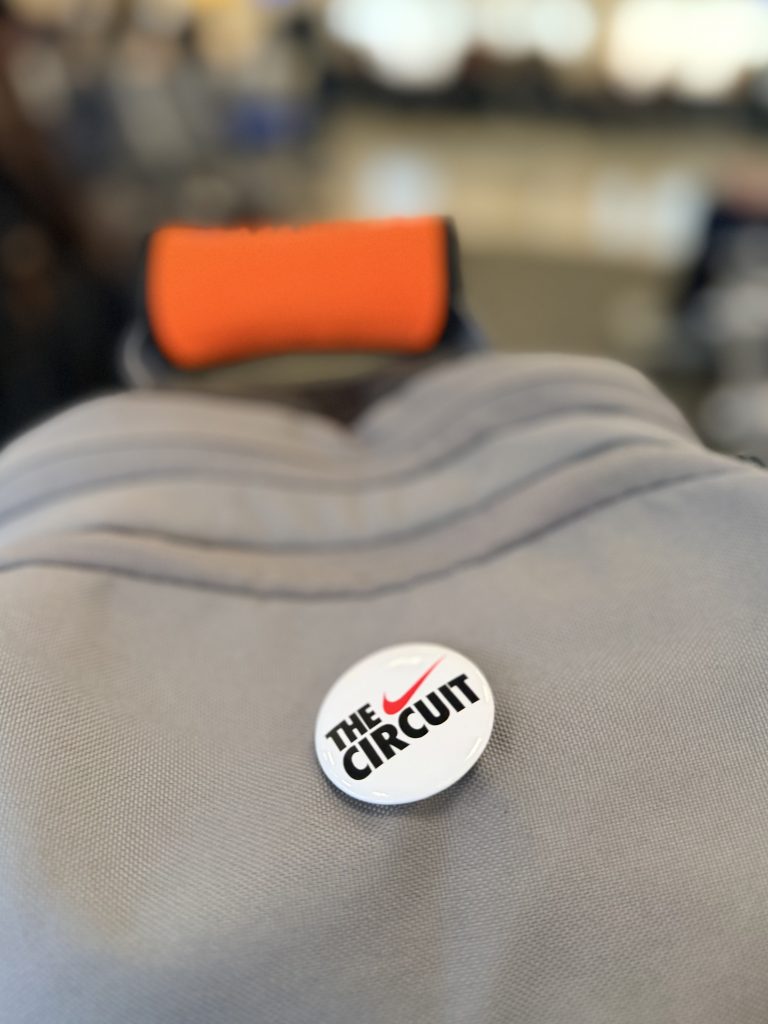
A fun trip with Ella to Columbus, Oho for the 2025 Nike Classic Volleyball Tournament.
The team went 5-3 for the weekend and they lost in the Silver bracket final on the last day.
You must be logged in to post a comment.