Bookmarks: Emerging Architectures for Modern Data Infrastructure

As an industry, we’ve gotten exceptionally good at building large, complex software systems. We’re now starting to see the rise of massive, complex systems built around data – where the primary business value of the system comes from the analysis of data, rather than the software directly. We’re seeing quick-moving impacts of this trend across the industry, including the emergence of new roles, shifts in customer spending, and the emergence of new startups providing infrastructure and tooling around data.

In fact, many of today’s fastest growing infrastructure startups build products to manage data. These systems enable data-driven decision making (analytic systems) and drive data-powered products, including with machine learning (operational systems). They range from the pipes that carry data, to storage solutions that house data, to SQL engines that analyze data, to dashboards that make data easy to understand – from data science and machine learning libraries, to automated data pipelines, to data catalogs, and beyond. read more
Working with Bluetooth for iOS Applications

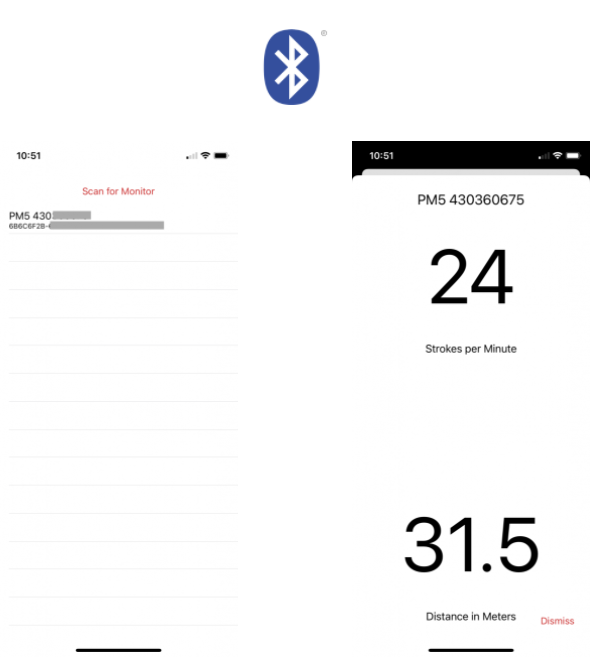
I recently purchased a Concept2 rower and started doing some indoor rowing to change up my workout routines. I was considering developing a live rowing platform to compete with friends and make the workouts more interactive. It turned out there were already a few options on the market, so I shelved the idea.

But, since the Concept2 allows 3rd party connectivity, I still was curious how integration, discovery, and notifications would work from an iOS device. I was able to find a nice SDK, but it was considerably outdated (5 years) so I decided to use that as a foundation and port the application to Swift 5 and get it working for anyone else interested in developing a rowing app for iOS. read more

GE Healthcare: Design Thinking in the NICU

I have been exposed to design thinking in a variety of ways over the past 13 odd years. From conferences, startups and projects – I have used the framework to develop and build services, software and hardware which incorporates one of the most important elements in the design: empathy.

Empathy ensures that the designers, developers and creators of these products “walk a mile in their shoes” and put the users at the center of the development lifecycle rather than technology, limitations or costs.

This TedX talk is a nice example of empathy in something critical that all of us can in some shape or form relate to, which is being born. The video centers around the design thinking process which went into the design and development of Neonatal Intensive Care Units and the equipment which nurses and parents have to deal with when a child is born prematurely. It is a great example of how empathy was an integral part of the process from start to finish. read more

TrainingMatrix.app

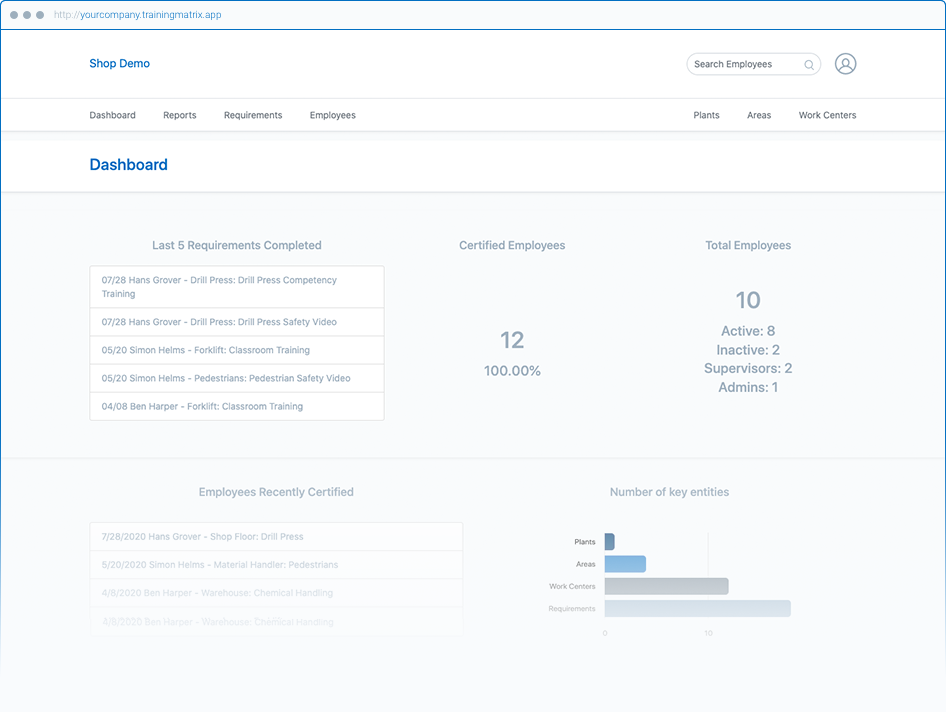
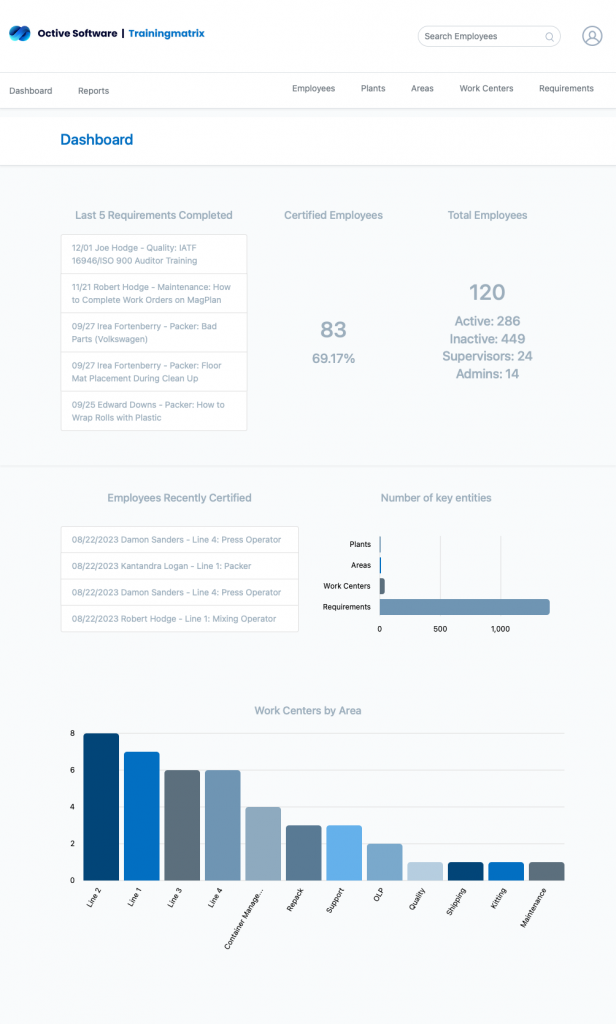
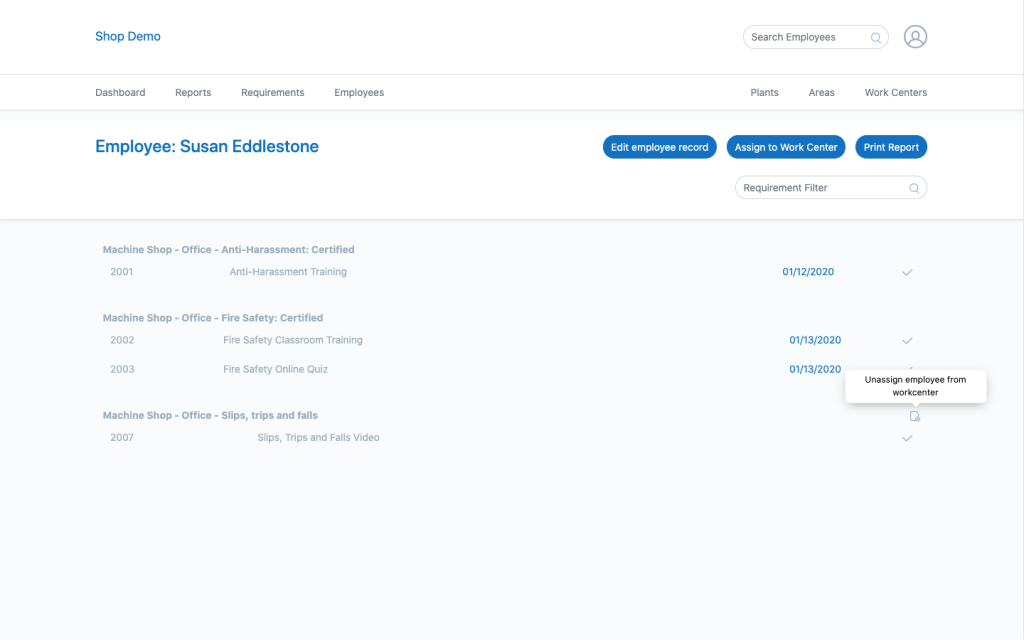
Training matrix was built from a customer demand/requirement, essentially it is a web app providing a way for a companies to track which equipment employees are authorized to work with, or operate. It falls in the employee training management software space, but not necessarily a tool for conducting the training or hosting it, like a traditional Learning Management System.

The reason the name of “Training matrix” came about is that managers or supervisors can get a concise overview of which employees are trained to work in various work area, in a matrix like view.

#IBM Quantum Challenge

I just got finished submitting my last optimization circuit for the 2020 IBM Quantum Challenge. It was a hectic 4 days of spare time working through their challenges but very rewarding. It’s amazing what a small concept like a “Challenge” can do for your motivation to understand more about a technology or field, but to me the size of Quantum Computing community seems to have, all of a sudden, grown larger.

There have been over 5 billion circuits run against IBM Q, 1,745 participants, over 1000 people in a Slack channel who were sharing, bantering and encouraging their peers and a considerable amount of learning about circuit optimization. If I had only brushed up on my linear algebra I think I would have done a little better 😉 read more

Side Project: qubit²

Over the past couple of years I have had a keen interest in quantum computing and the optimism of its benefits over traditional computing methods. I have read countless papers, articles and spent a considerable amount of time deciding how I would explain it to a 5 year old.

ELI5: A normal computer is like a light switch is either on or off. A quantum computer is more like a dimmer switch, it can be partially on, or partially off.

It’s overly simplistic but gives a simple understanding of the potential states that the device can be in. I also wonder how I would explain QC to friends or technology friends. Trying to find the right words that quantify both its elementary simplicity and its quantitative complexity is difficult, especially when you yourself don’t fully grasp it. But like other technologies, the best way to learn is by doing … experimenting, researching and proofing. Leading to your own understanding and comprehension of existing anecdotes and theories or new ones. read more