Personal collective of ideas, thoughts and notes

This was a fun small side project inspired by the Microsoft POC and a mashup between Facebook, social media feeds and events. I had a vision that event attendees and fans could collaborate and share media, news and happenings directly at and during a live event.
This was one of my first code based implementation of a “live” timeline. The app was PHP based with a mySQL DB, the UI was all custom designed and coded.
A draft list of projects which I worked on when I started Lithium Labs, many of which were in the enterprise app space.

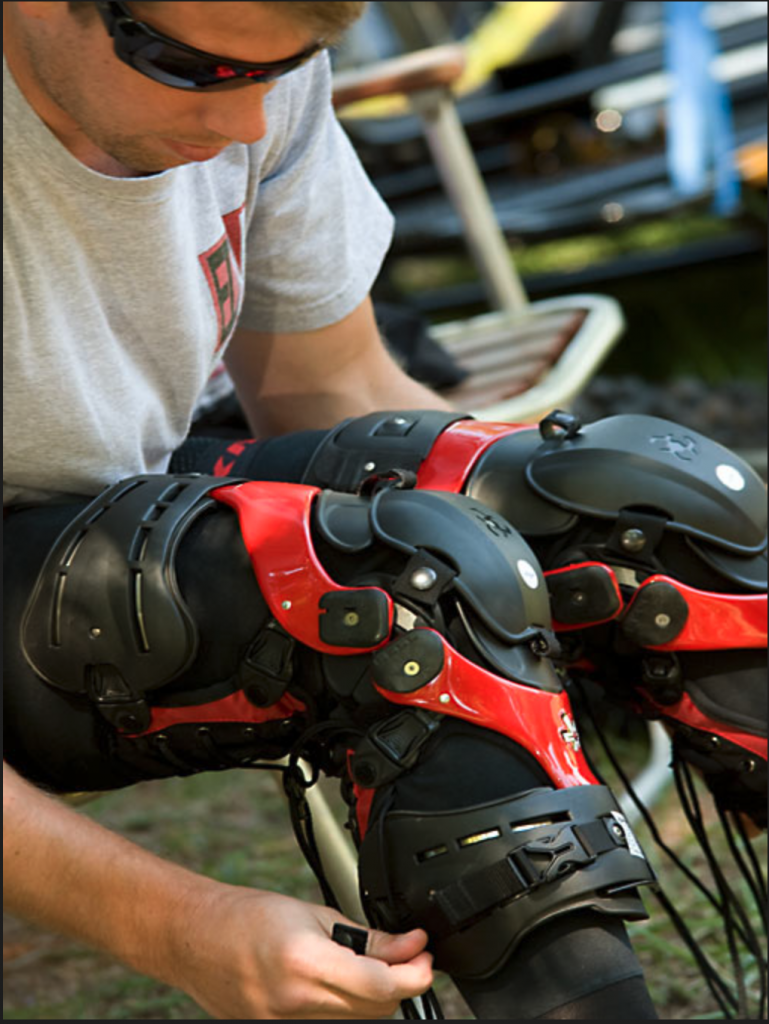
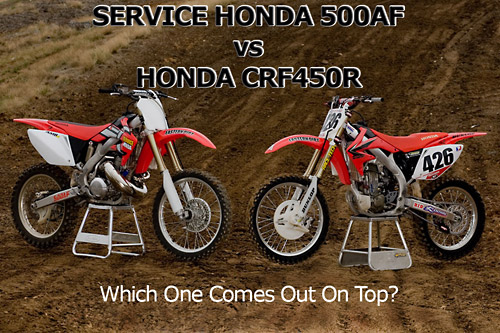
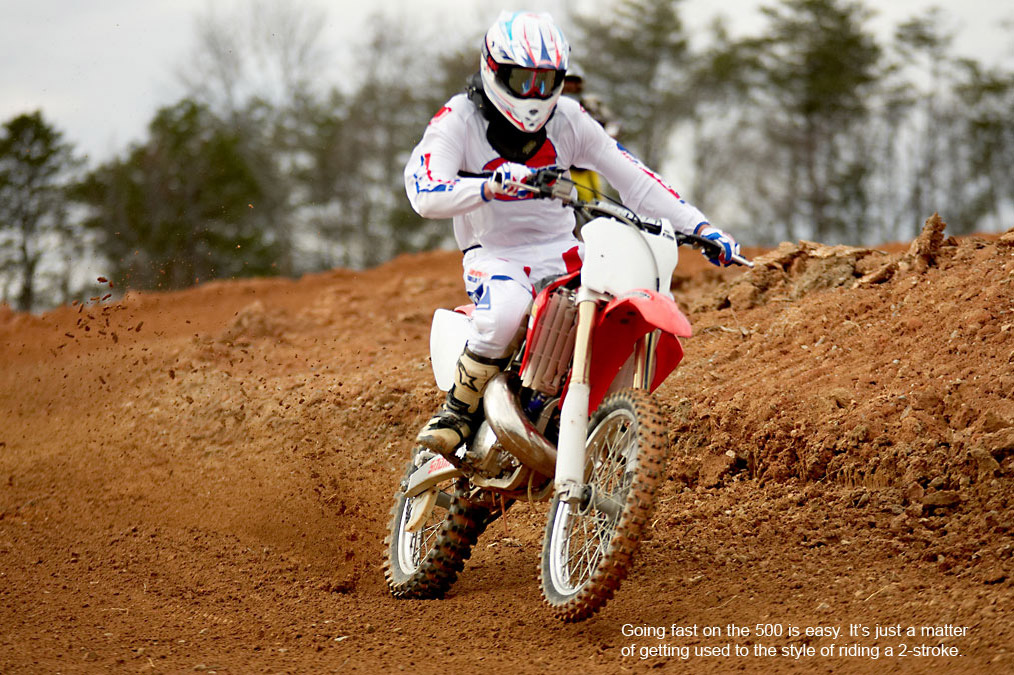
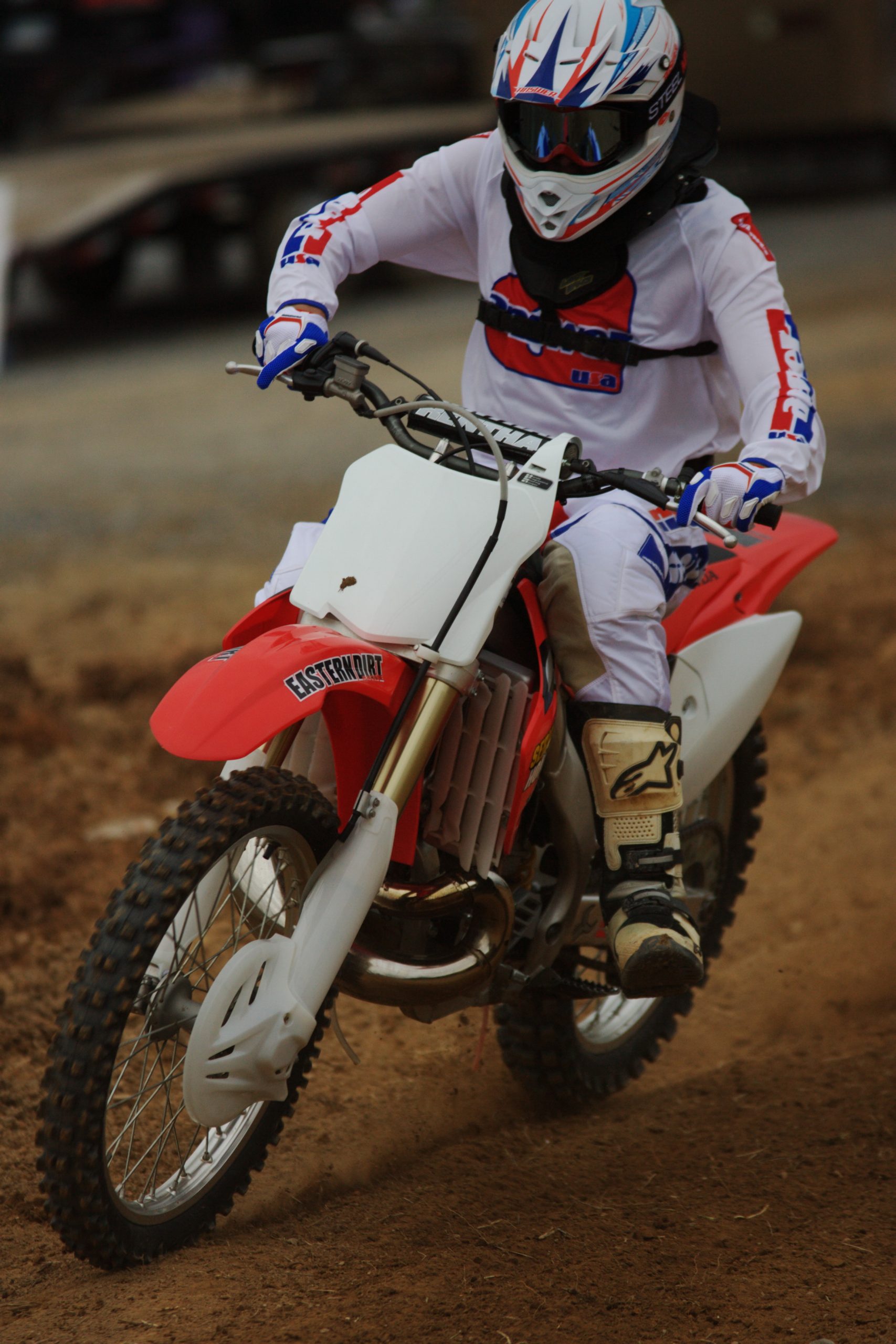
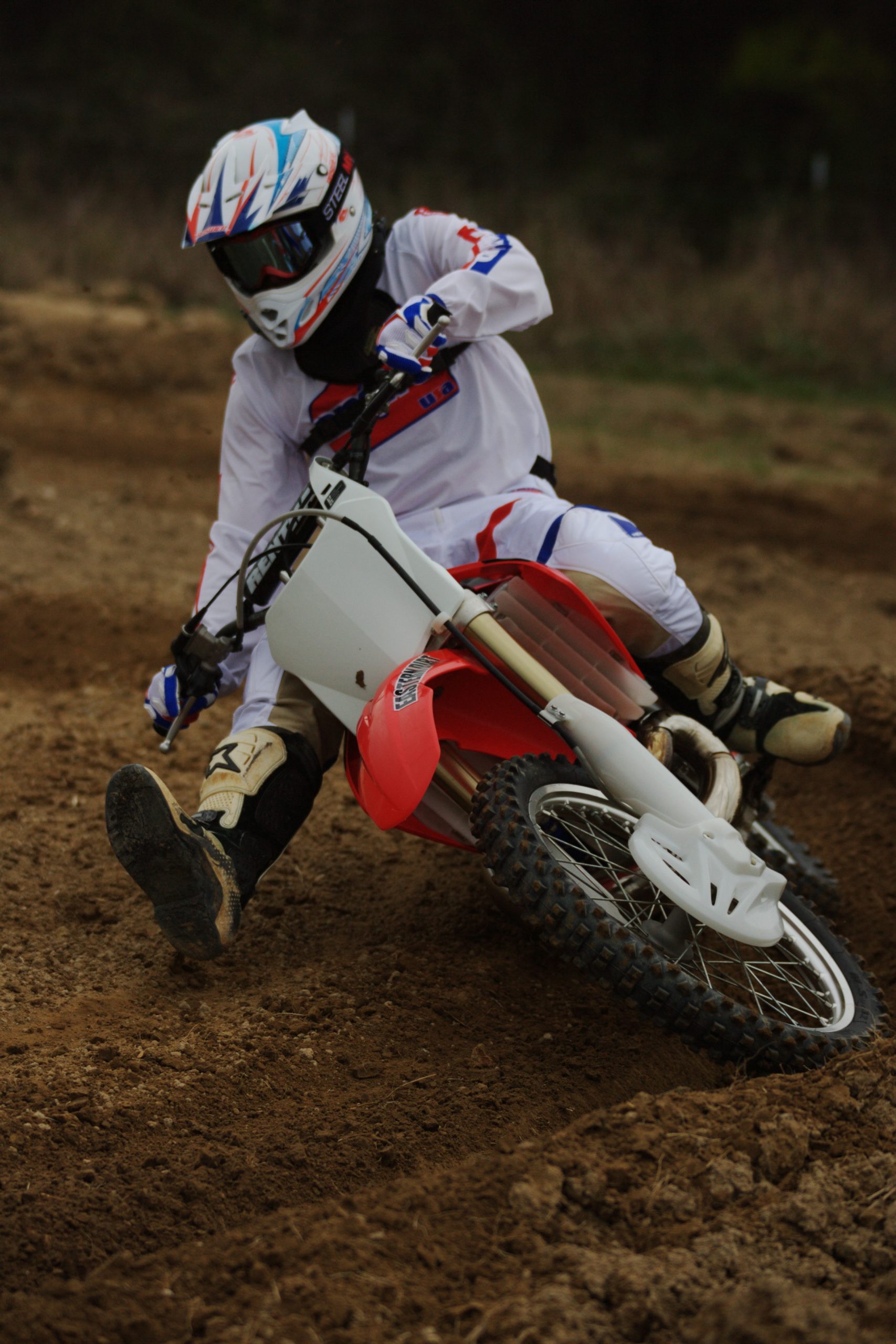
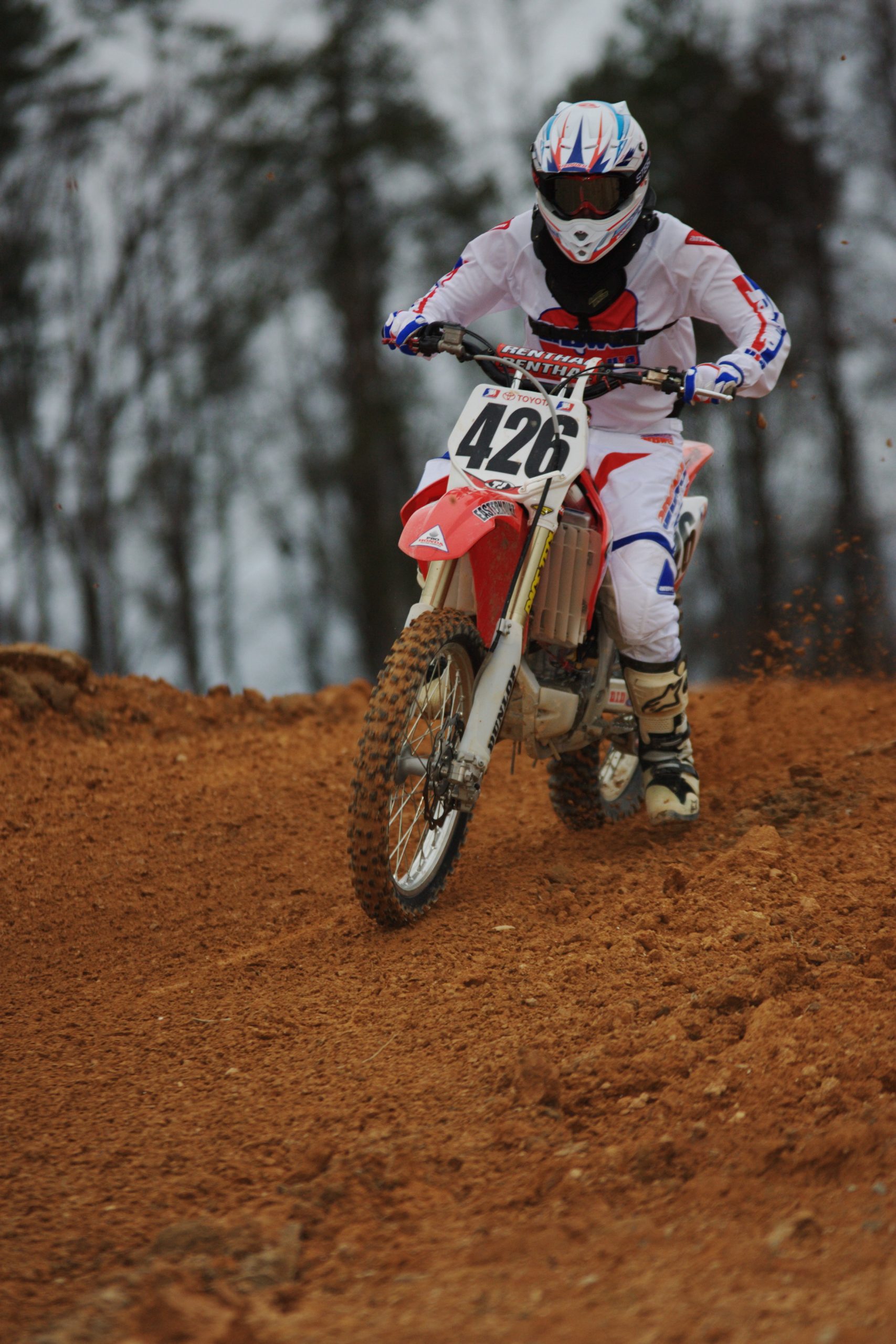
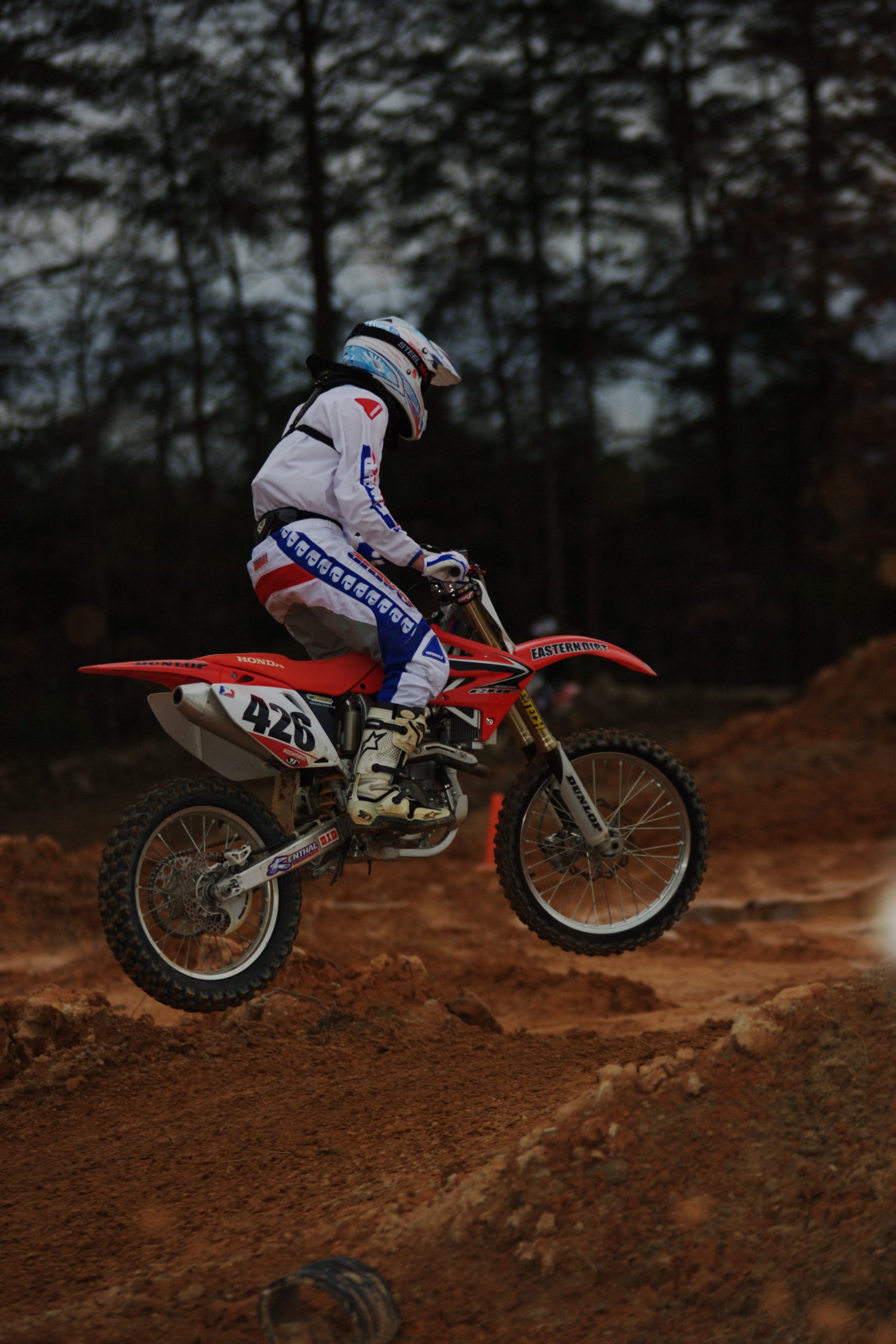
February 2009 at Trick Tank in South Carolina doing a comparison between the CRF450 and CR500.



This was my first “public” speaking opportunity with ASUG (Americas SAP User Group). I shared some details about the SAP Implementation which I lead as a project manager. I really enjoyed the opportunity and it spark my curiosity, desire and interest to speak at more conferences.
ASUG-v2-Incl-NotesDownloadShortly before Charlotte being born, I recognized that there were quite a few US websites focused on support moms going through their journey of pregnancy, and the early years of of raising kids. Trying to emulate this for the South African market and emerging internet base, I built momz.co.za.
The page title was “Helping South African Moms with pregnancy, recipes, food, forums, safety and kids”
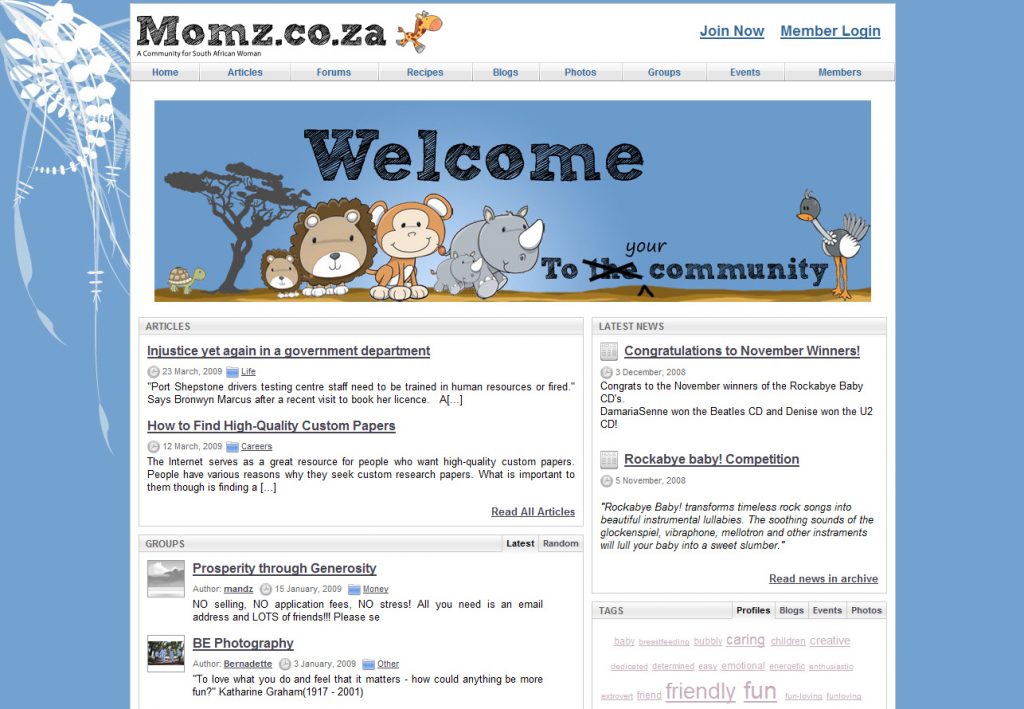
Technology wise the product was built using the community platform Dolphin, from Boonex. It is a great product and had multiple social media aspects available out of the box along with features like forums, blogs, groups and news, which was perfect for launching this community.
You must be logged in to post a comment.