


Personal collective of ideas, thoughts and notes
This is part 3 of my blog series called: “Building a start-up in the SAP HANA space“.
What is considered a “Startup”?
“A startup is a company working to solve a problem where the solution is not obvious and success is not guaranteed”
Neil Blumenthal, cofounder and co-CEO of Warby Parker.
Startup or Side Project?
To me, the big difference is your expectations. Generally in a side project, you have little or no expectations of financial reward or success, these projects are a labor of love and something which is intended to help a community or yourself to achieve a goal. Don’t get me wrong, it could also include financial incentive, like getting paid for your time or materials. A startup is not much different, they too are a labor of love, and command a considerable amount of attention and dedication, however, your goal for the venture is some form of success. This goal is to generate revenue in some shape or form, and often it comes with the pressures of operational overhead, tight release schedules and financial burden.
A list of Ted Talks which have inspired me.
This is part 2 of my blog series called: “Building a start-up in the SAP HANA space“.
Over the past 15 years, I have developed a variety of applications. Web, mobile, some in the startup realm, some just as side projects, customers projects, partner applications, and the list goes on. Although if there is 1 common denominator across all of them, is that I generally started to write code, before I knew *exactly* what I was going to build. Looking back, I realize why I did this, and generally it was because of all the enthusiasm I had for wanting to make something work, bringing something to reality and showing it *is* possible.
metric² was no different, of course I learned a few things over years, but since I was working with a newer technology, I was keen to get my hands dirty and see what was possible. Before I got started, I put together a list of core features, a technology stack, frameworks to be used, and how it should all be integrated. I thought I was doing things “differently” than before, by starting out with a sure fire plan to develop something which was going to win. But I missed one of the most important topics, my “Value Proposition”.
I have some fond memories of a television series from the BBC called “A Car is Born” a 15 episode show where the presenter, Mark Evans painstakingly builds a AC Cobra replica. The show highlighted his experiences, trials and tribulations of building something from the ground up.
At TechEd 2014 in Las Vegas I gave a presentation on being a part of the SAP HANA startup program, developing a product, and trying to make an impact in the world of SAP HANA. While its been an interesting ride, I really felt that my 45 minutes up at the podium was really not enough to convey the past 2 years of highs, lows, successes and failures. Since that was the case, I thought I would get back to some blogging about my experiences along the road, hoping that I can inspire, dissuade and educate others about my quest, just like the BBC show. If you are a budding entrepreneur, HANA guru or just wanting to gain some life lessons (at someone else cost), I encourage you to read on, and share your experiences through some of your life journeys.
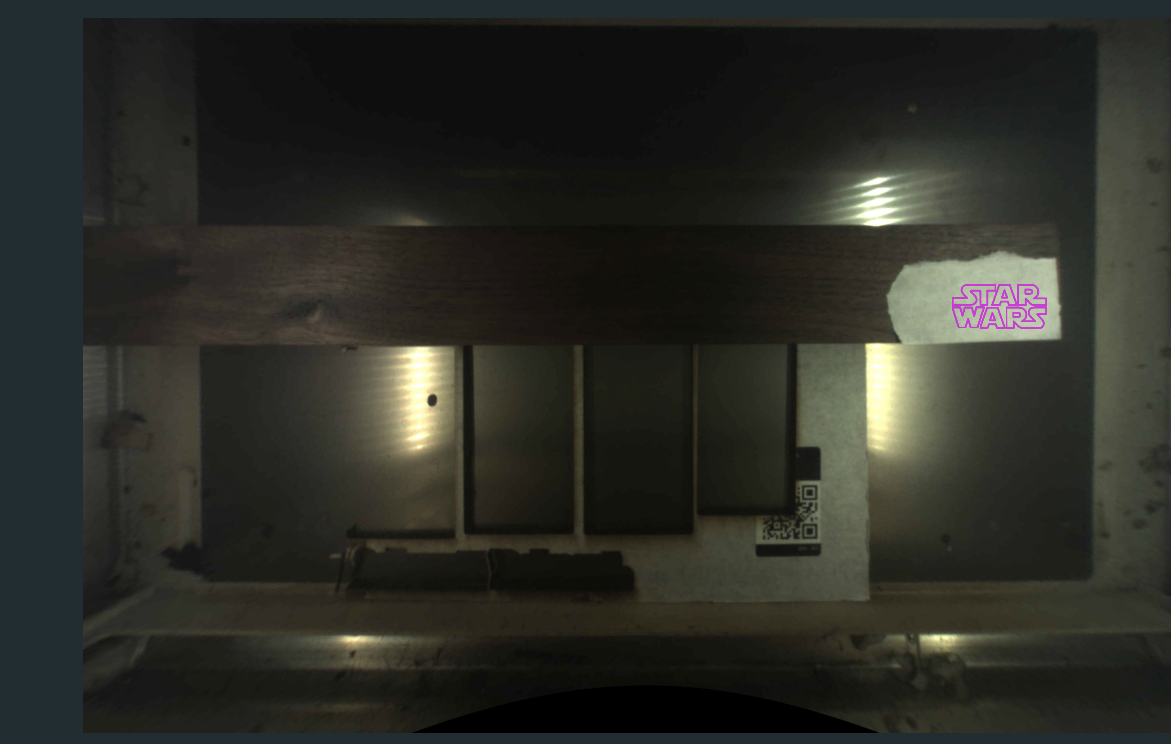
A fun DIY Lego Shelf from Walnut Wood. Some woodworking, finishing and using the laser to mark and brand it. I have made about 5 of them now for friends and family and they always seem to be a hit!
Step 1:
160 -> 180 -> 220 Grit Sanding
Scuff with steel wool (00)
Clean with microfiber
Danish Oil (Walnut)
Step 2:
Scuff with steel wool
Clean with microfiber
Danish Oil (Walnut)
Step 3:
Top Coat
Wax and 0000 steel wool
Step 4:
Laser Engrave Logo
Step5:
Glue Lego Insert




The only way of discovering the limits of the possible is to venture a little way past them into the impossible.
Arthur C. Clarke
You must be logged in to post a comment.