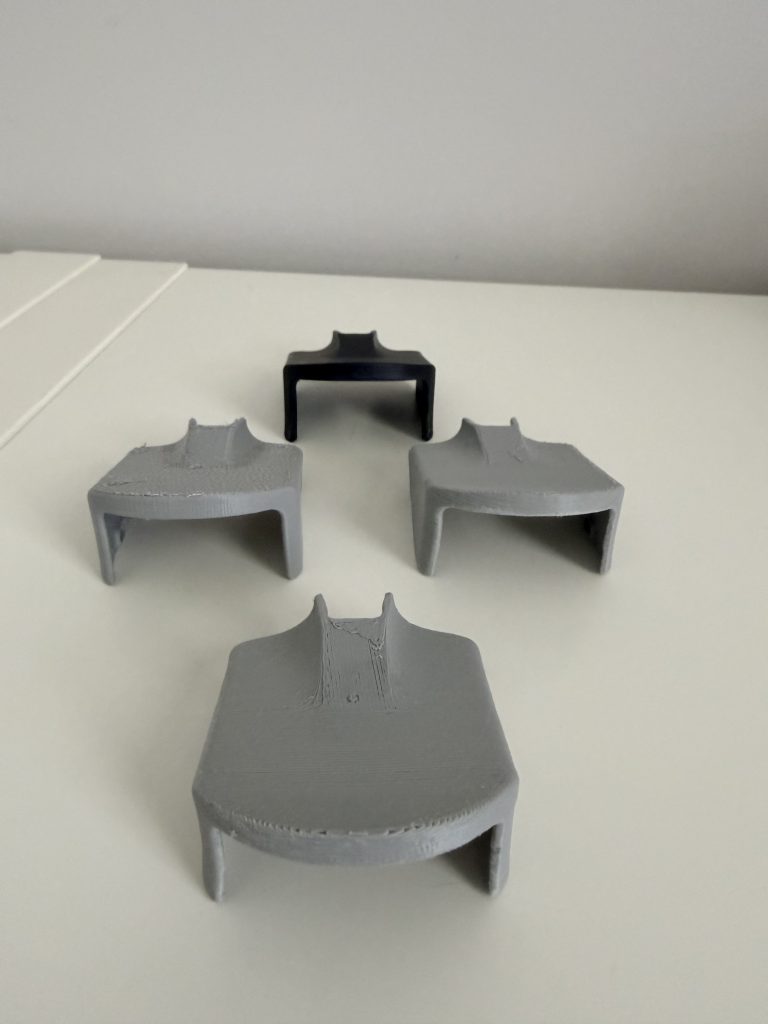
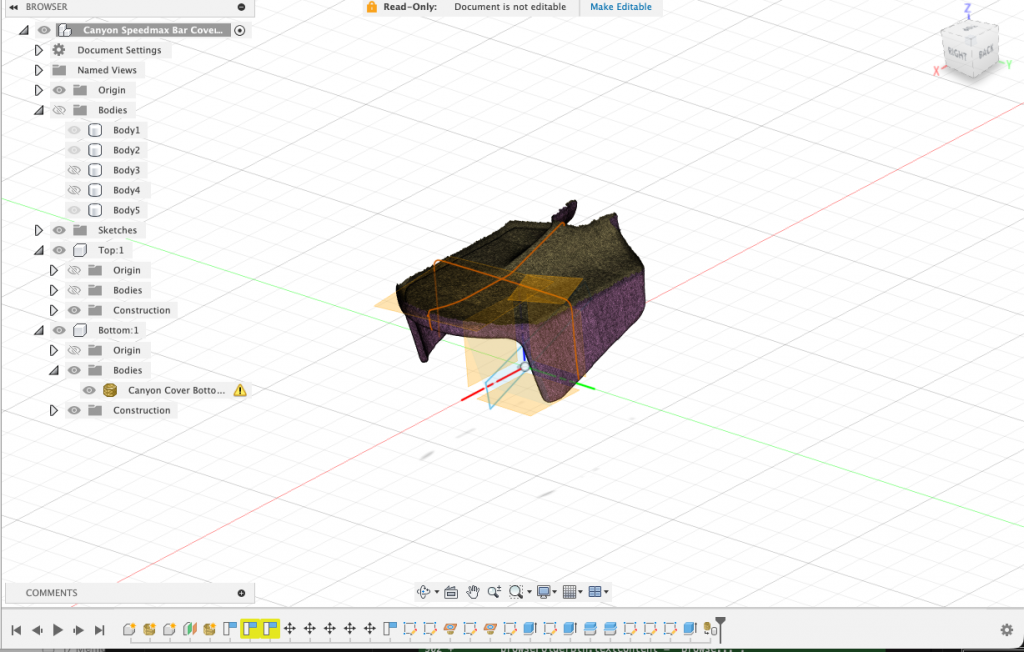
3D Scan to 3D Print due to a random online needing this cover and it is out of stock at Canyon. After doing so many of these reverse engineering projects as an unskilled hobbyist, you can see why the patent/IP system is so flawed and not founded on current technology and the advancement of manufacturing capabilities.
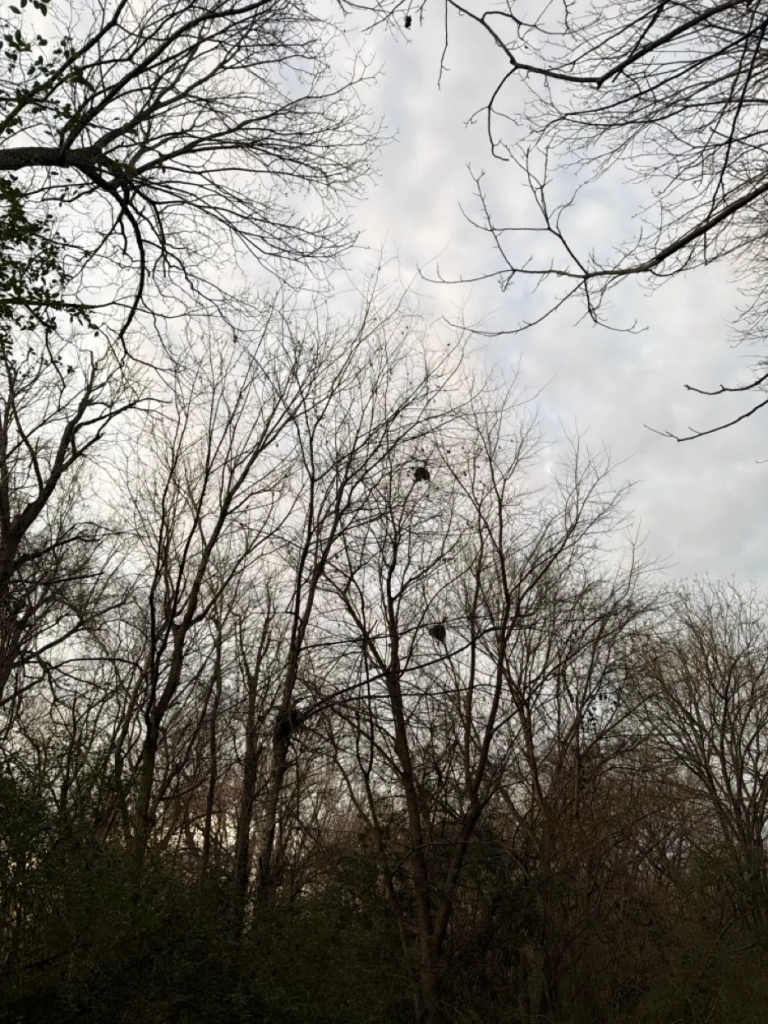
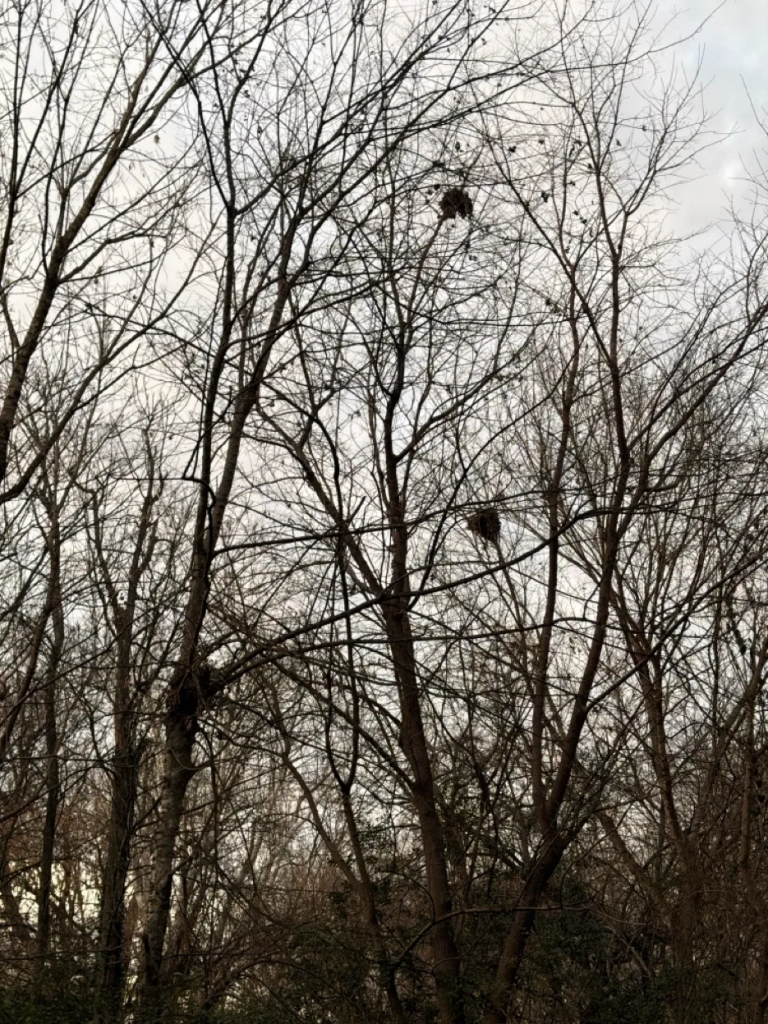
Squirrels nests are commonly known as “Dreys”. I have spent 20 odd years wondering what types of nests these were in the trees, and on a beautiful walk at Goat Island with the family, Claude helped to identify them 🙂
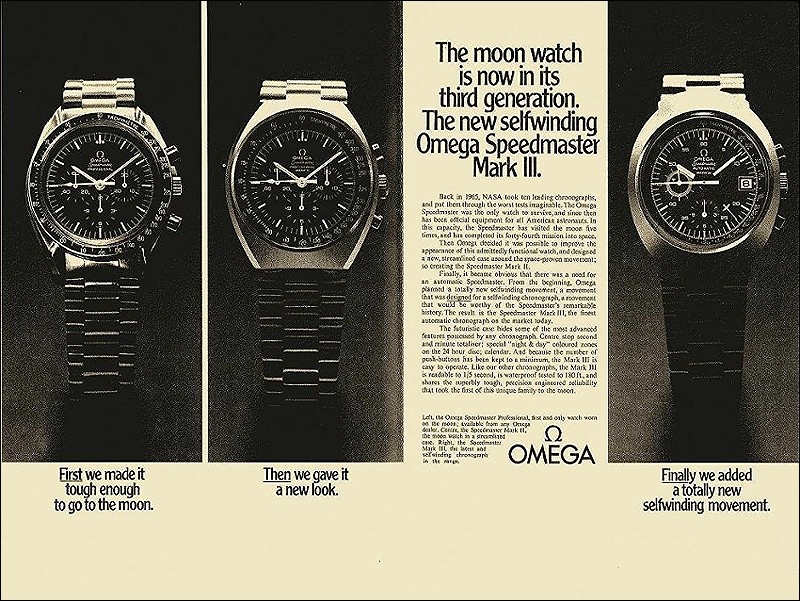
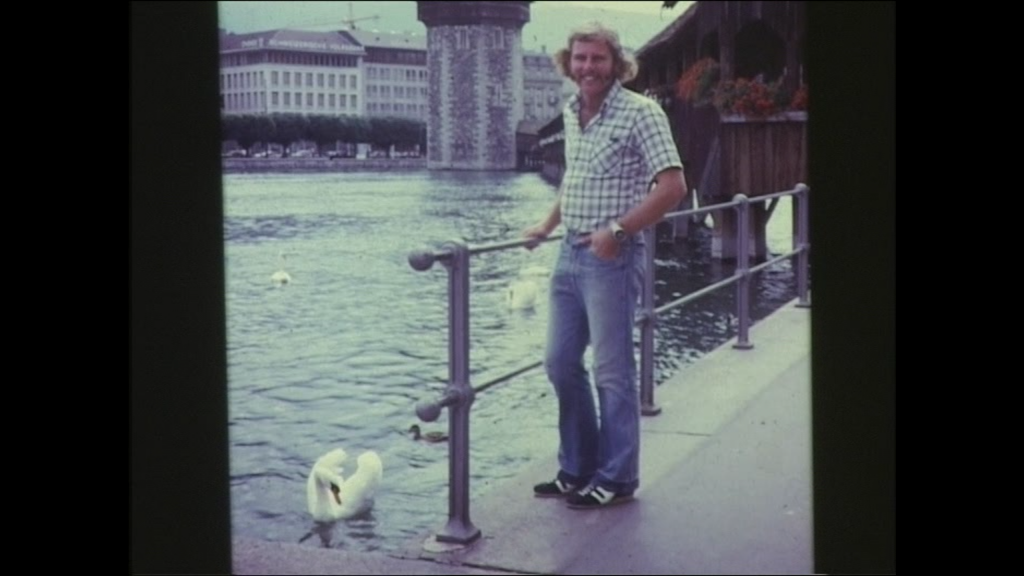
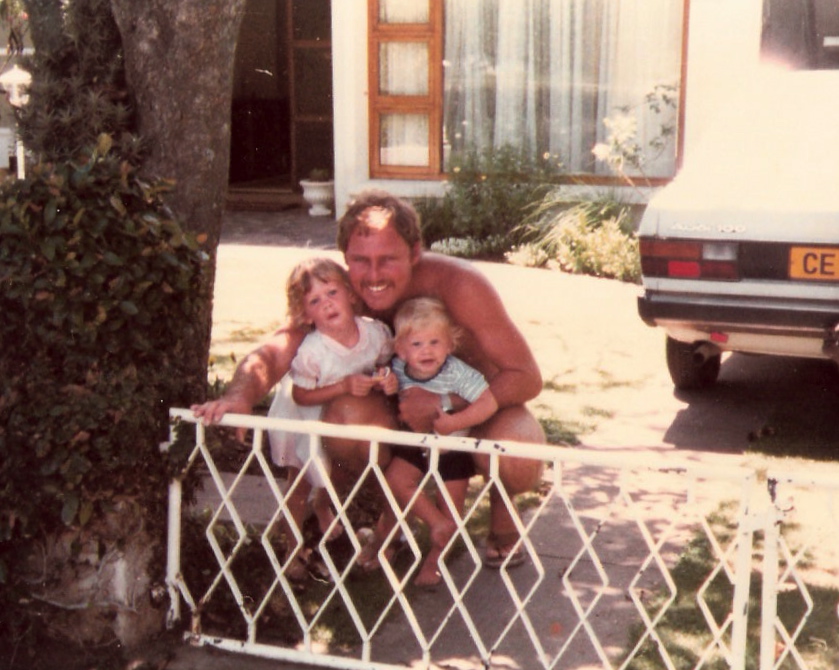
I wish I could call myself a collector, but at this stage it’s simply an enthusiast. This is slightly personal and sentimental, but in our home life my dad never wore his shirt, it was general always hot, muggy, beach like weather in East London and therefor slipslops (optional) and shorts outside of work were the norm. But there was one thing he did wear religiously, and that was his Omega Speedmaster Mark II.
He originally purchased it while in Switzerland in around 1973. He had it serviced once (that I can remember) because it kept getting moisture under the glass. When he passed away, I didnt want to ask for the watch, but it was always on my wish list. On my 40th birthday I purchased the same watch (Make/Model) as a keepsake and as a simple reminder. After a few years, my mom offered me the watch and I now have two 🙂 I wold like to “collect” more, and while I do also have my grandfathers Seiko and a few more cool watches, I would not call myself a horologist or collector just yet 🙂read more
The Peter Principle is a management concept formulated by Dr. Laurence J. Peter in his 1969 book “The Peter Principle: Why Things Always Go Wrong.”
The principle states: “In a hierarchy, every employee tends to rise to their level of incompetence.”
Employees who perform well in their current role get promoted They continue getting promoted as long as they perform well Eventually, they reach a position where they’re no longer competent Once incompetent, they stop getting promoted (they’ve “plateaued”) They remain in that position, performing poorly
This means that over time, every position in a hierarchy tends to be filled by someone incompetent to do that job. Peter observed: “In time, every post tends to be occupied by an employee who is incompetent to carry out its duties.” And therefore: “Work is accomplished by those employees who have not yet reached their level of incompetence.”
The key insight is that competence at one level doesn’t guarantee competence at the next level. For example:read more


























You must be logged in to post a comment.