

Personal collective of ideas, thoughts and notes
Open Source Stash
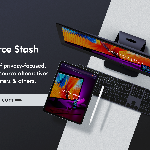
Discover the best open-source alternatives for tools you use everyday – be it for design marketing or more.
MTB Trip to Pisgah & DuPont


Learn chess tactics taught in plain English; the most complete body of instruction on the subject yet written.
Let’s say you’re a SaaS founder who’s looking to build a sales team for the first time. How do you structure quotas and compensation for the initial sales reps and their manager? Oftentimes, the biggest hurdle in hiring the first sales rep is not knowing how to incentivize them. This post provides simple rules that you can use to set up a sales team. Structured properly, the process is surprisingly mathematical.
Let’s start with the sales plan for an individual sales rep, or “account executive” (AE). The key elements of an AE sales plan are:
This sounds like a lot of variables, but two industry standards allow us to simplify greatly:
Jumping on the trainer bandwagon to start building some MTB fitness with a Wahoo Kickr and Sufferfest 🙂







| Languages | Javascript/Typescript |
| Frontend Frameworks | Angular, Bootstrap 4, WordPress |
| Backend Frameworks | Express |
| Build Systems | |
| Development Tools | Nodemon |
| Database | Postgres (AWS RDS) |
| Deployment | Shell scripts |
| Development | Github, VS Code, Posgres.app |
| Linting | ESLint |
| Testing | Puppeteer, Headless Chrome |
| 3rd Party | Google Services |
| Git Client | Sourcetree |
| HTTP Client | Postman |
| Source Code | Github |
| Infrastructure | Lightsail, AWS |
| Certs | Lets Encrypt |
| Domains | 1&1 |
| CLI Tools | htop, pm2, shell |
| SSH Client | Termius |
| SFTP | Filezilla |
| Monitoring | Sentry |
| AWS SES | |
| Email Templates | |
| UI Components | Envato Elements |
| Usage | Matomo |
| Marketing | ProductHunt, |
| Design | Dribbble, Adobe Behance, |
| Mockups | Sketch, Photoshop |
| Photo Editing | Photoshop |
| Vector Design/Editing | Illustrator |
| Icons | Envato Elements |
| Photos | Unsplash |
| Color Palettes | |
| Issue Management | Github Issues |
| Knowledge base | Github Wiki |
| Payment Processing | Stripe |
| Chat Support |


You must be logged in to post a comment.